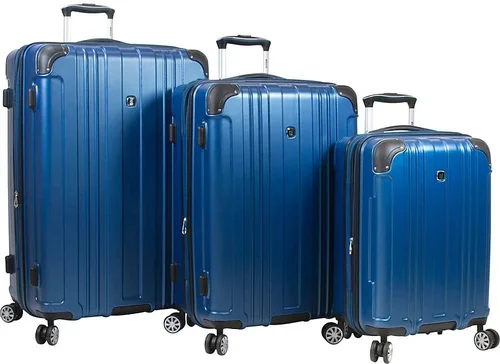
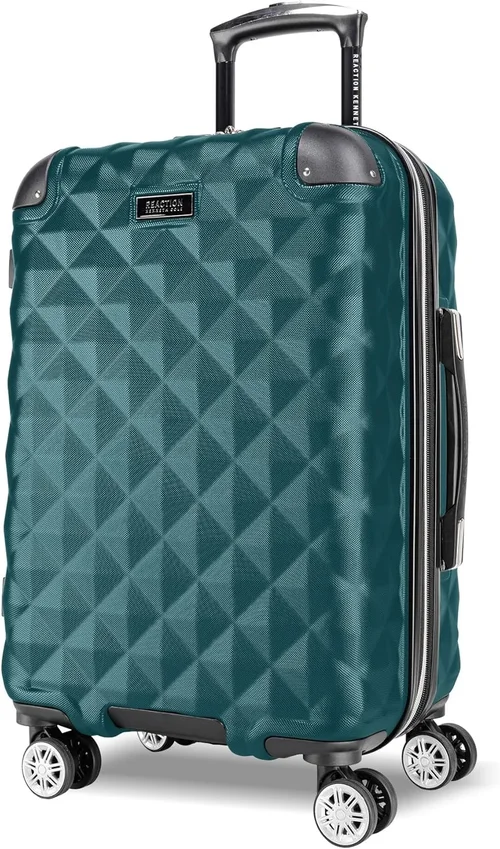
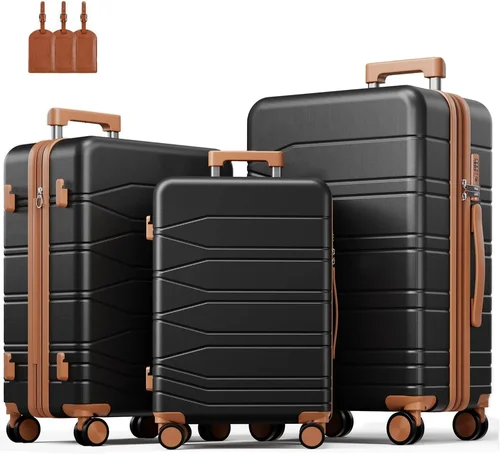
Traveling light doesn’t mean traveling empty-handed—especially when you’ve got the right expandable carry-on luggage by your side. Whether you’re a frequent flyer, a weekend warrior, or someone who simply values efficiency and flexibility on the go, choosing the perfect expandable carry-on can make or break your travel experience. With airlines tightening size restrictions, passengers demanding more storage, and innovation constantly reshaping the luggage landscape, it’s more important than ever to make an informed decision.
This comprehensive guide is designed to cut through the noise and help you navigate the crowded market of expandable carry-ons with confidence. You’ll learn how to evaluate critical factors like size compliance, build quality, expansion mechanisms, wheel performance, and organizational features—all while staying within your budget. We’ll also explore different types of expandable luggage, highlight common pitfalls to avoid, and share expert-backed tips to ensure you get the best value for your investment. By the end, you won’t just know what to buy—you’ll understand why it matters.
The expandable carry-on segment has exploded in popularity over the past decade, driven by travelers’ desire for versatility without sacrificing portability. From sleek polycarbonate shells to rugged ballistic nylon duffels, today’s options blend form, function, and innovation in ways that would’ve seemed futuristic just a few years ago. Brands like Samsonite, Away, Travelpro, and Rimowa have raised the bar, while newer entrants like Monos and July have disrupted the space with minimalist designs and smart features. But with so many choices—and so many claims about “best-in-class” performance—it’s easy to feel overwhelmed. That’s where this guide comes in: to arm you with the knowledge, comparisons, and real-world insights needed to choose wisely.

What to Look for When Buying Expandable Carry-On Luggage
1. Size Compliance & Airline Regulations
One of the most critical—and often overlooked—aspects of buying expandable carry-on luggage is ensuring it meets airline size requirements, both in its standard and expanded states. Most major U.S. airlines (including Delta, United, American, and Southwest) enforce a maximum linear dimension of 45 inches (length + width + height), with typical dimensions hovering around 22″ x 14″ x 9″. However, international carriers like Lufthansa, British Airways, and Emirates may have slightly different limits, sometimes as low as 21.5″ x 13.5″ x 8.5″.
Expandable carry-ons typically add 1.5 to 3 inches of depth when unzipped, which can push your bag over the limit if you’re not careful. Always check the manufacturer’s stated dimensions for both compressed and expanded modes. Some brands even provide airline-specific compatibility charts—look for these when available. A bag that fits in overhead bins on domestic flights might not clear customs on European routes, so consider your most common destinations.
2. Expansion Mechanism & Usability
Not all expansion systems are created equal. The two primary types are zipper-based expansion (most common) and telescoping panel systems (found in higher-end models). Zipper expansions usually involve a secondary zipper that, when unzipped, reveals an extra gusset or pleated section that adds depth. These are reliable, cost-effective, and easy to use—but they can sometimes create uneven pressure on the main zipper, leading to wear over time.
Telescoping or “accordion-style” expansions, often seen in premium brands like Tumi or Briggs & Riley, use reinforced panels that slide outward smoothly. These offer more consistent structural support and reduce stress on zippers, but they tend to be heavier and more expensive. When testing expansion, pay attention to how smoothly the mechanism operates—does it require excessive force? Does the bag remain stable when expanded? Also, consider whether you’ll realistically use the extra space: if you rarely pack beyond baseline capacity, a simpler non-expandable model might serve you better.
3. Build Quality & Durability
Your carry-on isn’t just a container—it’s a travel companion that endures rough handling, temperature swings, and constant movement. Durability starts with materials. Hard-shell options like polycarbonate (used by Away and Samsonite) offer excellent impact resistance and a sleek look, but can crack under extreme pressure. ABS plastic is lighter and cheaper but less resilient. For soft-sided bags, ballistic nylon (Tumi) and Cordura fabric (Travelpro) provide superior abrasion resistance, while polyester blends are more affordable but wear faster.
Reinforced corners, double-stitched seams, and YKK zippers are hallmarks of quality construction. Look for riveted or welded attachment points for handles and wheels—these prevent tearing during heavy use. Also, inspect the interior lining: high-quality linings resist tearing and often include moisture-resistant coatings. A well-built bag should feel solid yet lightweight, with no loose threads, misaligned panels, or wobbly components.
4. Wheel System & Maneuverability
The wheels are arguably the most important moving part of your luggage. Most modern carry-ons use 360-degree spinner wheels, which allow effortless multidirectional movement—ideal for navigating crowded terminals, tight airplane aisles, and cobblestone streets. However, not all spinners are equal. High-quality wheels are typically made from polyurethane or rubberized compounds that absorb shock, reduce noise, and resist flat spots.
Pay attention to wheel size and placement. Larger wheels (around 2–2.5 inches in diameter) roll more smoothly over obstacles, while smaller ones may struggle on uneven surfaces. Also, check if the wheels are recessed into the frame—this protects them from impacts and reduces the risk of snagging. Some premium models feature suspension systems or dual-wheel designs for added stability. Test the rolling action in-store if possible: a good spinner should glide with minimal effort and track straight without veering.
5. Handle Design & Ergonomics
A poorly designed handle can turn a short walk through the airport into an arm workout. Telescoping handles should extend smoothly and lock securely at multiple heights (ideally three or more settings). Look for handles with soft-grip coatings or ergonomic contours that reduce hand fatigue. The internal mechanism should be sturdy—preferably aluminum or reinforced steel—and resistant to jamming or wobbling.
Some bags include additional top and side handles for lifting into overhead bins or carrying briefly. These should be padded and securely attached. Avoid bags with flimsy or thin handles, as they’re prone to breaking under load. Also, consider the handle’s retraction: does it sit flush against the shell when collapsed? A protruding handle can catch on conveyor belts or other luggage.
6. Interior Organization & Compartmentalization
Smart organization can save time, reduce wrinkles, and prevent lost items. Look for interiors with zippered compartments, compression straps, mesh pockets, and garment folders. High-end models often include removable laundry bags, shoe pockets, or tech sleeves. Compression systems—usually elastic or buckle straps—help secure clothing and maximize space, especially when the bag is expanded.
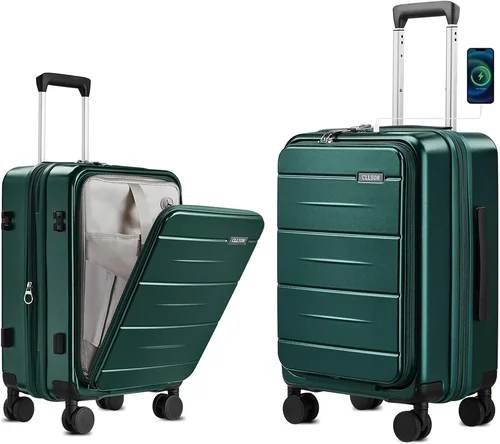
Some brands integrate tech-friendly features like built-in USB ports (with external battery packs), RFID-blocking pockets, or detachable toiletry kits. While convenient, these add-ons can increase cost and complexity. Evaluate whether you’ll actually use them. For business travelers, a dedicated laptop sleeve (15–17 inches) is essential. Leisure travelers might prefer flexible packing cubes that adapt to changing needs.
7. Weight & Portability
Every ounce counts when you’re carrying your bag through terminals or lifting it into overhead bins. Lightweight construction is a major selling point, but it shouldn’t come at the expense of durability. Polycarbonate shells typically weigh between 6.5 and 8.5 pounds, while soft-sided bags can be as light as 5 pounds. Heavier materials like aluminum (Rimowa) offer premium feel and protection but can exceed 10 pounds—cutting into your personal item allowance.
Consider your physical ability and travel style. If you frequently navigate stairs, escalators, or public transit, a lighter bag reduces strain. However, if you prioritize protection for fragile items (cameras, glassware), a slightly heavier hard shell may be worth the trade-off. Always check the empty weight listed by the manufacturer—don’t rely on vague terms like “ultra-light.”
8. Security Features
Protecting your belongings starts with reliable locking mechanisms. TSA-approved combination locks allow security agents to inspect your bag without damaging it—a must for U.S. travel. Some bags include built-in locks, while others require aftermarket purchases. Look for models with recessed or hidden zippers, which deter casual theft.
Advanced security features include GPS tracking (via Bluetooth tags like Apple AirTag compatibility), tamper-evident seals, or slash-resistant fabrics. While not essential for every traveler, these can provide peace of mind, especially on long layovers or in high-risk areas. Remember: no lock is foolproof, but layered security (lock + tracking + awareness) significantly reduces risk.
9. Brand Reputation & Customer Support
Established brands often invest more in R&D, quality control, and post-purchase support. Companies like Samsonite, Travelpro, and Tumi have decades of experience and global service networks. Newer DTC (direct-to-consumer) brands like Away and Monos offer competitive pricing and modern designs but may have limited repair options or slower response times.
Research customer service policies: how easy is it to contact support? Do they offer live chat, phone, or email? Check forums and review sites for patterns in complaints—repeated issues with zippers, wheels, or warranty claims are red flags. A strong reputation isn’t just about marketing—it’s about consistency, transparency, and standing behind their products.
10. Warranty & Return Policy
A generous warranty is a strong indicator of a brand’s confidence in its product. Look for at least a 5-year limited warranty, with some premium brands offering lifetime coverage (e.g., Briggs & Riley’s “Simple As That” guarantee). Understand what’s covered: manufacturing defects, broken zippers, wheel failures, or handle malfunctions. Exclusions often include normal wear, damage from misuse, or cosmetic scratches.
Return policies matter too—especially for online purchases. A 30- to 60-day trial period allows you to test the bag in real-world conditions. Some retailers (like Nordstrom or REI) offer extended returns or in-store exchanges. Avoid brands with restocking fees or short return windows unless you’re certain about your choice.
Different Types of Expandable Carry-On Luggage

Common Buying Mistakes to Avoid

❌ Mistake: Ignoring Expanded Dimensions
Why it’s bad: Many travelers assume their bag will always fit in the overhead bin—until they unzip the expansion and suddenly exceed airline limits. This can lead to forced checking, fees, and delays.
What to do instead: Always verify both compressed and expanded dimensions. Use airline sizers or online dimension calculators. If in doubt, choose a bag with modest expansion (1.5–2 inches) rather than aggressive 3-inch models.
❌ Mistake: Prioritizing Looks Over Function
Why it’s bad: A stylish bag with flimsy wheels or a weak handle will frustrate you within weeks. Aesthetics fade; functionality lasts.
What to do instead: Test the bag in person if possible. Roll it, lift it, open and close zippers, and simulate packing. Choose design elements that enhance usability—like color-coded zippers or reflective strips—not just visual flair.
❌ Mistake: Overlooking Weight When Empty
Why it’s bad: A heavy bag leaves less room for your belongings before hitting weight limits. On budget airlines with strict carry-on weight policies (e.g., Ryanair), this can be costly.
What to do instead: Compare empty weights across models. Aim for under 8 pounds for hard shells and under 6 pounds for soft-sided bags. Every ounce saved is cargo space earned.
❌ Mistake: Skipping the Warranty Fine Print
Why it’s bad: A “lifetime warranty” might only cover specific parts or require you to pay shipping for repairs. Some brands void coverage if you use third-party locks.
What to do instead: Read the full warranty terms. Note exclusions, claim procedures, and whether repairs are offered locally or require shipping to a central facility.
❌ Mistake: Buying Based Solely on Price
Why it’s bad: The cheapest bag often costs more in the long run due to premature failure. Conversely, the most expensive isn’t always the best fit for your needs.
What to do instead: Balance cost with expected lifespan and usage frequency. A $200 bag that lasts 5 years is better value than a $100 bag that breaks in 18 months.
❌ Mistake: Neglecting Wheel Quality
Why it’s bad: Cheap wheels wear out quickly, become noisy, or seize up—turning a smooth glide into a dragging nightmare.
What to do instead: Inspect wheel material and mounting. Polyurethane wheels with sealed bearings offer the best longevity. Avoid plastic wheels on budget models.
❌ Mistake: Forgetting About Return Policies
Why it’s bad: Online purchases can’t be tested beforehand. If the bag doesn’t meet expectations, a restrictive return policy leaves you stuck.
What to do instead: Buy from retailers with generous return windows (30+ days) and free return shipping. Check if in-store returns are available for online orders.
Budget Guidelines: How Much Should You Spend?
- Entry-Level ($50–$120): Ideal for occasional travelers or students. Expect basic polyester construction, standard zippers, and minimal features. Brands like American Tourister or Rockland offer decent value here, but durability may be limited. Expansion is usually present but less refined.
- Mid-Range ($120–$250): The sweet spot for most buyers. You’ll find polycarbonate shells, better wheels, improved organization, and reliable warranties. Brands like Samsonite Omni, Travelpro Platinum Elite, and Monos fall here. These bags balance cost, quality, and functionality.
- Premium ($250–$500): For frequent flyers and professionals who demand performance. Expect premium materials (ballistic nylon, reinforced polycarbonate), advanced expansion systems, TSA locks, and superior ergonomics. Tumi Alpha 3, Briggs & Riley Baseline, and Away Bigger Carry-On are standout options.
- Luxury ($500+): Reserved for collectors, executives, or those who view luggage as a long-term investment. Aluminum frames (Rimowa Classic), hand-stitched leather accents, and bespoke customization define this tier. While stunning, these bags are heavy and may not suit all travelers.
Expert Tips for Getting the Best Deal
- Shop during off-peak seasons: Luggage sales spike before summer and holiday travel. Buy in January–March or September–October for discounts up to 40%.
- Use price-tracking tools: Set alerts on Google Shopping, Honey, or CamelCamelCamel (for Amazon) to catch price drops on your wishlist items.
- Check outlet stores and warehouse clubs: Costco, Sam’s Club, and brand outlets (e.g., Samsonite Factory Store) often carry last-season models at steep discounts.
- Bundle with travel accessories: Some retailers offer free packing cubes, toiletry kits, or luggage tags with purchase—adding value without extra cost.
- Read verified buyer reviews: Focus on reviews with photos and detailed experiences. Look for patterns in complaints (e.g., “zipper broke after 3 trips”).
- Test in-store before buying online: Visit a department store to handle bags physically, then compare prices online for the best deal.
- Consider refurbished or open-box items: Certified pre-owned luggage from reputable sellers can save 20–30% with full warranty coverage.
- Negotiate with customer service: If you find a lower price elsewhere, some brands (like Away or Monos) will match it—just ask!

Frequently Asked Questions
Q: Can I bring an expandable carry-on on every flight?
A: Not necessarily. While most U.S. airlines allow standard carry-ons (22″ x 14″ x 9″), expanded dimensions may exceed limits. Always check your airline’s policy and measure your bag in both states. International flights are stricter—when in doubt, compress the expansion before boarding.
Q: Is hard-shell or soft-sided better for expandable luggage?
A: It depends on your priorities. Hard-shell offers better protection and a modern look but can be heavier and less flexible. Soft-sided bags are lighter, compress more easily, and often have better pocket organization. For expansion, soft-sided models typically add depth more seamlessly.
Q: How much extra space does expansion usually add?
A: Most expandable carry-ons add 1.5 to 3 inches of depth. This translates to roughly 10–20% more packing capacity—enough for a few extra outfits, souvenirs, or bulky items like shoes.
Q: Do expandable bags count as personal items or carry-ons?
A: As long as they meet standard carry-on尺寸 requirements when compressed, they’re treated as carry-ons. However, if expanded, they may no longer qualify for overhead bin placement and could be checked.
Q: Can I use an expandable carry-on for international travel?
A: Yes, but research destination-specific rules. Some European and Asian airlines have tighter尺寸 limits. A bag that fits on Delta might not on Air France. Choose a model with conservative expansion if you travel globally.
Q: Are spinner wheels better than two-wheel designs?
A: Spinners offer superior maneuverability in tight spaces and reduce strain, but they can be less stable on uneven terrain. Two-wheel “roller” bags are more durable for rough surfaces but require tilting. For urban travel, spinners win; for cobblestones or gravel, consider two-wheelers.
Q: How do I maintain my expandable carry-on?
A: Clean the exterior with a damp cloth and mild soap. Lubricate zippers occasionally with wax or silicone spray. Store the bag compressed to preserve the expansion mechanism. Avoid overpacking, which stresses seams and zippers.
Q: What’s the average lifespan of a quality expandable carry-on?
A: With proper care, a mid-to-premium bag should last 5–10 years. Frequent travelers may see wear sooner, especially on wheels and handles. Look for brands with repair services to extend usability.
Q: Can I track my expandable carry-on if it gets lost?
A: Yes—use Bluetooth trackers like Apple AirTag, Tile, or Samsung SmartTag. Place one inside a zippered compartment. Note that GPS trackers require cellular service and aren’t foolproof, but they significantly improve recovery odds.
Q: Are there eco-friendly expandable carry-on options?
A: Yes. Brands like Patagonia, EcoSmart, and July use recycled materials (rPET, ocean-bound plastics) and sustainable manufacturing. Look for certifications like Bluesign or B Corp status.
Our Final Recommendations
- Best for Budget-Conscious Buyers: Samsonite Winfield 3 DLX – Reliable polycarbonate shell, smooth spinners, and 2-inch expansion at under $150. Great for occasional travelers.
- Best Overall Value: Monos Carry-On – Sleek design, lightweight (7.3 lbs), 2-inch expansion, and excellent customer service. Priced around $220, it outperforms many pricier competitors.
- Best Premium Option: Briggs & Riley Baseline Domestic Carry-On Expandable – Lifetime warranty, CX compression-expansion tech, and rugged construction. Ideal for business travelers who need durability and smart features.
- Best for Beginners: Travelpro Platinum Elite 21” Expandable – Designed by flight attendants, with PowerScope handle, Duraguard coating, and thoughtful interior layout. Easy to use and highly functional.
- Best for Advanced Users: Tumi Alpha 3 International Expandable – Ballistic nylon, patented expansion system, and modular accessories. Perfect for globetrotters who demand precision and prestige.
Conclusion: Making the Right Choice
Choosing the right expandable carry-on luggage isn’t just about finding the biggest bag or the shiniest shell—it’s about aligning your purchase with your travel habits, physical needs, and long-term goals. From尺寸 compliance and wheel quality to warranty terms and expansion usability, every detail plays a role in your overall experience. By prioritizing durability over trends, functionality over flash, and value over vanity, you’ll invest in a travel companion that grows with you, trip after trip.
Remember: the best bag is the one you’ll actually use—and love—for years to come. Don’t rush the decision. Compare options, read real reviews, and test when possible. And when you do buy, treat it well: a little maintenance goes a long way in extending its life. Whether you’re jetting off for a weekend getaway or embarking on a month-long adventure, your expandable carry-on should be a trusted ally—not a source of stress.
So take what you’ve learned here, weigh your priorities, and make a choice that reflects your unique journey. Safe travels—and happy packing!