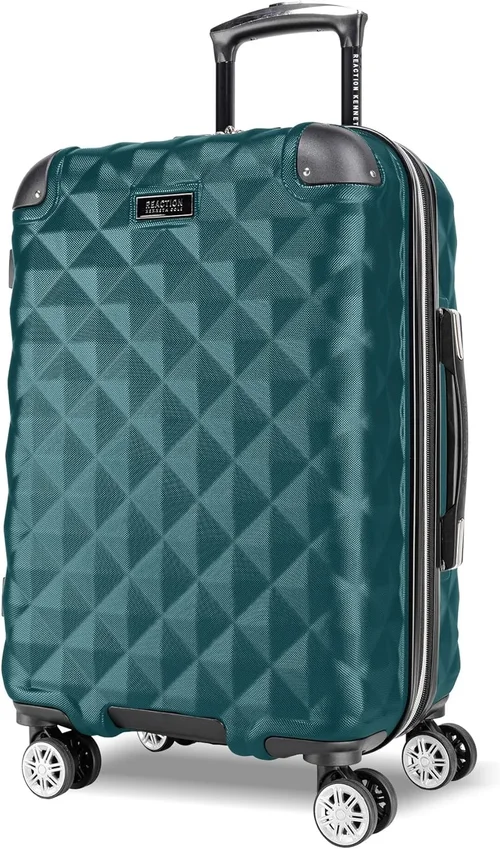
Traveling light doesn’t mean traveling empty—especially when you have the right carry-on luggage. For frequent flyers, weekend adventurers, and business travelers alike, a reliable carry-on is more than just a bag; it’s your mobile command center, wardrobe, and peace-of-mind all rolled into one compact package. But in today’s crowded luggage market, not all carry-ons are created equal. Enter expandable carry-on luggage—a smart innovation designed to give you extra packing space when you need it most, without sacrificing portability or airline compliance.
Expandable carry-on suitcases feature a zippered expansion panel that increases interior volume by 20–30%, allowing you to squeeze in last-minute souvenirs, extra layers for unpredictable weather, or that extra pair of shoes you just couldn’t leave behind. This flexibility makes them ideal for travelers who want the freedom to pack light—but with room to grow. Whether you’re hopping on a short domestic flight or embarking on a multi-city European tour, an expandable carry-on can adapt to your needs. Yet, with so many options flooding the market—from budget-friendly basics to high-end smart suitcases—it’s easy to feel overwhelmed. That’s where this guide comes in.
In this comprehensive buying guide, you’ll learn everything you need to know to choose the perfect expandable carry-on for your travel style. We’ll break down the key factors to consider—from size and weight to materials and smart features—and compare different types of expandable luggage so you can make an informed decision. You’ll also discover common pitfalls to avoid, budget guidelines to help you spend wisely, and expert tips to get the best value. By the end, you’ll have the confidence to pick a carry-on that’s not only functional and durable but also tailored to your unique needs. Whether you’re a minimalist packer or someone who likes to bring “just in case” items, this guide will help you find the ideal expandable carry-on that fits your life—and your luggage allowance.

What to Look for When Buying Expandable Carry-On Luggage
1. Size & Airline Compliance
The most critical factor when choosing any carry-on—especially an expandable one—is ensuring it meets airline size restrictions. Most major U.S. airlines (including Delta, American, United, and Southwest) allow carry-ons up to 22″ x 14″ x 9″ (linear inches: 45 total). However, international carriers like Ryanair, easyJet, and Lufthansa often enforce stricter limits—sometimes as small as 21.5″ x 15.7″ x 9.8″. An expandable suitcase must fit within these dimensions when not expanded. Once you unzip the expansion panel, the bag will exceed standard limits and may need to be checked at the gate—defeating the purpose of a carry-on.
Look for models labeled “FAA-compliant” or “IATA-approved,” which are designed to meet the most common international standards. Many brands now offer “slim” or “ultra-compact” versions of their expandable lines specifically for this reason. For example, the Away Carry-On Expandable measures 21.7″ x 13.7″ x 9″ unexpanded—just under the typical limit—and expands to 23.5″ in height. Always double-check the manufacturer’s stated dimensions, not just the product name. A few extra inches can mean the difference between boarding with your bag or paying a last-minute checked baggage fee.
2. Weight & Portability
Every ounce counts when you’re navigating crowded terminals, climbing stairs, or lifting your bag into an overhead bin. A heavy empty suitcase leaves less room for your belongings and increases fatigue. Most quality expandable carry-ons weigh between 6.5 and 8.5 pounds. Premium models using lightweight polycarbonate or advanced nylon composites can dip below 6 pounds, while heavier hardshells or those with reinforced frames may tip the scales at 9+ pounds.
Portability isn’t just about weight—it’s also about ergonomics. Look for a telescoping handle with multiple height settings (at least two, preferably three or four) that locks securely and glides smoothly. The handle should be made of durable aluminum or steel, not flimsy plastic. Test the grip comfort if possible—some handles are padded, while others are bare metal. Additionally, consider the placement of top and side handles. Reinforced side handles make it easier to lift the bag from the carousel or slide it under a seat, while a sturdy top handle aids in maneuvering through tight spaces.
Wheels are another crucial portability feature. Opt for 360-degree spinner wheels (four wheels) over two-wheel designs for better maneuverability in all directions. High-quality polyurethane or rubber wheels roll quietly and resist wear. Avoid cheap plastic wheels—they crack easily and create noise. Some premium models even feature shock-absorbing or self-lubricating wheels for smoother movement over uneven surfaces like cobblestones or airport carpets.
3. Build Quality & Durability
Your carry-on is subjected to rough handling—being tossed into bins, dragged across pavement, and stacked under other bags. Durability ensures your investment lasts for years, not just one trip. Two primary materials dominate the market: hardshell (polycarbonate, ABS, or aluminum) and softshell (nylon, polyester, or ballistic fabric).
Hardshell suitcases offer superior protection for fragile items and resist punctures, but they can crack under extreme pressure. Polycarbonate is the gold standard—lightweight, flexible, and impact-resistant. ABS is cheaper but more prone to cracking. Aluminum shells (like those from Rimowa) are ultra-durable and sleek but heavy and expensive. Softshell bags, typically made from ripstop nylon or polyester, are lighter and more flexible, absorbing impacts better. They’re also less likely to scratch or dent, though they offer less structural protection.
Pay attention to seam construction, zipper quality, and corner reinforcements. Look for double-stitched seams, YKK or equivalent heavy-duty zippers, and reinforced corners with plastic or metal caps. The expansion zipper should be equally robust—some cheaper models use flimsy zippers that break after a few uses. Test the zipper action: it should glide smoothly without catching. Also, check the interior lining—it should be tear-resistant and easy to clean.
4. Expansion Mechanism & Capacity
The core appeal of expandable carry-ons is their ability to increase capacity on demand. But not all expansion systems are created equal. The most common type is a zippered gusset that adds 2–3 inches of depth when unzipped. This typically increases volume by 20–30%, turning a 35-liter bag into a 42–45 liter one. Some brands use a “floating” expansion panel that allows even more flexibility, while others integrate a secondary compartment that unfolds.
When evaluating expansion, consider how it affects organization. Does unzipping the panel disrupt internal compartments? Does it make the bag harder to close or less stable when upright? High-quality models maintain structural integrity even when expanded. Look for bags with a secure zipper pull or lockable expansion zipper to prevent accidental opening. Also, check if the expansion adds usable space or just bulk—some designs create awkward bulges that don’t actually help with packing.
Capacity is measured in liters, but real-world usability matters more. A 40-liter bag might hold more than a 42-liter one depending on compartment layout. For reference, a standard non-expandable carry-on holds about 30–35 liters. Expandable versions range from 35–45 liters when expanded. Weekend trips typically require 30–35 liters; week-long trips may need 40+. Always pack a test load to see how the space feels.
5. Organization & Interior Features
A well-organized interior saves time, reduces wrinkles, and maximizes space. Look for a suitcase with multiple compartments, compression straps, and smart storage solutions. Most expandable carry-ons include a main compartment with elastic straps to secure clothing, a zippered mesh divider, and a front pocket or lid compartment for accessories.
High-end models offer advanced features like removable laundry bags, shoe pockets, tech sleeves, and compression panels that reduce bulk. Some include built-in garment folders for suits or dresses—ideal for business travelers. Others have zippered pockets on the exterior for quick access to passports, chargers, or snacks. Consider your packing style: do you prefer everything zipped away, or do you like open, flexible space?
Compression systems are especially valuable in expandable bags. After expanding, clothes can shift and create gaps. Look for dual compression straps or a zippered compression panel that lets you cinch down contents, reducing wrinkles and freeing up space. Some brands, like Samsonite and Travelpro, use “Smart Fix” or “FlexPack” systems that allow you to pack in one section and compress into another.
6. Security Features
Your carry-on holds valuables—laptops, jewelry, medications, and travel documents. Security features help protect your belongings from theft and tampering. The most basic feature is a TSA-approved combination lock. These locks allow Transportation Security Administration agents to open and inspect your bag without damaging the lock. Avoid non-TSA locks if you’re flying within the U.S.—they may be cut off during screening.
Some expandable carry-ons include built-in locks, while others have lockable zippers compatible with external padlocks. Look for models with recessed zippers, which are harder to cut or pick. Premium bags may offer RFID-blocking pockets to protect credit cards and passports from electronic theft. While not essential, these features add peace of mind, especially in high-traffic airports or shared accommodations.
Another security consideration is visibility. Brightly colored or uniquely patterned bags are easier to identify on the carousel and less likely to be accidentally taken. However, if you prefer subtlety, opt for a bag with a distinctive interior lining or a personalized luggage tag. Some brands offer monogramming or custom color options.
7. Brand Reputation & Warranty
Not all luggage brands are equal. Established names like Samsonite, Travelpro, Away, and Rimowa have decades of experience and rigorous testing standards. They invest in research, design, and customer support. Lesser-known brands may offer lower prices, but they often cut corners on materials, construction, or after-sales service.
Warranty is a strong indicator of quality. Most reputable brands offer at least a 5-year limited warranty, covering defects in materials and workmanship. Some, like Briggs & Riley, offer a “Simple As That” lifetime guarantee—even covering damage from airline handling. Read the fine print: many warranties exclude normal wear and tear, cosmetic damage, or damage from misuse. Register your product online to activate coverage.
Customer service matters too. If your zipper breaks or a wheel cracks, you want a brand that responds quickly and offers repair or replacement. Check online reviews for mentions of warranty claims and support responsiveness. Brands with U.S.-based service centers (like Travelpro and Samsonite) often provide faster turnaround than those relying on international partners.
8. Price & Value
Expandable carry-ons range from under $50 to over $600. While price doesn’t always equal quality, it often reflects materials, construction, and features. Budget models may use thin polyester, weak zippers, and minimal reinforcement. Mid-range bags ($150–$300) typically offer a good balance of durability, features, and design. Premium models ($300+) use advanced materials, innovative engineering, and superior craftsmanship.
Value isn’t just about the lowest price—it’s about cost per use. A $200 suitcase that lasts five years is a better investment than a $80 one that fails after two trips. Consider your travel frequency: occasional travelers may prioritize affordability, while frequent flyers should invest in durability. Also, factor in long-term savings—avoiding checked baggage fees, reducing replacement costs, and minimizing stress.
Look for sales during off-peak seasons (January–March, August–September) or major holidays (Black Friday, Prime Day). Sign up for brand newsletters to get early access to discounts. Some retailers, like REI or Backcountry, offer member discounts or price matching. Avoid “too good to be true” deals—extremely low prices often indicate counterfeit or substandard products.
Different Types of Expandable Carry-On Luggage

Common Buying Mistakes to Avoid

❌ Mistake: Ignoring Airline Size Restrictions
Why it’s bad: Buying a bag that’s too large—even when unexpanded—can result in forced checking at the gate, extra fees, and delays. Some airlines measure with rigid frames, and soft bags may not compress enough.
What to do instead: Always verify the exact dimensions (including wheels and handles) and compare them to your airline’s carry-on policy. When in doubt, choose a bag that’s slightly smaller than the maximum allowed size.
❌ Mistake: Prioritizing Looks Over Function
Why it’s bad: A stylish bag with weak zippers, flimsy wheels, or poor organization will frustrate you on every trip. Fashion shouldn’t compromise functionality.
What to do instead: Focus on build quality, wheel performance, and interior layout first. Choose a color or design you like, but never sacrifice durability or usability for aesthetics.
❌ Mistake: Overlooking Weight When Empty
Why it’s bad: A heavy suitcase leaves less room for your belongings and increases fatigue, especially when lifting into overhead bins or carrying up stairs.
What to do instead: Check the empty weight before buying. Aim for under 8 pounds for softshells and under 7.5 pounds for hardshells. Lighter bags give you more packing flexibility.
❌ Mistake: Assuming All Expansion Zippers Are Equal
Why it’s bad: Cheap expansion zippers break easily, jam, or come undone during transit, ruining your trip and potentially damaging your belongings.
What to do instead: Look for heavy-duty zippers from reputable brands like YKK. Test the zipper action in-store or read reviews that mention zipper durability.
❌ Mistake: Skipping the Warranty Check
Why it’s bad: Without a solid warranty, you’re on your own if the bag fails. Repair costs can exceed the price of a new suitcase.
What to do instead: Choose brands with at least a 5-year warranty. Read the terms carefully—some cover airline damage, others don’t. Register your product online to activate coverage.
❌ Mistake: Buying Based Solely on Price
Why it’s bad: The cheapest bag often costs more in the long run due to frequent replacements. Conversely, the most expensive bag may have features you’ll never use.
What to do instead: Evaluate cost per use. A $200 bag that lasts five years is better value than a $80 one that fails in two. Match features to your travel needs.
❌ Mistake: Not Testing the Handle and Wheels
Why it’s bad: A poorly designed handle or wobbly wheels make maneuvering difficult, especially in crowded airports or on uneven terrain.
What to do instead: If possible, test the bag in-store. Pull the handle to full extension, roll it on different surfaces, and check for smooth, quiet movement. Read reviews that mention wheel performance.
Budget Guidelines: How Much Should You Spend?
Entry-Level ($50 – $120): Ideal for occasional travelers or students. Expect basic softshell construction, lightweight polyester, and simple expansion zippers. Brands like American Tourister, Rockland, and AmazonBasics offer reliable options in this range. While they may lack premium features, they’re functional for short trips and budget-conscious buyers. Just be prepared for shorter lifespans and limited warranties (often 1–2 years).
Mid-Range ($120 – $300): The sweet spot for most travelers. These bags offer a balance of durability, features, and design. Look for reinforced corners, YKK zippers, 360-degree spinner wheels, and thoughtful interior organization. Brands like Samsonite, Travelpro, and eBags deliver excellent value here. Many include TSA locks, compression systems, and 5–10 year warranties. This range suits frequent flyers, business travelers, and families.
Premium ($300 – $500): For travelers who prioritize quality, innovation, and longevity. Expect high-grade polycarbonate hardshells, advanced softshell fabrics (like ballistic nylon), and smart features such as built-in USB ports, GPS tracking, or app connectivity. Brands like Away, Rimowa, and Briggs & Riley dominate this space. These bags are built to last decades, with lifetime or extensive warranties. Ideal for digital nomads, luxury travelers, and those who travel weekly.
Luxury ($500+): Top-tier craftsmanship and design. Think aluminum shells, hand-stitched leather accents, and bespoke customization. Rimowa, Tumi, and Globe-Trotter offer iconic styles with unparalleled durability and prestige. These are status symbols as much as travel tools—perfect for executives, collectors, or those who appreciate fine engineering. While overkill for casual trips, they’re investments in both function and form.

Expert Tips for Getting the Best Deal
- Buy during off-peak seasons: January–March and August–September are ideal times to shop. Airlines and retailers offer discounts to boost slow-season sales. Avoid peak travel months (June–July, December) when prices are highest.
- Sign up for brand newsletters: Many companies offer 10–15% off your first purchase. You’ll also get early access to sales, exclusive promotions, and new product launches.
- Check retailer return policies: Choose stores with generous return windows (30+ days) and free return shipping. This lets you test the bag at home and return it if it doesn’t meet expectations.
- Compare prices across platforms: Use price comparison tools or check Amazon, REI, Backcountry, and brand websites. Some retailers price-match, so don’t hesitate to ask.
- Look for bundle deals: Some brands offer discounts when you buy a carry-on with a personal item or checked bag. These can save $50–$100.
- Consider refurbished or open-box items: Certified pre-owned bags from reputable sellers often come with warranties and cost 20–40% less. Great for premium brands.
- Test in-store when possible: Visit a luggage store to feel the weight, test the wheels, and examine the zippers. Online reviews are helpful, but hands-on experience is invaluable.
- Prioritize warranty over flashy features: A lifetime warranty often matters more than a built-in USB port. Focus on long-term value, not short-term gimmicks.

Frequently Asked Questions
Q: Will an expandable carry-on fit in overhead bins when expanded?
A: No. When expanded, the bag exceeds standard carry-on dimensions and will likely need to be checked. Always keep it unexpanded during boarding. Use the extra space for souvenirs on the return trip.
Q: Are expandable carry-ons allowed on international flights?
A: Yes, as long as they meet the airline’s size requirements when not expanded. International carriers often have stricter limits, so verify dimensions with your specific airline before flying.
Q: Do expandable bags weigh more than regular carry-ons?
A: Slightly. The expansion zipper and gusset add a small amount of weight, but most quality models keep the difference minimal—usually under 0.5 pounds. The trade-off in capacity is worth it for most travelers.
Q: Can I lock an expandable carry-on?
A: Yes. Most have TSA-approved lockable zippers. Use a combination lock for security, but remember that TSA agents may need to inspect your bag.
Q: Are hardshell expandable bags more durable than softshell?
A: It depends. Hardshells resist punctures and protect fragile items better, but they can crack under impact. Softshells absorb shocks and are less likely to break, but offer less structural protection. Choose based on your travel needs.
Q: How much extra space does expansion typically add?
A: Most expandable carry-ons add 2–3 inches of depth, increasing volume by 20–30%. This is enough for a few extra outfits, shoes, or souvenirs.
Q: Are smart carry-ons worth the extra cost?
A: For tech-savvy travelers, yes. Features like built-in chargers, GPS tracking, and app alerts add convenience. However, they’re unnecessary for casual travelers and may have shorter lifespans due to electronic components.
Q: Can I use an expandable carry-on for train or bus travel?
A: Absolutely. Expandable bags are great for any mode of transport where space is limited. Just ensure it fits under seats or in overhead racks when expanded.
Q: How do I clean my expandable carry-on?
A: For softshells, wipe with a damp cloth and mild soap. For hardshells, use a soft cloth and non-abrasive cleaner. Avoid harsh chemicals. Clean zippers with a toothbrush to remove debris.
Q: What’s the best way to pack an expandable carry-on?
A: Pack heavy items at the bottom, use compression straps, and place delicate items in the center. Use the expansion for bulky or last-minute items. Roll clothes to save space and reduce wrinkles.
Our Final Recommendations
Best for Budget-Conscious Buyers: American Tourister Expandable Softside Carry-On – At under $100, this bag offers reliable performance, lightweight design, and a 5-year warranty. Great for occasional travelers who need functionality without frills.
Best Overall Value: Samsonite Winfield 3 DLX Expandable – Priced around $200, this hardshell suitcase combines durability, smooth spinner wheels, and a well-organized interior. It’s FAA-compliant, expands efficiently, and comes with a 10-year warranty.
Best Premium Option: Away The Carry-On Expandable – At $275, this sleek polycarbonate bag features a built-in battery, TSA lock, and lifetime warranty. Ideal for frequent flyers who value design and innovation.
Best for Beginners: Travelpro Platinum Elite 21” Expandable – Designed with input from flight crews, this softshell bag is lightweight, easy to maneuver, and packed with smart features like a suiter compartment and PowerScope handle.
Best for Advanced Users: Briggs & Riley Baseline Domestic Carry-On Expandable – At $450+, this is a lifetime investment. With a “Simple As That” lifetime guarantee, CX compression technology, and premium materials, it’s built for serious travelers.
Conclusion: Making the Right Choice
Choosing the right expandable carry-on luggage is about more than just picking a bag—it’s about selecting a travel companion that adapts to your lifestyle, protects your belongings, and makes every journey smoother. From size and weight to materials and smart features, the decisions you make now will impact your travel experience for years to come. By focusing on airline compliance, durability, and thoughtful design, you can avoid common pitfalls and invest in a suitcase that truly delivers value.
Remember, the best expandable carry-on isn’t necessarily the most expensive or the most feature-packed—it’s the one that fits your needs, your budget, and your travel habits. Whether you’re a weekend explorer, a business traveler, or a globetrotting adventurer, there’s a perfect bag out there for you. Use this guide to narrow your options, test your priorities, and make a confident choice.
Don’t rush the decision. Take your time, read reviews, compare models, and consider how each feature will serve you in real-world scenarios. And when you find the right one, treat it well—it’ll carry more than just your clothes; it’ll carry your memories, your confidence, and your love of travel. So pack smart, travel light, and expand your horizons—one zip at a time.