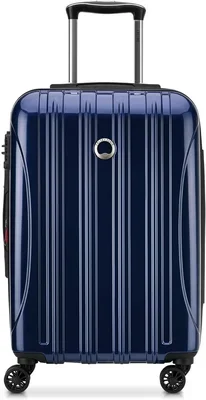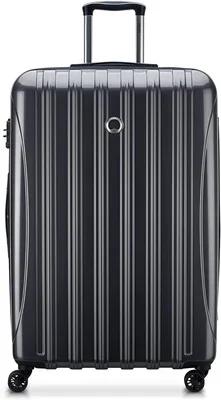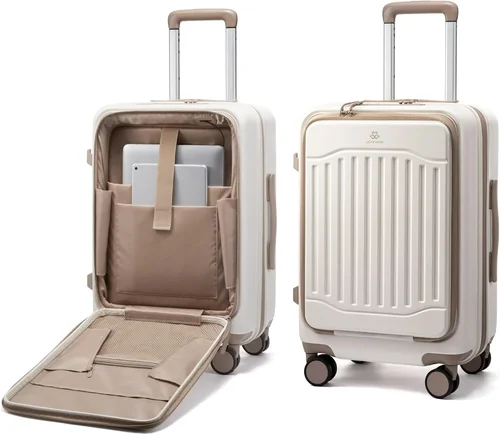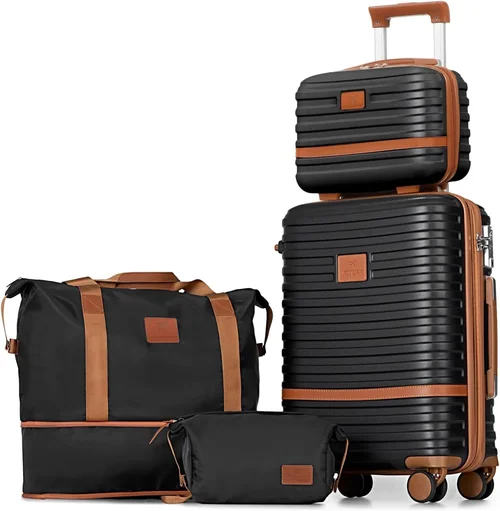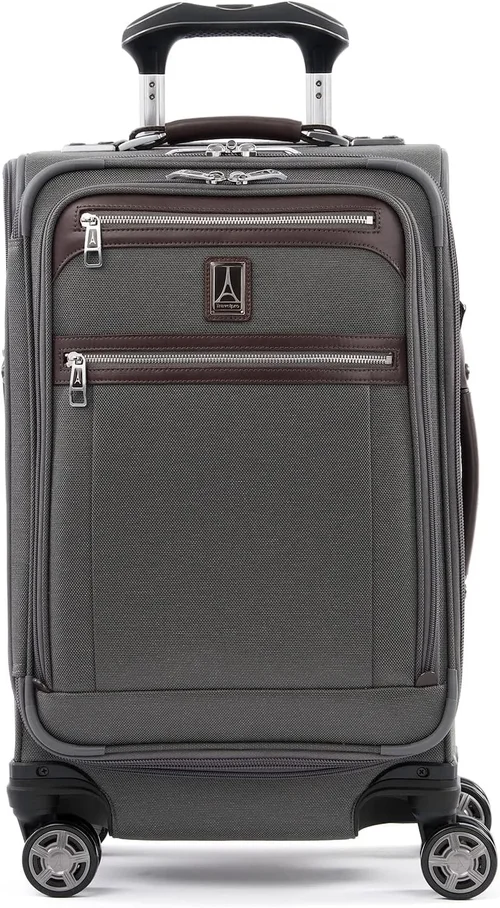
Traveling can be stressful—especially when you’re juggling business meetings, formal events, and tight flight connections. One of the most common challenges frequent travelers face is keeping suits and dress shirts wrinkle-free while staying within carry-on limits. That’s where expandable suiter luggage comes in: a smart, versatile solution designed to protect your professional wardrobe without sacrificing space or convenience.
This comprehensive buying guide is here to help you navigate the crowded market of carry-on expandable luggage with built-in suiter compartments. Whether you’re a corporate road warrior, a wedding guest hopping between destinations, or a minimalist traveler who refuses to check a bag, understanding what makes a great suiter bag can save you time, money, and frustration. We’ll break down every critical factor—from materials and construction to expansion mechanisms and garment preservation features—so you can make an informed decision that aligns with your travel style, budget, and needs.
The market for expandable suiter luggage has exploded in recent years, driven by rising airfare fees, stricter airline size restrictions, and a growing demand for efficient, multi-functional travel gear. Major brands like Samsonite, Travelpro, Briggs & Riley, and Away have all introduced models that blend sleek design with practical functionality. But not all suiter bags are created equal. Some prioritize style over substance; others offer impressive capacity but lack durability. Our goal is to cut through the marketing noise and give you the expert insights needed to choose a bag that truly performs under real-world conditions.

What to Look for When Buying Expandable Suiter Luggage
1. Suiter Compartment Design & Functionality
The heart of any suiter bag is its garment compartment—the specialized section designed to fold and secure dress clothes with minimal wrinkling. A well-engineered suiter should allow you to pack a full suit (jacket and pants) or multiple dress shirts without creasing the shoulders, lapels, or sleeves. Look for models that use a “fold-and-zip” system, where the garment panel folds over itself and is secured with internal straps or zippers. This creates a protective sandwich that keeps fabrics flat and prevents shifting during transit.
Pay close attention to the placement of the suiter compartment. Top-loading designs (where you open the bag from the top) are ideal for suiting because they let you lay garments flat and fold them neatly before zipping. Side-opening or clamshell styles may require more manipulation, increasing the risk of wrinkles. Also consider whether the suiter section is removable or convertible—some premium models let you detach the garment panel and use it as a standalone garment bag, which is perfect for short trips or airport layovers.
Another key feature is the presence of internal compression straps or cinching systems. These help tighten the folded garments, reducing movement and maintaining a crisp appearance. Some high-end bags even include moisture-resistant linings or anti-bacterial treatments to protect delicate fabrics like wool or silk.
2. Expansion Mechanism & Capacity Flexibility
One of the defining features of expandable luggage is its ability to increase storage volume when needed—typically by 20% to 30%. For suiter bags, this flexibility is crucial: you might need extra room for shoes, accessories, or last-minute additions, but still want to keep your formalwear protected in a dedicated zone.
Most expandable suiter bags use a zipper-based expansion system. When unzipped, a hidden gusset panel extends outward, adding depth to the main compartment. Look for a smooth, sturdy zipper that glides easily and doesn’t snag—cheaper models often use flimsy zippers that fail after a few trips. Premium options may feature dual zippers or reinforced pull tabs for added durability.
It’s also important to understand how expansion affects the suiter compartment. In some designs, expanding the bag stretches the garment section, potentially loosening the fold and causing wrinkles. Higher-quality models isolate the suiter zone so expansion only impacts the main packing area. Always check product specs or user reviews to see if the suiter remains intact when expanded.
Finally, consider your typical trip length. If you frequently travel for 3–5 days with one suit and casual wear, a moderately expandable bag (around 22–24 inches) should suffice. For longer trips or those requiring multiple outfits, look for models with deeper expansion capabilities—but ensure they still meet airline carry-on size limits when collapsed.
3. Build Quality & Durability
Luggage takes a beating: tossed into overhead bins, dragged across terminals, exposed to weather, and handled by baggage crews. A suiter bag must withstand this abuse while protecting your most valuable garments. Start by evaluating the shell material. Hard-sided options like polycarbonate (used by brands like Samsonite and Away) offer excellent impact resistance and a sleek, modern look, but can be heavier and less flexible. Soft-sided bags made from ballistic nylon or high-denier polyester (common in Travelpro and Briggs & Riley models) are lighter, more pliable, and often better at absorbing shocks—but may show scuffs more easily.
Check the quality of zippers, handles, and wheels. YKK or RiRi zippers are industry standards for reliability. Telescoping handles should extend smoothly and lock securely at multiple heights—look for aluminum construction rather than plastic. Spinner wheels (four multi-directional casters) provide superior maneuverability in crowded airports, but dual wheels (two fixed casters) are often more durable for rough surfaces. Test the wheel bearings: high-end models use sealed ball bearings that roll quietly and resist debris.
Stitching and seam reinforcement matter too. Double or triple stitching along stress points (like handle mounts and wheel housings) significantly extends lifespan. Some brands offer reinforced corners or protective bumpers to shield against drops and impacts. If you’re investing in a premium bag, consider models with lifetime warranties—they’re a strong indicator of manufacturer confidence in build quality.
4. Size, Weight & Airline Compliance
Carry-on luggage must adhere to strict dimensional limits set by airlines—typically 22″ x 14″ x 9″ (56 x 36 x 23 cm), including wheels and handles. However, these limits vary slightly by carrier (e.g., Delta allows 22 x 14 x 9, while United permits 22 x 14 x 9.5), so always verify before purchasing. Expandable suiter bags should comply when in the non-expanded state. Many manufacturers list both collapsed and expanded dimensions—make sure the former fits within standard limits.
Weight is equally important. A heavier empty bag leaves less room for your belongings before hitting the 10–15 lb carry-on weight limit many airlines enforce. Soft-sided suiter bags generally weigh less than hard-shell counterparts—expect 6–8 lbs for nylon models versus 8–10+ lbs for polycarbonate. If you travel light or fly budget airlines with strict weight policies, prioritize lightweight construction.
Don’t forget about handle clearance. Some bags have handles that protrude beyond the official dimensions when fully extended. Measure the total height with the handle up if possible, or look for models with recessed or flush-mounted handles. Also consider depth: a deeper bag may not fit in smaller overhead bins on regional jets, even if it meets linear inch requirements.
5. Organization & Interior Features
A well-organized interior makes packing efficient and reduces the risk of damage to delicate items. Beyond the suiter compartment, look for multiple zippered pockets, mesh dividers, and compression systems. Shoe pockets (ideally ventilated or removable) keep dirty soles away from clothes. Laundry or wet bag compartments are useful for separating damp gym clothes or swimwear.
Some suiter bags include tech-friendly features like padded laptop sleeves, RFID-blocking pockets, or USB charging ports (though these require external power banks). While convenient, avoid overloading your bag with gimmicks—focus on functionality that enhances your specific travel routine.
Compression straps in the main compartment help stabilize loose items and prevent shifting, which is especially important when the bag is partially full. Elasticized pockets or garment folders can keep smaller accessories (ties, belts, socks) neatly contained. Premium models may offer customizable dividers or modular packing cubes that integrate seamlessly with the bag’s layout.
6. Brand Reputation & Customer Support
Not all luggage brands are equal when it comes to reliability and service. Established names like Samsonite, Travelpro, and Briggs & Riley have decades of experience designing travel gear and often provide better long-term support. Travelpro, for instance, was founded by a former airline pilot and tailors its products to the needs of frequent flyers. Briggs & Riley is renowned for its lifetime guarantee and no-questions-asked repair policy.
Research customer service responsiveness. Can you easily reach a human representative? Are repairs handled domestically or shipped overseas? Do they offer replacement parts (wheels, handles, zippers)? Brands with strong U.S.-based support networks tend to resolve issues faster.
User communities and professional reviews (from sources like Wirecutter, Travel + Leisure, or frequent flyer forums) can reveal patterns in durability and performance. Pay attention to recurring complaints—e.g., zipper failures, wheel breakage, or suiter strap malfunctions—as these often indicate design flaws.
7. Warranty & Return Policy
A robust warranty is a strong signal of quality. Entry-level bags may offer 1–2 years of coverage, while premium brands often provide 5–10 years or even lifetime warranties. Briggs & Riley’s “Simple As That” guarantee, for example, covers any damage—even if caused by airlines—and includes free repairs or replacements.
Read the fine print: some warranties exclude “normal wear and tear” or require registration within a certain timeframe. Others only cover manufacturing defects, not accidental damage. If you travel frequently or check your bag occasionally, opt for comprehensive coverage.
Return policies matter too, especially when buying online. Look for retailers (like REI, Nordstrom, or Amazon) that offer extended return windows (30–120 days) and free return shipping. This gives you time to test the bag on a short trip and ensure it meets your expectations.
8. User Reviews & Real-World Performance
Spec sheets and marketing copy can only tell you so much. Real user reviews reveal how a bag performs under actual travel conditions—how it handles turbulence, fits in overhead bins, or withstands airport mishandling. Focus on verified purchase reviews from travelers with similar needs (e.g., business travelers, wedding guests).
Look for detailed feedback on specific features: Does the suiter truly prevent wrinkles? Does the expansion zipper jam? Are the wheels noisy on tile? Pay attention to long-term reviews (6+ months of use), as they highlight durability issues that don’t appear immediately.
Be cautious of overly positive or generic reviews—they may be incentivized or fake. Instead, seek balanced perspectives that mention both pros and cons. Forums like FlyerTalk or Reddit’s r/travel often have in-depth discussions comparing specific models.
Different Types of Expandable Suiter Luggage

Common Buying Mistakes to Avoid

❌ Mistake: Ignoring Airline Size Restrictions
Why it’s bad: Even if a bag is labeled “carry-on,” it may exceed limits when expanded or with handles extended. Getting gate-checked at the last minute adds stress and potential fees.
What to do instead: Always verify dimensions against your primary airline’s current policy. Use a tape measure on display models in-store, or check manufacturer specs for both collapsed and expanded sizes.
❌ Mistake: Prioritizing Style Over Function
Why it’s bad: A sleek hard-shell bag may look great but offer poor wrinkle protection or limited organization. Fashion-focused designs often sacrifice practical features.
What to do instead: Focus on suiter functionality first—test how easily you can fold and secure a suit. Choose style elements (color, finish) only after confirming performance.
❌ Mistake: Overlooking Weight When Empty
Why it’s bad: Heavy bags eat into your allowable carry-on weight, forcing you to leave items behind or pay for checked luggage.
What to do instead: Compare empty weights across models. Soft-sided bags typically win here—aim for under 8 lbs if possible.
❌ Mistake: Skipping the Warranty Fine Print
Why it’s bad: A “lifetime” warranty might exclude airline damage or require costly shipping for repairs.
What to do instead: Read warranty terms carefully. Prefer brands that cover airline mishandling and offer local repair centers.
❌ Mistake: Buying Based Solely on Price
Why it’s bad: The cheapest option often uses flimsy zippers, weak wheels, or ineffective suiter systems that fail within a year.
What to do instead: View luggage as a long-term investment. Mid-range bags ($200–$350) often offer the best balance of quality and value.
❌ Mistake: Not Testing Maneuverability
Why it’s bad: Stiff handles or wobbly wheels make navigating busy terminals exhausting.
What to do instead: If buying in-store, extend the handle and roll the bag. Online, watch video reviews showing real-world movement.
❌ Mistake: Assuming All Suiter Compartments Are Equal
Why it’s bad: Poorly designed suiter sections can crease shoulders or leave pants wrinkled at the hem.
What to do instead: Look for fold guides, internal straps, and padded panels. Read user reviews specifically about garment care.
Budget Guidelines: How Much Should You Spend?
Entry-Level ($80–$150): These bags offer basic suiter functionality but often compromise on materials and durability. Expect thinner nylon, standard zippers, and minimal warranty coverage. Suitable for occasional travelers who need occasional suit protection but don’t rely on their bag daily. Brands like American Tourister or generic Amazon labels fall here—functional but not built to last.
Mid-Range ($150–$350): This is the sweet spot for most buyers. You’ll find well-constructed soft-sided bags from reputable brands (Travelpro, Samsonite Silhouette, Delsey) with reliable suiter systems, smooth spinners, and decent warranties (3–5 years). These bags balance price, performance, and longevity—ideal for business travelers or frequent flyers.
Premium ($350–$600): Designed for professionals and discerning travelers, these models feature high-end materials (ballistic nylon, aircraft-grade aluminum), advanced suiter tech (removable panels, moisture barriers), and lifetime warranties. Brands like Briggs & Riley, Tumi, and Horizn Studios dominate this tier. Expect superior craftsmanship, thoughtful details, and excellent customer service.
Luxury ($600+): At this level, you’re paying for exclusivity, bespoke design, and cutting-edge innovation. Think Rimowa’s aluminum suiter hybrids or luxury collaborations with fashion houses. These bags often include smart features (GPS tracking, app integration) and artisanal finishes. Only justified if you travel extensively for high-stakes events or value status symbols.

Expert Tips for Getting the Best Deal
– Shop during off-peak seasons: Luggage sales spike post-holiday (January–February) and before summer (May). Avoid peak travel months when prices are highest.
– Check airline employee discounts: Many carriers offer staff discounts to friends/family. Travelpro, for example, provides significant savings through airline portals.
– Use price-tracking tools: Set alerts on CamelCamelCamel (for Amazon) or Honey to catch drops on your desired model.
– Buy from retailers with generous returns: Nordstrom, REI, and Backcountry offer extended return windows and free shipping both ways—perfect for testing on a weekend trip.
– Look for bundle deals: Some brands include packing cubes, shoe bags, or garment folders with suiter purchases during promotions.
– Inspect in person when possible: Feel the fabric, test the zipper, and simulate folding a suit. Online photos can’t replicate tactile experience.
– Register your warranty immediately: Some brands require registration within 30–90 days to activate coverage.
– Join loyalty programs: Samsonite’s Black Label or Briggs & Riley’s VIP programs offer early access to sales and exclusive perks.

Frequently Asked Questions
Q: Can I really fit a full suit in a carry-on suiter bag without wrinkles?
A: Yes—if the bag has a proper fold-and-zip suiter system. The key is folding the jacket correctly (usually along the back seam) and securing it with internal straps. Most quality suiter bags keep suits presentable for 1–2 day trips. For longer journeys, consider a portable steamer or wrinkle-release spray.
Q: Will an expanded suiter bag still fit in overhead bins?
A: Only if expanded moderately. Most airlines allow slight overage if the bag fits when compressed, but deeply expanded bags (especially hard-shell) may be gate-checked. Stick to 1–2 inches of expansion for safety.
Q: Are hard-shell suiter bags better than soft-sided?
A: It depends. Hard shells protect against crushing and look sleek but are heavier and less flexible. Soft-sided bags conform to bin shapes, weigh less, and often have better suiter designs. For garment protection, soft-sided usually wins.
Q: How do I clean my suiter bag?
A: For soft-sided bags, spot-clean with mild soap and water. Avoid harsh chemicals that degrade fabric treatments. Hard shells can be wiped with a damp cloth. Always air-dry completely before storing.
Q: Can I use a suiter bag for casual travel too?
A: Absolutely. Many travelers use suiter bags for everyday trips by packing casual clothes in the main compartment and leaving the suiter empty or using it for delicate items like sweaters.
Q: What’s the difference between a suiter and a garment bag?
A: A garment bag is designed solely for hanging clothes and is usually checked. A suiter bag is a hybrid: it folds garments inside a carry-on frame, combining protection with portability.
Q: Do I need a TSA lock for my suiter bag?
A: Not required for carry-ons, but recommended if you’re transporting valuables. Choose a TSA-approved lock so agents can inspect without damaging it.
Q: How long should a good suiter bag last?
A: With proper care, mid-range to premium bags last 5–10 years or more. Entry-level models may need replacement after 2–3 years of frequent use.
Q: Can I bring my suiter bag on international flights?
A: Yes, but verify size limits with your airline. Some international carriers (like Lufthansa or Emirates) have slightly different carry-on dimensions.
Q: What if my suiter compartment gets damaged?
A: Contact the manufacturer—many offer free repairs under warranty. For non-warranty issues, some brands sell replacement parts or recommend authorized repair centers.
Our Final Recommendations
Best for Budget-Conscious Buyers: Travelpro Crew Executive Choice 2 Expandable Carry-On ($180–$220)
Offers a reliable suiter system, durable nylon construction, and smooth spinners at an accessible price. Ideal for occasional business travelers.
Best Overall Value: Samsonite Silhouette XV Expandable Spinner ($280–$320)
Combines a well-designed suiter compartment with lightweight polycarbonate, airline-compliant sizing, and a 10-year warranty. Excellent balance of features and durability.
Best Premium Option: Briggs & Riley Baseline Domestic Carry-On Expandable ($550–$600)
Features a patented SuetGuard™ system, lifetime guarantee, and ballistic nylon build. The gold standard for frequent flyers who demand perfection.
Best for Beginners: Away The Carry-On with Suiter ($275)
Sleek hard-shell design with a removable suiter panel and built-in compression. Great for first-time suiter users who value simplicity and style.
Best for Advanced Users: Horizn Studios GORUCK H·T·A·C Expandable Suiter ($495)
Military-grade materials, modular organization, and a revolutionary fold system that minimizes wrinkles. Built for globetrotters who refuse to compromise.
Conclusion: Making the Right Choice
Choosing the right expandable suiter luggage isn’t just about finding a bag that fits in the overhead bin—it’s about investing in a travel companion that protects your professionalism, adapts to your needs, and lasts for years. We’ve covered everything from suiter mechanics and expansion systems to brand reliability and real-world performance, so you can confidently navigate the options.
Remember: your ideal bag depends on how you travel. A corporate executive might prioritize wrinkle-free suits and quick access, while a wedding guest may value convertible functionality and compact storage. Don’t let trends or flashy features distract you from core performance. Prioritize build quality, airline compliance, and garment protection above all else.
Take the time to assess your habits, read honest reviews, and test before you commit. And when you find that perfect balance of form, function, and durability, you’ll wonder how you ever traveled without it. Safe travels—and may your suits always arrive crisp.