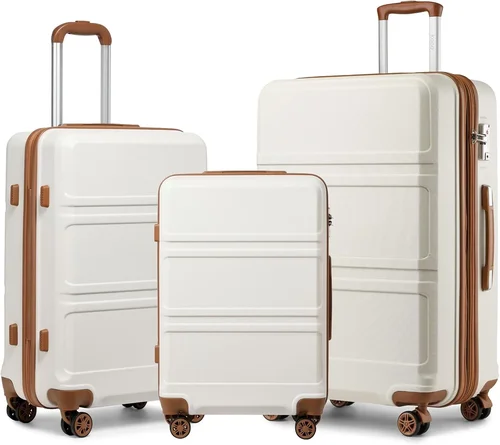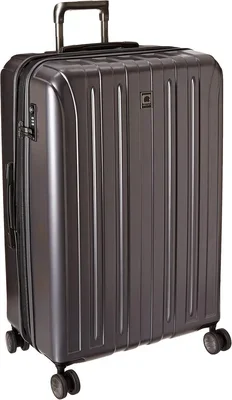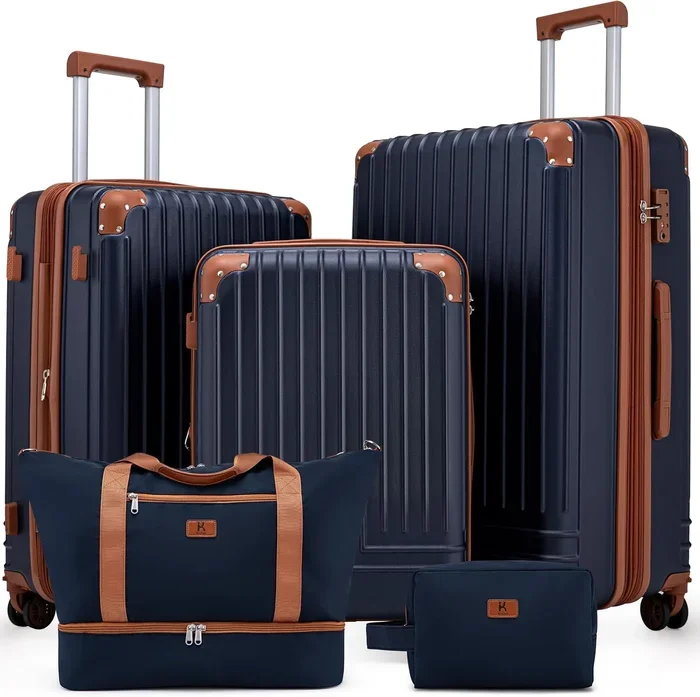
Shopping for luggage can feel overwhelming, especially when you are hunting for a set that expands to fit those last‑minute souvenirs without breaking the bank. A good expandable luggage set gives you the flexibility to pack light for a weekend getaway and then unzip the extra compartment when you return with more than you left with. This guide exists to cut through the marketing noise, explain the specs that actually matter, and help you walk away with a set that matches your travel style and your wallet.
In the next sections you will learn the six most important factors to evaluate, the different categories of expandable sets on the market, the common pitfalls that trap first‑time buyers, a realistic budget breakdown, expert timing and purchasing tips, answers to the questions we hear most often, and our top picks for every type of traveler. By the end you will have a clear checklist you can take to the store or keep open on your phone while you compare listings online.
The market for affordable expandable luggage has exploded in the last five years. Major brands like Samsonite, American Tourister, and Travelpro now offer budget lines, while newer direct‑to‑consumer labels such as Away, July, and Level8 compete on price and design. You will find hard‑shell polycarbonate, soft‑side ballistic nylon, and hybrid models that blend both. Prices for a three‑piece set can start under $120 and climb past $500 for premium features like spinner wheels, TSA‑approved locks, and lifetime warranties. Knowing where the sweet spot lies for your needs is the first step to a confident purchase.

What to Look for When Buying Buying Guide
1. Size Configuration and Airline Compliance
The first thing to verify is the dimensions of each piece in the set. Most airlines allow a carry‑on up to 22 x 14 x 9 inches (including wheels and handles) and a checked bag up to 62 linear inches (length + width + height). A typical three‑piece set includes a 20‑inch carry‑on, a 24‑inch medium checked, and a 28‑inch large checked. When the expansion zipper is opened, the depth can increase by 1.5 to 2.5 inches, which may push the bag over the limit. Choose a set where the expanded dimensions still fall within the most common airline restrictions, or be prepared to check the larger piece only when you truly need the extra space.
2. Shell Material and Durability
Hard‑shell luggage usually uses polycarbonate, ABS, or a polycarbonate‑ABS blend. Polycarbonate is the most impact‑resistant and flexes under pressure rather than cracking, making it the gold standard for frequent flyers. ABS is cheaper but more brittle; it can shatter on a hard impact. Soft‑side bags rely on high‑denier nylon (typically 840D to 1680D) or ballistic nylon, which resists abrasions and tears while offering a bit of give for overpacking. Hybrid models combine a polycarbonate frame with fabric panels, giving you the protection of a hard shell with the flexibility of a soft side. For a budget set, look for at least a polycarbonate‑ABS blend on the hard pieces and 840D nylon on the soft pieces.
3. Wheel System and Maneuverability
Four‑wheel spinner systems have become the norm because they let you glide the bag beside you in any direction, reducing wrist strain. Check that the wheels are recessed into the shell; recessed wheels are less likely to snap off when the bag is tossed onto a conveyor belt. Wheel material matters too: polyurethane (PU) wheels roll quieter and handle rough pavement better than plain plastic. Some budget sets use two‑wheel inline skate wheels; they are durable but require you to tilt the bag to move it. If you navigate crowded terminals often, prioritize a four‑wheel spinner with PU tires.
4. Handle Construction and Ergonomics
The telescoping handle should lock at multiple heights (usually three) so travelers of different statures can roll comfortably. Aluminum alloy tubes are lighter and stronger than steel, but they can dent if the bag is dropped. Look for a handle with a padded grip and a smooth, click‑free extension mechanism. A secondary top carry handle and a side handle are essential for lifting the bag into overhead bins or car trunks. On expandable sets, the handle housing must be reinforced because the extra depth adds stress when the bag is fully packed.
5. Expansion Mechanism and Capacity Gain
Expansion is typically achieved by a secondary zipper that releases a gusseted panel, adding 15‑25 % more volume. The zipper should be a YKK or equivalent brand with large, interlocking teeth; cheap zippers snag and break after a few trips. Some sets feature a “compression” strap inside the expanded compartment to keep contents from shifting when the bag is not fully expanded. Test the zipper action in the store or watch video reviews to ensure it slides smoothly when the bag is fully loaded.
6. Security Features: Locks and Zippers
TSA‑approved combination locks are standard on most mid‑range sets. They allow security agents to open the bag without cutting the lock. On budget models, the lock may be a simple three‑dial combination integrated into the zipper pull; verify that the lock meets Travel Sentry standards (look for the red diamond logo). Double‑coil zippers with lockable pulls add an extra layer of theft deterrence. If the set lacks a built‑in lock, you can always add an aftermarket TSA lock, but integrated locks are more convenient and less likely to be lost.
7. Interior Organization and Lining
A well‑designed interior saves you time at security and keeps clothes wrinkle‑free. Look for a full‑length divider panel with a zippered mesh pocket on one side and compression straps on the other. Some sets include a removable toiletry pouch, a shoe bag, or a wet/dry compartment. The lining fabric should be tear‑resistant polyester (150D‑210D) and preferably treated with an antimicrobial finish to reduce odors on long trips.
8. Warranty, Customer Service, and Repair Network
Even the best budget luggage can suffer a broken wheel or a torn handle. A warranty of at least three years (many brands offer five or limited lifetime) signals confidence in the product. Check whether the manufacturer has authorized repair centers in your region or offers a mail‑in service with prepaid shipping. Responsive customer service can turn a frustrating claim into a quick replacement, so read recent reviews that mention warranty experiences.
Different Types of Buying Guide

Common Buying Mistakes to Avoid
❌ Mistake: Ignoring Airline Size Limits
Why it’s bad: An expandable bag that exceeds carry‑on dimensions when fully unzipped will be gate‑checked, often incurring a fee and risking damage.
What to do instead: Measure the expanded dimensions yourself or check the manufacturer’s spec sheet. Choose a set where the largest piece stays under 62 linear inches even when expanded.
❌ Mistake: Prioritizing Price Over Wheel Quality
Why it’s bad: Cheap plastic wheels crack on the first cobblestone street, leaving you dragging a heavy bag.
What to do instead: Spend a little more for recessed polyurethane spinner wheels; they last years longer and roll silently.
❌ Mistake: Overlooking Handle Height Range
Why it’s bad: A handle that only locks at one height forces tall travelers to hunch, causing back strain.
What to do instead: Verify at least three lock positions and test the extension smoothness before buying.
❌ Mistake: Assuming All “TSA Locks” Are Equal
Why it’s bad: Some budget locks use a flimsy three‑dial mechanism that can be forced open without the combination.
What to do instead: Look for the Travel Sentry red diamond logo and read reviews that mention lock durability.
❌ Mistake: Skipping Warranty Registration
Why it’s bad: Many brands only honor the full warranty period after you register the product online.
What to do instead: Register within 30 days of purchase and keep the receipt and serial number photos.
❌ Mistake: Buying a Set Without Checking Interior Layout
Why it’s bad: A beautiful exterior hides a single cavernous compartment with no dividers, making organization a nightmare.
What to do instead: Open the bag in store or watch an unboxing video; confirm there are compression straps, mesh pockets, and a divider.
❌ Mistake: Ignoring Weight of the Empty Set
Why it’s bad: A heavy empty suitcase eats into your airline weight allowance before you even pack.
What to do instead: Target a carry‑on under 7 lb (3.2 kg) and a checked piece under 10 lb (4.5 kg) for a three‑piece set.
Budget Guidelines: How Much Should You Spend?
Understanding price tiers helps you set realistic expectations and avoid overpaying for features you don’t need.
Entry‑Level ($80 – $130)
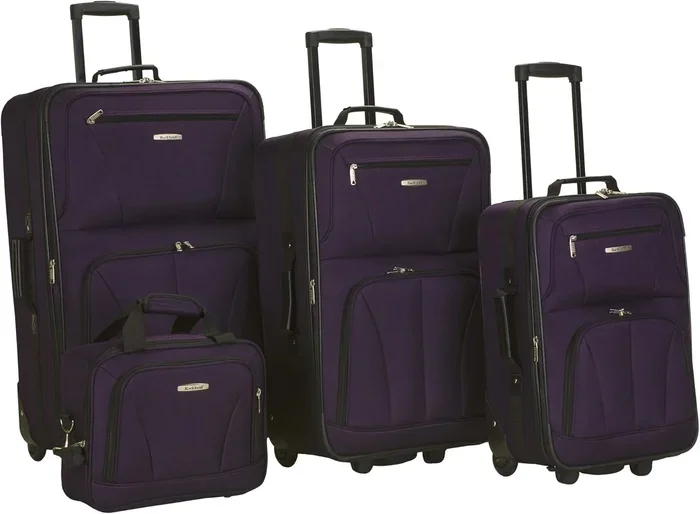
At this level you’ll find two‑wheel inline sets made from ABS hard shells or 600D polyester soft sides. Expansion is usually a single zipper gusset adding ~15 % volume. Wheels are basic plastic, handles are steel tubes with one or two lock positions, and warranties are typically one to two years. These sets work fine for a family vacation once a year, but they may show wear after a few trips through busy airports.
Mid‑Range ($130 – $250) – The Sweet Spot
This is where most travelers get the best balance of durability, weight, and features. Expect polycarbonate‑ABS blend hard shells or 840D‑1000D ballistic nylon soft sides, four‑wheel PU spinners, three‑position aluminum handles, TSA‑approved locks, and a three‑ to five‑year warranty. Expansion zippers are usually YKK and the interior includes a full divider, compression straps, and a mesh pocket. Brands like American Tourister, Travelpro Maxlite, and Level8 dominate this tier.
Premium ($250 – $400)
Premium sets upgrade to 100 % polycarbonate shells, 1680D ballistic nylon, or hybrid frames. Wheels are often double‑ball bearing spinners, handles are aircraft‑grade aluminum with ergonomic grips, and locks may be integrated with a fingerprint or Bluetooth option. Interiors add removable packing cubes, wet/dry pockets, and antimicrobial lining. Warranties extend to ten years or limited lifetime. If you travel monthly for work, the extra investment pays off in fewer repairs.
Luxury ($400 +)
Luxury expandable sets include brands like Rimowa, Tumi, and Away’s higher‑end lines. Materials are proprietary polycarbonate alloys or ultra‑light carbon fiber. Features can include built‑in USB‑C power banks, GPS tracking, self‑weighing handles, and bespoke color options. Warranties are often lifetime with global repair networks. These are for travelers who view luggage as a long‑term investment and want the absolute lightest weight with the highest durability.
Expert Tips for Getting the Best Deal
- Shop Off‑Season: Luggage goes on deep discount in January (post‑holiday) and September (back‑to‑school). Retailers clear shelf space for new collections, so you can snag a mid‑range set for entry‑level pricing.
- Use Price‑Tracking Tools: Browser extensions like Honey, CamelCamelCamel, or Keepa alert you when a specific model drops below your target price.
- Check Outlet and Refurbished Sections: Brands such as Travelpro and Samsonite sell factory‑refurbished sets with full warranties at 30‑40 % off. The cosmetic blemishes are usually minor and do not affect performance.
- Bundle with Packing Cubes: Some retailers offer a free set of packing cubes when you buy a three‑piece luggage set. Cubes maximize the expansion space and keep clothes organized.
- Read the Return Policy Before Checkout: A 30‑day no‑questions‑asked return window lets you test the bag at home with a full load. If the wheels feel stiff or the handle wobbles, you can send it back without a restocking fee.
- Test In‑Store If Possible: Roll the bag on both carpet and hard floor, extend the handle fully, and open the expansion zipper. Feel the weight distribution; a well‑balanced bag stays upright when you let go.
- Consider Credit Card Purchase Protection: Many premium credit cards extend the manufacturer’s warranty by an extra year and cover theft or damage for the first 90‑120 days.
- Sign Up for Brand Newsletters: First‑time subscriber discounts of 10‑15 % are common, and you’ll be notified of flash sales before the general public.

Frequently Asked Questions
Q: How much extra space does an expandable zipper really add?
A: Most expandable bags add 1.5 to 2.5 inches of depth, translating to roughly 15‑25 % more volume. On a 24‑inch checked bag that’s about 30‑40 liters of extra capacity, enough for a few extra outfits or a bulky jacket.
Q: Can I use an expandable carry‑on on a budget airline that has strict size limits?
A: Yes, but keep the expansion zipper closed. Measure the bag’s external dimensions (including wheels and handles) before you fly. If the expanded dimensions exceed the airline’s limit, you risk a gate‑check fee.
Q: Are hard‑shell suitcases heavier than soft‑side ones?
A: Not necessarily. Modern polycarbonate shells can be lighter than thick ballistic nylon. A 20‑inch polycarbonate carry‑on often weighs 6‑7 lb, while a comparable soft‑side may weigh 7‑8 lb due to the frame and padding.
Q: What is the difference between a spinner and an inline wheel?
A: Spinner wheels rotate 360 degrees, letting you push the bag alongside you. Inline wheels only roll forward and back, requiring you to tilt the bag. Spinners are easier on wrists but can be slightly more vulnerable to impact if not recessed.
Q: Do I need a TSA lock if I never check a bag?
A: Even carry‑ons can be inspected at security. A TSA lock lets agents open the bag without cutting the lock, preserving your hardware. It also deters opportunistic theft in overhead bins.
Q: How do I clean a polycarbonate shell?
A: Wipe with a damp microfiber cloth and mild soap. Avoid abrasive cleaners or solvent‑based products, which can dull the finish. For scuffs, a small amount of automotive polishing compound restores shine.
Q: What should I do if a wheel breaks while traveling?
A: Many airports have luggage repair kiosks. If you have a warranty, contact the brand’s customer service; they often ship a replacement wheel kit overnight. Carry a small multi‑tool for temporary fixes.
Q: Are packing cubes worth it with an expandable suitcase?
A: Absolutely. Packing cubes compress clothing, keep categories separate, and make it easy to pull out only what you need without unpacking the whole bag. They also prevent the expanded compartment from becoming a chaotic jumble.
Q: How long should a good expandable luggage set last?
A: With proper care, a mid‑range set lasts 8‑12 years. Premium sets can exceed 15 years. The most common failure points are wheels and handles, both of which are replaceable on most reputable brands.
Our Final Recommendations
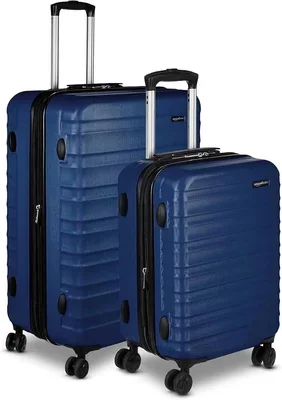
Best for Budget‑Conscious Buyers: Amazon Basics 3‑Piece Hardside Spinner Set – Priced around $110, it offers a polycarbonate‑ABS shell, four PU spinner wheels, a three‑position handle, and a basic TSA lock. Expansion adds ~15 % volume. Warranty is one year, but the low cost makes replacement affordable.
Best Overall Value: Travelpro Maxlite 5 3‑Piece Set – At $180‑$210 you get 840D nylon soft sides, four‑wheel spinners, a PowerScope handle with three stops, a built‑in TSA lock, and a limited lifetime warranty. The expansion zipper is YKK and the interior includes a full divider, compression straps, and a removable wet pocket.
Best Premium Option: Samsonite Freeform Hardside 3‑Piece Set – Around $300‑$340, this set uses 100 % polycarbonate, double‑ball bearing spinners, a recessed handle system, and an integrated TSA lock with a red diamond logo. Expansion adds 2 inches of depth. Ten‑year limited warranty and global repair network make it a long‑term investment.
Best for Beginners: American Tourister Moonlight Hardside 3‑Piece Set – Priced near $130, it features a lightweight polycarbonate shell, four spinner wheels, a simple push‑button handle, and a three‑dial TSA lock. The expansion is modest but sufficient for a weekend trip. One‑year warranty, but the brand’s customer service is responsive.
Best for Advanced Users / Frequent Flyers: Travelpro Platinum Elite 3‑Piece Set – At $380‑$420 you receive a high‑density nylon ballistic fabric, MagnaTrac spinner wheels that self‑align, a Contour Grip handle with four stops, a built‑in USB port (power bank not included), and a limited lifetime warranty. The expansion system includes a compression panel to keep contents stable.
Conclusion: Making the Right Choice
Choosing an expandable luggage set is a balance of size, material, wheel quality, handle ergonomics, security, interior organization, and warranty coverage. Start by measuring the airline limits you encounter most often, then decide whether a hard shell, soft side, or hybrid fits your packing style. Aim for the mid‑range tier if you travel several times a year; the extra $50‑$100 over entry‑level buys you smoother wheels, a stronger handle, and a warranty that actually protects you. Use the expert timing tips—shop off‑season, track prices, and leverage credit‑card protections—to stretch your budget further.
Remember, the best luggage is the one that disappears into the background of your journey, letting you focus on the destination instead of wrestling with a broken wheel or a jammed zipper. Armed with this guide, you can walk into any store or scroll any product page with confidence, knowing exactly what to look for and what to avoid. Happy travels, and may your next adventure be as smooth as a well‑oiled spinner wheel.