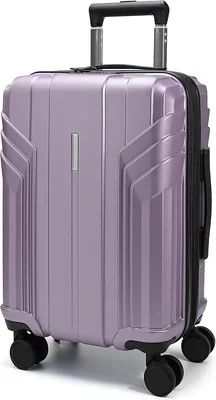
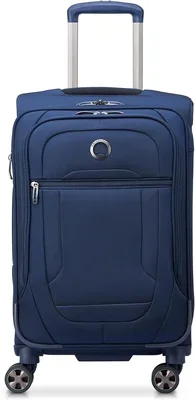
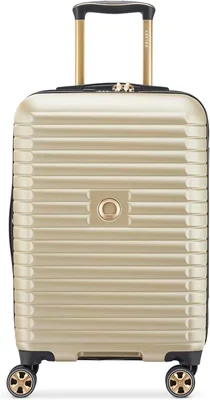
Shopping for luggage can feel overwhelming, especially when you’re faced with dozens of brands, materials, and feature sets all promising to be the perfect travel companion. If you’ve landed on the Delsey Montrouge expandable spinner luggage line, you’re already looking at one of the most respected names in the travel industry. Delsey has been a staple in French luggage design since 1946, and the Montrouge collection represents their sweet spot where sophisticated style meets practical engineering. This guide exists because picking the right suitcase isn’t just about picking a color—it’s about matching a piece of equipment to your specific travel habits, your body, and your budget.
Over the next several sections, we’re going to break down everything you need to know to buy with total confidence. We’ll translate technical specifications into plain English, explain why certain features matter more than others depending on how you travel, and give you a clear framework for comparing the different models within the Montrouge family. Whether you’re a weekend warrior hopping on short domestic flights or a global nomad checking bags on international connections, you’ll learn exactly what to prioritize. We’ll also cover the common pitfalls that lead to buyer’s remorse, give you a realistic budget breakdown, and share insider tips on when and where to find the best prices.
The luggage market is flooded with options ranging from disposable budget brands to ultra-premium luxury cases costing thousands. The Delsey Montrouge sits comfortably in the “accessible premium” tier—offering high-end materials like polycarbonate shells, TSA-approved locks, and double spinner wheels at a price point that doesn’t require a second mortgage. By the end of this article, you won’t just know which Montrouge model to buy; you’ll understand why it’s the right choice for your specific journey.

What to Look for When Buying Delsey Montrouge Luggage
1. Shell Material and Construction
The very first thing to evaluate on any hardside suitcase is what it’s made of. The Montrouge line uses 100% polycarbonate, which is widely considered the gold standard for modern luggage shells. Unlike older materials like ABS (which cracks under pressure) or polypropylene (which can feel flimsy), polycarbonate has a unique molecular structure that allows it to flex under impact rather than shatter. Think of it like a car bumper designed to absorb a crash—when a baggage handler tosses your case onto a conveyor belt or it gets crushed under a stack of other bags in the cargo hold, the shell bends slightly and then snaps back to its original shape.
Delsey takes this a step further with their proprietary manufacturing process. The Montrouge shells are injection-molded rather than vacuum-formed, meaning the material thickness is consistent across every curve and corner—especially the vulnerable edges and corners where stress concentrates. You’ll also notice a subtle texture on the finish. That isn’t just for looks; it’s a micro-diamond pattern that hides the inevitable scuffs and scratches that happen during travel. A high-gloss shell looks beautiful in the store but shows every mark after one trip. The Montrouge’s matte-textured finish keeps your luggage looking professional trip after trip.
2. Wheel System Quality and Maneuverability
If the shell is the skeleton of your luggage, the wheels are the legs—and on a spinner, they’re the single most important factor in day-to-day usability. The Montrouge features double-spinner wheels, meaning each corner has two wheels side-by-side rather than a single wheel. This design distributes the load across a wider surface area, reducing the pressure on each individual wheel axle. The result? Significantly smoother rolling over cracks in pavement, carpet transitions in hotels, and those dreaded cobblestone streets in European city centers.
But not all double spinners are created equal. Look closely at the wheel housing. On the Montrouge, the wheels are recessed into the shell body rather than bolted onto the outside. This recessed design serves two critical purposes: it protects the wheels from snapping off if the bag is dropped or crushed, and it maximizes internal packing volume because the wheel wells don’t intrude into the packing cavity. The wheels themselves use precision ball bearings (not simple bushings) and a soft thermoplastic rubber (TPR) tread that absorbs vibration. You’ll feel the difference immediately—a quality spinner glides silently beside you with one finger on the handle; a cheap one chatters, vibrates, and requires constant correction.
Test the wheels by loading the case with 15-20 pounds of weight (a gym bag works perfectly) and pushing it around the store. Try sharp 90-degree turns, reverse direction quickly, and pull it over a threshold or carpet edge. The Montrouge should track straight without wobbling and pivot effortlessly. If you feel resistance or hear a gritty sound, walk away—that indicates poor bearing quality or misaligned axles that will only get worse with dust and grit.
3. Handle System Ergonomics and Durability
The telescoping handle is your primary interface with the bag, and a poorly designed one can turn a pleasant walk through the terminal into a wrist-straining ordeal. The Montrouge uses a dual-tube aluminum handle system with a padded, contoured grip. The dual-tube design is superior to single-pole handles because it resists twisting—when you yank the bag over a curb or pull it through a crowded aisle, the handle stays straight and true rather than torquing in your hand.
Pay attention to the locking mechanism. The Montrouge features a push-button release with multiple height stops (usually three or four positions). This matters because travelers come in different heights, and a handle that locks at only one or two positions forces you to either hunch over or reach up awkwardly. The button should depress smoothly with a positive click—no sticking, no requiring two hands to release. Also check the handle’s retraction: it should slide down into the cavity smoothly without catching on the interior liner or the frame.
One often-overlooked detail: the handle tubes themselves. On the Montrouge, they’re anodized aluminum, which resists corrosion from sweaty hands or humid climates. Cheaper bags use painted steel tubes that chip and rust, eventually leaving sharp edges or seizing up entirely. Grip the handle firmly and try to wiggle it side-to-side and front-to-back. There should be virtually zero play. Excessive wobble means the internal locking collars are loose, and that wobble will translate into fatigue in your wrist and shoulder over a long travel day.
4. Expandability and Packing Capacity
The “expandable” in the Montrouge name isn’t marketing fluff—it’s a genuine 1.5 to 2-inch expansion gusset that runs the full perimeter of the main compartment. This adds roughly 15-20% more packing volume, which can be the difference between checking a bag and carrying on, or between packing souvenirs and shipping them home. The expansion zipper is a heavy-duty #10 coil zipper (the same gauge used on expedition duffels) with a fabric guard that prevents the zipper teeth from snagging on the liner or your clothes.
Here’s the critical detail most buyers miss: expansion changes the bag’s external dimensions. A 22-inch carry-on that expands to 24 inches may no longer fit in the overhead bin or, more importantly, may exceed the airline’s linear inch limits (length + width + height). The Montrouge’s expansion is designed to stay within most major airline carry-on limits when expanded, but you must verify this against your specific carrier’s rules. Some budget airlines have stricter limits. The expansion zipper also has a small lockable pull tab so you can secure the expanded section with a TSA lock—preventing the bag from accidentally bursting open if the main zipper fails or if an overzealous packer sits on it.
5. Interior Organization and Liner Quality
Open the Montrouge and you’ll find a fully lined interior with a thoughtfully designed organization system. The main compartment features a full-zip divider panel on one side (usually the lid side) with a large zippered mesh pocket—perfect for toiletries, electronics cables, or documents you need quick access to. The other side (the base) has adjustable compression straps with quick-release buckles. These aren’t just for show; they’re essential for keeping clothes from shifting during transit, which prevents wrinkles and maximizes space.
The liner fabric is a high-denier polyester with a water-resistant coating. This matters because condensation forms inside luggage during temperature changes in cargo holds. A quality liner wicks that moisture away from your clothes rather than trapping it against them. The seams are bound (finished with fabric tape) rather than raw, so there are no loose threads to catch on zippers or snag delicate fabrics. The divider panel also has a gusseted design, meaning it bows out slightly to accommodate bulkier items on the lid side without pressing against the contents of the base.
Look for a “wet pocket” or a separate zippered compartment along the hinge side—some Montrouge models include this for damp swimwear or shoes. If your model doesn’t have one, consider a packing cube set. The Montrouge’s rectangular interior geometry (thanks to those recessed wheels) makes it exceptionally compatible with standard packing cubes, allowing you to create a modular system that keeps everything organized and compressible.
6. Security Features: Locks and Zippers
Security on the Montrouge centers around a TSA-approved combination lock integrated into the frame. This isn’t a padlock you attach—it’s built into the shell, with the locking mechanism engaging directly with the zipper pulls. The lock uses a three-dial combination (user-settable) and a TSA keyway that allows Transportation Security Administration agents to open and relock your bag without destroying the lock. This is mandatory for travel to/from the USA and recommended globally.
The zippers themselves are YKK RCW (Rain Guard) coil zippers—self-healing, meaning if a tooth gets misaligned, simply zipping and unzipping a few times usually realigns it. The zipper pulls are large, ergonomic, and have a hole for the lock’s shackle. Critically, the Montrouge uses a double-coil zipper design on the main compartment: two parallel zipper tracks that interlock. This makes it virtually impossible to force the bag open with a pen or knife (a common theft technique on single-coil zippers) because the teeth engage each other from both sides.
One subtle but brilliant feature: the lock housing is recessed into the shell. This prevents the lock from snagging on conveyor belts, other luggage, or the metal lips of overhead bins. It also means the lock can’t be pried off with a screwdriver—a vulnerability on surface-mounted locks. When setting your combination, choose a code that’s memorable but not obvious (avoid 000, 123, 999, or your birth year). Write it down in your phone’s secure notes or a password manager before you travel.
7. Weight and Airline Compliance
Weight is the silent budget killer. Every pound your empty suitcase weighs is a pound less you can pack before hitting airline weight limits (typically 50 lbs / 23 kg for checked bags on US carriers, often less internationally). The Montrouge line is engineered for lightweight strength: the 21-inch carry-on weighs approximately 6.6 lbs (3.0 kg), the 25-inch medium around 8.4 lbs (3.8 kg), and the 29-inch large about 10.1 lbs (4.6 kg). These are competitive figures for polycarbonate spinners in this price tier.
But weight alone doesn’t tell the whole story. You need to consider the packing efficiency ratio—internal volume divided by external weight. Because the Montrouge’s wheels are recessed and its corners are rounded rather than boxy, it achieves a higher packing efficiency than many competitors. A boxy 7-lb bag might only give you 85 liters of usable space; the Montrouge’s curved design yields closer to 95 liters in the same weight class. That’s an extra outfit or two without paying overweight fees.
Always check your most-flown airlines’ specific size and weight restrictions before choosing a size. The 21-inch is the safe bet for US domestic carry-on (22 x 14 x 9 inches including wheels/handles), but some international carriers limit carry-ons to 21.5 x 15.5 x 9 inches or even smaller. The 25-inch is the sweet spot for checked luggage—large enough for two weeks of clothing but usually under the 62 linear inch limit (L+W+H) that triggers oversize fees. The 29-inch is for serious overpackers or family trips; just be aware it will likely exceed 50 lbs when fully packed, risking overweight charges.
8. Warranty and Brand Support
Delsey backs the Montrouge with a 10-year limited warranty that covers defects in materials and workmanship—wheels, handles, zippers, locks, and shell integrity. This is a strong signal of confidence; budget brands often offer only 1-3 years. However, read the fine print: the warranty typically excludes damage from airline handling (crushed corners, torn wheels), normal wear and tear (scuffs, scratches), and damage from overpacking (burst seams, broken zippers).
What makes Delsey’s support stand out is their global repair network. They have authorized repair centers in over 50 countries, and many major airports have Delsey service counters. If a wheel breaks in Tokyo or a handle jams in Paris, you can often get it fixed on the spot rather than shipping the bag home. Register your luggage on Delsey’s website within 30 days of purchase—this activates the warranty and creates a record that speeds up any future claims. Keep your receipt (a photo on your phone works) and take photos of the bag from all angles when new; this documents the baseline condition.
Different Types of Delsey Montrouge Luggage

Common Buying Mistakes to Avoid
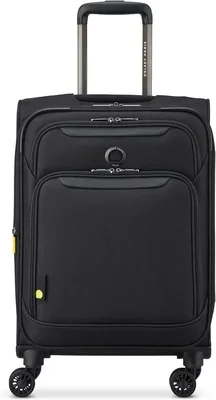
❌ Mistake: Choosing Size Based on “Maximum Capacity” Rather Than Typical Trip Length
Why it’s bad: Buying the 29-inch because “it holds the most” is a classic error. A larger bag weighs more empty, is harder to maneuver in tight spaces (train aisles, small rental cars, boutique hotel elevators), and tempts you to overpack—leading to overweight fees, back strain, and wrinkled clothes from compression. Most travelers use 80% of their luggage’s capacity 80% of the time. Size for your typical trip, not your once-a-year family reunion.
What to do instead: Audit your last three trips. How many days? What did you actually wear? If you’re consistently under 10 days, the 25-inch is your sweet spot. If you’re almost always carry-on only, the 21-inch forces discipline. Only buy the 29-inch if you regularly travel 2+ weeks or need to transport bulky items (winter coats, ski gear, baby equipment).
❌ Mistake: Ignoring Airline-Specific Carry-On Restrictions
Why it’s bad: The Montrouge 21-inch is sized for US domestic carriers (American, Delta, United, Southwest). But if you fly basic economy on those same airlines, or if you fly European low-cost carriers (Ryanair, EasyJet, Vueling), or Asian budget airlines (AirAsia, Scoot), the size and weight limits are often significantly stricter. A bag that fits in a United overhead bin might get gate-checked on Ryanar—costing you €60+ and defeating the purpose of a carry-on.
What to do instead: Check the carry-on policy of the most restrictive airline you fly regularly. Measure the Montrouge 21-inch yourself (including wheels and handle) and compare. If you’re a mixed-fleet flyer, consider the Montrouge 21-inch as your checked bag on strict airlines and carry-on on generous ones—or look at Delsey’s even more compact “Underseat” models for the strictest carriers.
❌ Mistake: Overlooking the “Nested Storage” Dimension
Why it’s bad: You’re buying a beautiful piece of luggage, but where does it live the other 350 days a year? The Montrouge 29-inch is nearly 30 inches tall. If you live in an apartment with a shallow closet or under-bed storage, the large size may not fit. Even the 25-inch can be tight for under-bed clearance. Many buyers don’t measure their storage space and end up with a suitcase leaning against the bedroom wall.
What to do instead: Measure your storage space—closet depth, under-bed height, shelf spacing. Remember that the Montrouge nests (the 21-inch fits inside the 25-inch, which fits inside the 29-inch). If you buy a set, you only need space for the largest piece. But if you buy individually, each needs its own spot. A 21-inch fits in most overhead closet shelves; a 29-inch usually requires floor space.
❌ Mistake: Assuming “Expandable” Means “Pack It Full”
Why it’s bad: The expansion gusset adds volume, not weight allowance. If you expand your 25-inch Montrouge and fill it to the brim, you’ll almost certainly exceed the 50-lb checked bag limit. Airlines weigh bags at check-in, and they don’t care that your bag can hold 60 lbs—they’ll charge you $100+ for the overweight fee. Expansion is for bulky, light items (puffy jackets, souvenirs, dirty laundry) not dense items (shoes, books, electronics).
What to do instead: Weigh your packed bag at home with a luggage scale (costs $10). Aim for 45 lbs max on a 50-lb limit—this gives you a 5-lb buffer for souvenirs or scale discrepancies. Use the expansion zipper only when you need the volume, and always re-weigh after expanding.
❌ Mistake: Buying Based on Color Alone Without Considering Visibility
Why it’s bad: That sleek midnight black or deep navy looks sophisticated in the store. On a baggage carousel surrounded by 50 other black suitcases, it’s a nightmare. You’ll waste time staring at every black bag, risk someone else taking yours by mistake, and struggle to describe it if it’s lost. Dark colors also show light-colored scuffs (from conveyor belts) more prominently.
What to do instead: Choose a distinctive color—Delsey offers the Montrouge in shades like Champagne, Rose Gold, Deep Teal, and Silver. These stand out instantly on the carousel and hide scuffs better than dark solids. If you love black, add a bright, distinctive luggage tag, a colorful handle wrap, or a unique strap. Make your bag identifiable from 20 feet away.
❌ Mistake: Skipping the “Shake Test” In-Store
Why it’s bad: Online shopping is convenient, but luggage is tactile. A bag that looks identical in photos can feel completely different in hand. The wheel smoothness, handle wobble, zipper glide, and shell flex are impossible to judge from images. Buying without a hands-on test (or at least a generous return policy) risks getting a lemon.
What to do instead: If possible, visit a store that carries Delsey (department stores, luggage specialists, some airport shops). Load the bag with weight, extend the handle, roll it on carpet and hard floor, open/close the zippers fully, engage the lock, expand and compress the gusset. If buying online, order from a retailer with free returns (Amazon, Zappos, Delsey direct) and do the full test at home within the return window. Don’t just glance at it—use it.
Budget Guidelines: How Much Should You Spend?
Entry-Level ($150 – $220): The Compromise Zone
In this range, you’re looking at the Montrouge 21-inch on deep sale, or older-generation models being cleared out. You’ll get the core polycarbonate shell and double spinners, but you may sacrifice: fewer color options, older wheel bearing designs (louder, less durable), simpler interior organization (no wet pocket, basic divider), and potentially a 3-year warranty instead of 10. These are perfectly functional for occasional travelers (2-3 trips per year) who treat luggage gently. However, if you travel monthly or check bags regularly, the components here will wear faster—wheels develop flat spots, handles get sticky, zippers misalign.
Watch for “Montrouge Lite” or similarly named variants that use thinner polycarbonate or single-spinner wheels to hit a lower price point. They share the aesthetic but not the engineering. If your budget is firm here, the 21-inch carry-on is the smartest buy—it takes the least abuse (stays with you in cabin) so the component compromises matter less.
Mid-Range ($220 – $350): The Sweet Spot for Most Buyers
This is where the current-generation Montrouge 21-inch, 25-inch, and 25-inch + 21-inch sets live at regular price. You’re paying for the full feature set: recessed double spinners with precision bearings, anodized dual-tube handle with 4 height stops, YKK RCW double-coil zippers, integrated TSA lock, 10-year warranty, and the full interior organization suite. The cost per trip over a 7-10 year lifespan drops to pennies. This tier also gets you the best color selection and the most reliable stock availability.
For a single checked bag, the 25-inch at ~$280 is arguably the highest value-per-dollar piece in the entire Delsey lineup. It’s large enough for real trips, small enough to avoid oversize fees, light enough to stay under weight limits when packed sensibly, and durable enough for weekly travel. If you can stretch to the 2-piece set (~$450), you cover 90% of travel scenarios for less than the cost of two separate purchases.
Premium ($350 – $500): Enhanced Features and Sets
At this level, you’re looking at the 29-inch large spinner, the 3-piece set, or special editions (limited colors, collaborative designs). The 29-inch adds significant volume but also weight—you’re paying for the extra material and the structural reinforcement needed to keep a larger shell rigid. The 3-piece set (~$630) offers the lowest per-bag cost and ensures your luggage matches aesthetically (which matters more than you’d think for professional appearances and easy identification).
Premium buyers should also consider Delsey’s “Platinum” or “Chatelet” lines if they want leather accents, silent-run wheels (Japanese Hinomoto bearings), or removable laundry bags. The Montrouge tops out here—it’s designed as a high-value workhorse, not a luxury status symbol. If you’re spending $500+ on a single suitcase, you’re likely better served by a different product line unless you specifically need the Montrouge’s exact feature set in a 29-inch size.
Luxury ($500+): Beyond the Montrouge Line
Once you cross $500 for a single piece, you’ve left the Montrouge category. You’re now looking at brands like Rimowa (polycarbonate or aluminum), Tumi (ballistic nylon or Tegris composite), Briggs & Riley (lifetime warranty with airline damage coverage), or high-end Delsey lines like the Titanium or Belmont Plus. These offer features like self-healing shells, modular interior systems, GPS tracking integration, and “no-questions-asked” lifetime warranties that cover airline damage.
Is it worth it? For the 95% of travelers who fly a few times a year and check bags occasionally—no. The Montrouge gives you 90% of the performance for 40% of the price. But if you’re a road warrior flying 50+ segments a year, or you pack fragile equipment (camera gear, instruments, prototypes), the jump to a true luxury piece with a lifetime warranty that covers everything (including airline damage) can pay for itself in one claim.

Expert Tips for Getting the Best Deal
1. Time Your Purchase to Major Sale Cycles. Luggage follows predictable discount patterns. The best prices appear during: January “New Year, New Gear” sales (clearing holiday inventory), May (pre-summer travel prep), July 4th weekend, Labor Day weekend (end of summer), and Black Friday/Cyber Monday. Delsey specifically often runs 25-30% off sitewide during these windows. Avoid buying at full price in March, June, or October unless you have an immediate trip.
2. Sign Up for Brand and Retailer Alerts. Create a dedicated email filter for Delsey, major department stores (Macy’s, Nordstrom, Bloomingdale’s), and luggage specialists (eBags, Luggage Pros, Travelpro). Many offer 10-15% off your first email signup. Combine this with a sale for stacking discounts. Also follow Delsey on Instagram—they occasionally post flash sale codes or influencer-exclusive discounts.
3. Check Authorized Resellers for “Open Box” or “Refurbished” Units. Sites like eBags, Amazon Warehouse, and Delsey’s own outlet section sometimes sell returned luggage at 20-40% off. These are typically buyer-remorse returns (wrong size, color mismatch) not defects. They carry the same warranty if sold by an authorized dealer. Inspect thoroughly on arrival—check wheels, handle, zippers, lock, and shell for any damage the grader missed.
4. Buy Sets If You Need Multiple Sizes—But Only If You’ll Use Them. A 3-piece set saves 15-20% vs. buying individually. But if you’ll never use the 29-inch, you’ve wasted money and storage space. A 2-piece set (21″+25″) covers the vast majority of travelers. The 21-inch nests inside the 25-inch for storage, so the footprint is minimal. Only buy the 3-piece if you genuinely take extended trips annually or have a family member who can use the third piece.
5. Use Price Tracking Tools. Install browser extensions like Honey, Capital One Shopping, or CamelCamelCamel (for Amazon). Set price drop alerts for the specific Montrouge model and color you want. These tools also auto-apply coupon codes at checkout. I’ve seen 25-inch Montrouge drop from $300 to $210 via a stacked sale + coupon that the tracker caught automatically.
6. Consider “Previous Generation” Clearance. Delsey updates the Montrouge every 2-3 years with minor tweaks (new colors, slightly revised wheel hub, updated liner pattern). The previous generation goes on deep clearance (40-50% off) when the new one launches. The core engineering (polycarbonate shell, double spinners, TSA lock) remains identical. This is arguably the smartest buy in the entire market—current-gen performance at entry-level pricing.
7. Leverage Credit Card Benefits. Many premium travel cards (Chase Sapphire Reserve, Amex Platinum, Capital One Venture X) offer purchase protection that extends the manufacturer’s warranty by 1-2 years and covers damage/theft for 90-120 days. Some also offer statement credits for luggage purchases at specific retailers. Check your card’s benefits portal before buying—you might effectively get 12-15% back.
8. Test Immediately Upon Delivery. Whether bought online or in-store, do a full functional test the day it arrives. Roll it loaded (15+ lbs) on carpet, hardwood, and threshold. Extend/retract handle 10 times. Open/close main zipper fully 5 times. Engage/disengage lock. Expand/compress gusset. Check all interior seams and pockets. If anything feels gritty, sticks, wobbles, or looks misaligned—return it immediately. Don’t “break it in.” Quality luggage works perfectly out of the box.

Frequently Asked Questions
Q: Is the Delsey Montrouge carry-on size guaranteed to fit in overhead bins?
A: The 21-inch Montrouge measures approximately 21.7″ x 13.8″ x 9.8″ (including wheels and handle), which complies with the standard US domestic carry-on limit of 22″ x 14″ x 9″. However, “fits in overhead bin” depends on the aircraft type (regional jets have smaller bins) and how full the flight is. Basic Economy fares on United, American, and Delta often restrict you to a personal item only—no overhead bin access. Always verify your fare class and aircraft type. For international carriers, limits vary widely; measure your specific bag and compare to the airline’s published dimensions.
Q: How does the Montrouge compare to the Delsey Chatelet or Helium Aero?
A: The Chatelet is Delsey’s “heritage luxury” line—leather accents, silent Hinomoto wheels, more refined aesthetics, higher price ($350-$500 for carry-on). The Helium Aero is the budget polycarbonate line—thinner shell, single-spinner wheels, simpler interior, 3-year warranty, lower price ($150-$220). The Montrouge sits perfectly between them: premium polycarbonate thickness, double spinners, full interior organization, 10-year warranty, modern matte finish, at a mid-range price ($220-$300). For 90% of travelers, the Montrouge is the best value.
Q: Can the TSA lock be reset if I forget the combination?
A: No. The TSA lock on the Montrouge is a fixed-combination lock—there is no master reset key or backdoor. If you forget the code, you have two options: (1) Try every combination from 000 to 999 (takes 20-30 minutes if systematic). (2) Contact a locksmith or Delsey authorized repair center—they can mechanically open it, but this usually damages the lock housing, requiring replacement. Write your combination down immediately after setting it. Store it in your phone’s secure notes, a password manager, or a physical notebook you keep with travel documents.
Q: Are the wheels replaceable if they break?
A: Yes, but with caveats. The Montrouge’s double-spinner wheel assemblies are bolted to the shell from the inside (accessible by opening the liner’s bottom zipper panel). Delsey sells replacement wheel kits (~$30-40 per pair) through authorized repair centers. A competent DIYer can replace them with basic tools (Phillips screwdriver, 10mm wrench). However, if the wheel housing (the molded recess in the shell) cracks, that’s a shell replacement—which is rarely cost-effective. This is why the recessed wheel design matters: it protects the housing from impact.
Q: Does the expansion zipper weaken the bag’s structural integrity?
A: Not when engineered correctly. The Montrouge’s expansion gusset is reinforced with a double layer of fabric and a structural tape that distributes stress across the frame. When zipped closed (non-expanded), the gusset lies flat and the bag behaves like a non-expandable case. When expanded, the gusset becomes a load-bearing wall. Delsey stress-tests this to 200% of rated capacity. The only risk is overpacking the expanded section so tightly that the zipper is under constant tension—this can fatigue the zipper coils over time. Pack the expanded section loosely.
Q: How do I clean the Montrouge’s textured polycarbonate shell?
A: For routine cleaning: mix a few drops of mild dish soap (Dawn, etc.) in warm water. Use a soft microfiber cloth to wipe the shell. Avoid abrasive sponges, magic erasers, or harsh chemicals (acetone, bleach, ammonia)—these can dull the texture or damage the anodized handle tubes. For stubborn scuffs (black marks from conveyor belts), a small amount of isopropyl alcohol on a cloth works well. Dry thoroughly with a clean microfiber towel. Never machine wash or submerge the bag.
Q: Can I stack the Montrouge 21-inch on top of the 25-inch for rolling through the airport?
A: Yes, the Montrouge is designed for “piggybacking.” The 21-inch has a dedicated rear strap (often called a “Add-a-Bag” strap or trolley sleeve) that slides over the extended handle of the 25-inch or 29-inch. The 21-inch’s bottom feet align with the larger bag’s top surface, creating a stable two-bag tower that rolls on the larger bag’s wheels. This is a lifesaver for families or solo travelers with a carry-on plus a personal item. Test the balance at home—load the bottom bag heavier than the top.
Q: What’s the real-world lifespan of a Montrouge with regular use?
A: With proper care (lubricating zippers/handle annually, not overpacking, storing nested in a climate-controlled space), the Montrouge typically lasts 7-10 years for frequent travelers (10+ trips/year) and 12-15+ years for occasional travelers (2-4 trips/year). The first components to wear are usually the wheel bearings (gritty feel) and handle tubes (sticky extension). Both are replaceable. The polycarbonate shell itself, barring catastrophic crushing, will outlast the moving parts. Many travelers report 15+ years on older Delsey polycarbonate lines.
Q: Is the Montrouge water-resistant?
A: The polycarbonate shell itself is waterproof. The zippers are water-resistant (YKK RCW coil) but not waterproof—driving rain or submersion will eventually seep through the zipper teeth. The interior liner has a water-repellent coating that handles minor moisture (condensation, damp clothes) but not immersion. For true waterproofing (kayaking, monsoon travel, checked bags left on tarmac in downpours), use a lightweight dry sack or pack liner inside the Montrouge. The bag will survive rain on the carousel or a wet taxi trunk, but it’s not a dry bag.
Q: Does Delsey offer monogramming or personalization on the Montrouge?
A: Delsey does not offer factory monogramming on the Montrouge line. The textured polycarbonate shell doesn’t take embossing or engraving well. However, many third-party luggage tag makers offer custom leather tags that attach to the handle or the dedicated tag loop on the back. Some travelers use vinyl decals (like laptop stickers) on the shell for identification—these remove cleanly from the textured finish. For a truly unique look, consider a full-wrap luggage cover (spandex sleeve) in a custom print—these also add scratch protection.
Our Final Recommendations
Best for Budget-Conscious Buyers: Delsey Montrouge 21″ Carry-On (Previous Generation on Clearance)
If your budget is tight but you refuse to compromise on quality, hunt for the previous-generation Montrouge 21-inch in a clearance color. You’ll often find it for $160-$190—30-40% off current MSRP. The shell, wheels, handle, and lock are functionally identical to the current model. You sacrifice only the latest colorways and perhaps a minor liner update. This is the highest “performance per dollar” in the entire Delsey lineup. Pair it with a quality backpack as your personal item, and you’re set for 90% of trips under $200 total luggage spend.
Best Overall Value: Delsey Montrouge 25″ Medium Checked Spinner (Current Generation)
The 25-inch is the Goldilocks size—large enough for two weeks of clothing in compression cubes, small enough to avoid oversize fees on virtually every airline, light enough (8.4 lbs) to stay under 50 lbs when packed sensibly. At ~$280 regular price (often $230 on sale), it delivers the full Montrouge feature set in the most versatile form factor. It fits in standard rental car trunks, hotel luggage racks, and train overheads. If you only buy one checked bag for the next decade, make it this one.
Best Premium Option: Delsey Montrouge 2-Piece Set (21″ + 25″)
For ~$450 (often $380 on sale), you get a complete travel system that covers every trip from overnight business to two-week vacation. The bags nest for storage, match aesthetically, and share the same wheel/handle/lock interface—muscle memory transfers perfectly. The 21-inch lives in the overhead bin; the 25-inch goes in the hold. You’ll never need to borrow, rent, or buy another bag. The per-bag cost drops to ~$190 each—cheaper than buying the 21-inch alone at full price. This is the smartest long-term investment for a serious traveler.
Best for Beginners: Delsey Montrouge 21″ Carry-On in a Bright Color (Champagne, Teal, Rose Gold)
New travelers often overpack and fear checking bags. The 21-inch forces packing discipline—you simply can’t bring “just in case” items. The bright color builds confidence: you spot it instantly on the carousel, you never confuse it with someone else’s, and it looks intentional (not like you grabbed the first black bag at Target). The lightweight 6.6 lbs means you can lift it into overhead bins without straining. The 10-year warranty means you don’t need to baby it. Learn to travel light with a bag that makes it easy.
Best for Advanced Users / Frequent Flyers: Delsey Montrouge 25″ + Custom Interior System
Experienced travelers know the bag is just the shell—the system inside matters more. Buy the 25-inch Montrouge and outfit it with a tailored packing cube set (e.g., Eagle Creek, Peak Design, or Gonex), a dedicated tech organizer, a compressible laundry bag, and a TSA-approved toiletry kit. Use the Montrouge’s compression straps and divider panel as the framework. The recessed wheels give you a perfectly flat packing floor for cube stacking. The expansion gusset becomes your “dirty laundry return” zone. This setup turns the Montrouge into a mobile closet that packs/unpacks in 5 minutes flat.
Conclusion: Making the Right Choice
We’ve covered a lot of ground—from the molecular structure of polycarbonate to the psychology of carousel color selection. But the core message is simple: the Delsey Montrouge expandable spinner luggage line is a remarkably well-engineered tool that solves the real problems of travel without solving problems you don’t have (like “how do I show off my luggage budget”). It sits in that rare sweet spot where every feature earns its keep—recessed double spinners that actually protect the wheels, an expansion gusset that stays within airline limits, a lock that’s recessed not bolted, a handle that doesn’t wobble after six months.
Your job now is to match the tool to your life. Measure your storage space. Audit your typical trip length. Check your most-flown airlines’ restrictions. Pick a color that makes you smile on a grey Tuesday at baggage claim. Buy during a sale cycle from an authorized dealer. Test it thoroughly the day it arrives. Register the warranty. Lubricate the moving parts once a year. And then—this is the most important part—use it. Fill it with memories, not just clothes. Let it get scuffed. Let it earn its patina. A Montrouge isn’t a display piece; it’s a passport stamp in physical form.
Wherever your next journey takes you—a weekend in the mountains, a month in Southeast Asia, a business trip you’d rather skip but a family reunion you can’t wait for—you now have the knowledge to choose the companion that’ll get your gear there safely, smoothly, and with a little French elegance. Bon voyage.