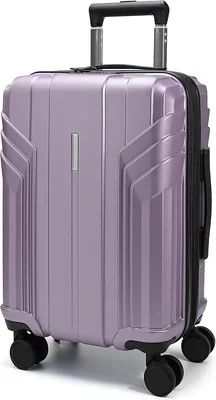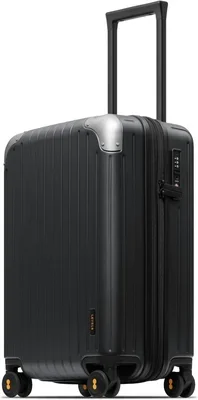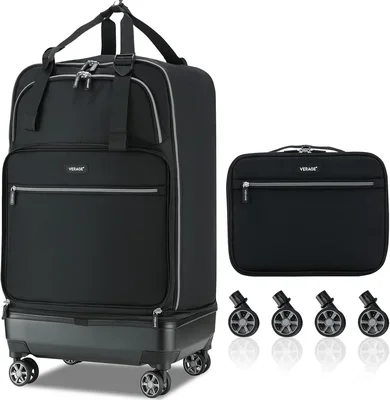
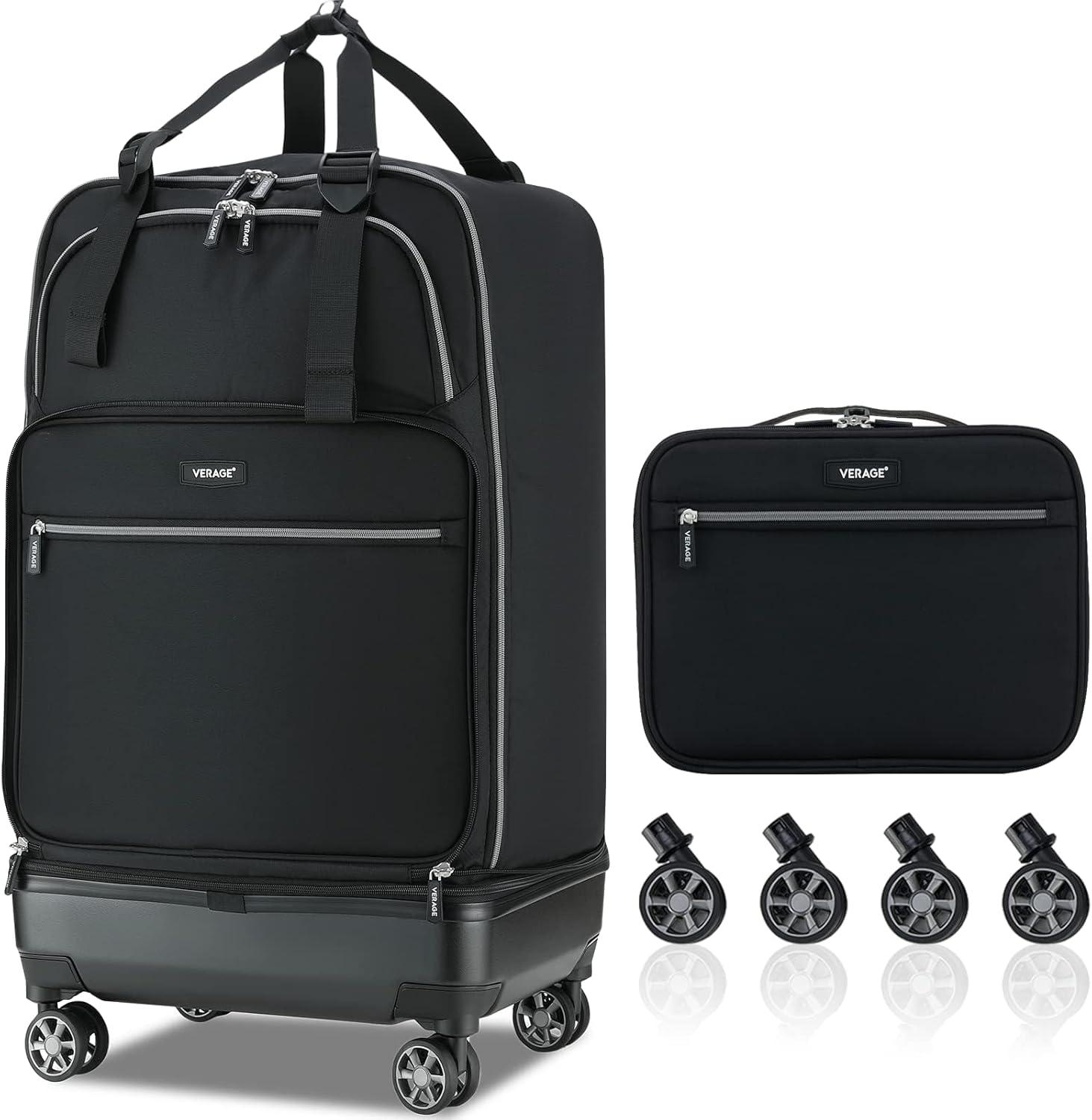
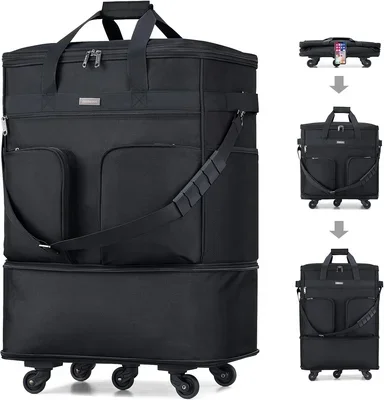
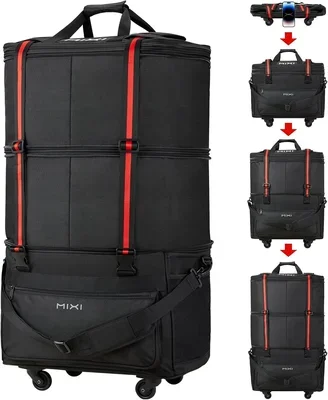
Traveling light used to mean leaving half your wardrobe behind, but collapsible expanding luggage changes that equation. These bags give you the compact footprint of a carry‑on when you’re navigating tight overhead bins, then unfold to reveal a surprisingly generous interior for souvenirs, extra layers, or that last‑minute business‑trip purchase. In this guide we’ll walk through every angle you need to consider — from frame materials and zipper quality to warranty terms and the best times to snag a deal — so you can walk into a store or click “add to cart” with total confidence.
We’ve spent years testing, reviewing, and talking to frequent flyers, weekend warriors, and professional organizers. The result is a step‑by‑step buying framework that prioritizes the features that actually affect your travel experience. Whether you’re a budget‑conscious student, a business traveler who values a polished look, or an adventure seeker who needs rugged durability, you’ll find a clear path to the right piece of luggage.
What to Look for When Buying Collapsible Expanding Luggage
1. Frame Construction and Material
The skeleton of a collapsible bag determines how well it holds shape when expanded and how flat it folds when collapsed. Most models use either a lightweight aluminum alloy frame or a high‑density polymer frame. Aluminum offers a premium feel, excellent rigidity, and resistance to bending, but it adds a few ounces. Polymer frames are lighter and often cheaper, yet they can flex under heavy loads, leading to a slightly wobbly feel when the bag is fully expanded. Look for reinforced corner brackets and double‑stitched seams where the frame meets the fabric — these are the first points to fail under stress.
2. Fabric Durability and Water Resistance
Fabric is the skin that protects your belongings. Ballistic nylon (typically 1680D) and high‑tenacity polyester (around 1200D) are the industry standards for abrasion resistance. A DWR (durable water repellent) coating helps shed light rain and spills, but it isn’t a substitute for a true waterproof liner. If you frequently travel to wet climates, consider a model with a laminated TPU backing or an integrated rain cover that stows in a dedicated pocket.
3. Expansion Mechanism and Zipper Quality
The expansion zipper is the heart of the “expanding” promise. YKK or SBS zippers with self‑locking sliders are the gold standard; they resist snagging and stay closed under pressure. A dual‑track zipper (one track for the main compartment, a second for the expansion gusset) distributes strain more evenly than a single‑track design. Test the zipper by pulling it fully open and closed several times — it should glide without catching, and the teeth should stay aligned.
4. Wheel System and Maneuverability
Four‑wheel spinner systems have become the norm because they allow 360‑degree movement, reducing wrist strain on long terminal walks. Look for wheels with sealed ball bearings and a polyurethane tread — these roll smoothly on tile, carpet, and cobblestones alike. Two‑wheel “inline” designs are lighter and often more durable on rough terrain, but they require tilting the bag. If you frequently navigate crowded airports, spinners are usually worth the extra weight.
5. Handle Ergonomics and Locking Mechanism
A telescoping handle should extend in at least three height settings to accommodate different user heights. The grip material matters: soft‑touch rubber or contoured foam reduces hand fatigue. The locking button must engage positively with an audible click; a loose lock can cause the handle to collapse unexpectedly. Some premium models add a secondary “push‑button” release for one‑handed operation — handy when you’re juggling a coffee and a boarding pass.
6. Interior Organization and Compression Straps
Internal dividers, mesh pockets, and compression straps keep clothes from shifting during transit. A full‑length zippered divider creates two separate compartments, ideal for separating clean and dirty laundry. Compression straps (usually elastic with a buckle) let you cinch down the load, maximizing the expanded volume while minimizing wrinkles. Check that the straps are anchored to the frame, not just sewn into the lining, for long‑term reliability.
7. Weight and Airline Compliance
Every ounce counts when you’re up against strict carry‑on limits (often 22 × 14 × 9 in for U.S. domestic flights). A collapsible bag that weighs 6 lb empty leaves little room for your gear. Aim for a sub‑5 lb weight for a 22‑inch model. Also verify that the collapsed dimensions meet the “personal item” size if you plan to stow it under the seat — some bags collapse to a thin profile but still exceed the depth allowance.
8. Warranty, Customer Support, and Repair Network
A solid warranty signals manufacturer confidence. Look for a minimum of a 5‑year limited warranty covering frame, zippers, and wheels. Brands with authorized repair centers or a “lifetime repair” program (often for a nominal fee) can extend the usable life of a bag by years. Read the fine print: some warranties exclude damage from airline handling, which is the most common cause of failure.
Different Types of Collapsible Expanding Luggage

Common Buying Mistakes to Avoid
❌ Mistake: Choosing the Lightest Bag Without Checking Frame Strength
Why it’s bad: Ultra‑light models often sacrifice frame rigidity, causing the bag to bow under a full load and making the wheels drag.
What to do instead: Prioritize a balanced weight‑to‑strength ratio. A 4.8 lb bag with an aluminum frame will outlast a 3.5 lb bag with a thin polymer frame.
❌ Mistake: Ignoring the Expansion Zipper’s Track Design
Why it’s bad: Single‑track zippers concentrate stress on one line of teeth, leading to premature failure when the bag is overstuffed.
What to do instead: Seek dual‑track or reinforced gusset zippers; they distribute force and stay functional longer.
❌ Mistake: Overlooking Airline Size Restrictions in Collapsed State
Why it’s bad: Some bags collapse to a thin profile but still exceed the depth limit for a personal item, forcing you to gate‑check.
What to do instead: Measure the collapsed dimensions yourself (including wheels and handles) and compare them to your most‑used airline’s specs.
❌ Mistake: Assuming All Spinners Are Equal
Why it’s bad: Cheap spinners use plastic hubcaps that crack on rough pavement, turning a smooth roll into a wobble.
What to do instead: Verify sealed ball bearings and polyurethane tread; spin the wheel by hand — it should rotate freely for several seconds.
❌ Mistake: Skipping Warranty Registration
Why it’s bad: Many brands require online registration within 30 days to activate the full warranty period.
What to do instead: Register immediately after purchase; keep the receipt and a photo of the serial tag.
❌ Mistake: Buying Based Solely on Brand Name
Why it’s bad: Established brands sometimes coast on reputation while newer entrants offer better value and innovative features.
What to do instead: Compare specs side‑by‑side; read recent user reviews (last 12 months) for real‑world durability data.
❌ Mistake: Neglecting Interior Organization Features
Why it’s bad: A cavernous interior without dividers turns into a chaotic mess, making packing and unpacking a chore.
What to do instead: Look for at least one full‑length divider, a zippered mesh pocket, and adjustable compression straps.
Budget Guidelines: How Much Should You Spend?
Entry‑Level ($70 – $130)
At this price you’ll find basic soft‑shell expandable carry‑ons with polymer frames, two‑wheel inline systems, and single‑track expansion zippers. Expect modest fabric denier (around 600D polyester) and a 1‑year limited warranty. These bags are fine for occasional leisure trips, but they may show wear on wheels and zipper teeth after a few heavy‑load journeys.
Mid‑Range ($130 – $250)
This is the sweet spot for most travelers. You’ll get ballistic nylon or high‑tenacity polyester, aluminum or reinforced polymer frames, four‑wheel spinners with sealed bearings, dual‑track expansion zippers, and a 5‑year warranty. Interior organization usually includes a full divider, mesh pockets, and compression straps. Brands in this tier often have repair centers in major cities.
Premium ($250 – $400)
Premium models add hard‑shell polycarbonate or aluminum‑magnesium alloy shells, precision‑machined telescoping handles with multiple lock positions, and proprietary wheel systems that are virtually silent. Expansion gussets are reinforced with thermoplastic polyurethane (TPU) tape. Warranties extend to 10 years or lifetime repair programs. These bags survive the rigors of weekly business travel and still look sharp after years.
Luxury ($400 +)
Luxury luggage leans into craftsmanship: hand‑stitched leather accents, custom‑fit interior liners, integrated TSA‑approved locks with biometric options, and modular accessory ecosystems (e.g., detachable garment bags, tech organizers). Weight is often higher due to premium materials, but the resale value remains strong. Purchase only if you value aesthetics and brand prestige as much as function.
Expert Tips for Getting the Best Deal
- Shop Off‑Season: Major retailers discount luggage in January (post‑holiday) and September (back‑to‑school). You can often snag a mid‑range bag for entry‑level pricing.
- Sign Up for Brand Newsletters: Many manufacturers send a 10‑15 % welcome coupon plus early‑access to flash sales.
- Check Authorized Refurbished Programs: Brands like Briggs & Riley and Travelpro sell factory‑refurbished units with full warranties at 30‑40 % off.
- Use Price‑Tracking Tools: Browser extensions (e.g., Honey, CamelCamelCamel) alert you when a specific model drops below your target price.
- Leverage Credit‑Card Travel Perks: Some premium cards offer statement credits for luggage purchases or complimentary baggage insurance.
- Test In‑Store, Buy Online: Feel the handle, spin the wheels, and test the expansion in person, then purchase from the lowest‑priced authorized dealer.
- Read Return Policies Carefully: A 30‑day no‑questions‑asked return window lets you do a real‑world trial on your next trip.
- Bundle with Accessories: Some retailers throw in packing cubes, a toiletry kit, or a luggage tag when you buy a suitcase — effectively lowering the per‑item cost.

Frequently Asked Questions
Q: How does a collapsible expanding bag differ from a regular expandable suitcase?
A: A regular expandable suitcase only adds depth via a zipper gusset; its frame stays the same size. A collapsible expanding bag has a frame that folds flat, reducing the overall thickness to a few inches when not in use, which is ideal for storage in tight closets or under beds.
Q: Can I use a collapsible expanding carry‑on as a checked bag?
A: Yes, most models meet checked‑bag size limits when fully expanded. However, the lighter frame may be more vulnerable to rough baggage handling, so consider a hard‑shell version if you plan to check it frequently.
Q: Are collapsible bags allowed as a personal item on budget airlines?
A: When fully collapsed, many fit the typical 18 × 14 × 8 in personal‑item envelope. Always measure your specific bag (including wheels and handle) and verify the airline’s current dimensions before you fly.
Q: What maintenance does the expansion zipper need?
A: Periodically run a zipper lubricant (silicone‑based) along the teeth and work the slider back and forth. Clean any grit with a soft brush. This prevents the zipper from seizing when the bag is fully packed.
Q: How do I clean the fabric without damaging the DWR coating?
A: Spot‑clean with a mild detergent and a damp cloth. Avoid machine washing; the agitation can delaminate the water‑repellent layer. For deep cleaning, use a specialized gear‑wash product and re‑apply a spray‑on DWR afterward.
Q: Is a lifetime warranty worth the extra cost?
A: If you travel more than four times a year, a lifetime repair program can save you the price of a new bag within three to five years. For occasional travelers, a solid 5‑year limited warranty is usually sufficient.
Q: Can I replace wheels myself?
A: Many mid‑range and premium models use standardized wheel housings with screw‑in axles. Replacement kits are sold by the manufacturer or third‑party sellers. Check the product manual for the exact part number.
Q: What’s the best way to store a collapsible bag long‑term?
A: Collapse it fully, remove any compression straps, and store it in a breathable cotton bag (not plastic) in a climate‑controlled area. This prevents mold on the fabric and keeps the frame from developing permanent bends.
Q: Do collapsible bags have a weight penalty compared to non‑collapsible ones?
A: The folding mechanism adds roughly 0.5‑1 lb. For most travelers the storage convenience outweighs the minor weight increase, especially when the bag stays in a closet between trips.
Our Final Recommendations
- Best for Budget‑Conscious Buyers: Travelpro Maxlite 5 Expandable Carry‑On — 4.2 lb, 600D polyester, two‑wheel inline, 5‑year warranty. Delivers reliable expansion at a sub‑$120 price point.
- Best Overall Value: Samsonite Freeform Hardside Expandable Spinner — 5.5 lb, polycarbonate shell, four double‑spinner wheels, dual‑track expansion zipper, 10‑year limited warranty. Balances durability, weight, and price around $200.
- Best Premium Option: Briggs & Riley Baseline Domestic Carry‑On Expandable — 6.0 lb, ballistic nylon, aluminum frame, CX expansion system, lifetime repair guarantee. Ideal for weekly business travelers who need a bag that lasts a decade.
- Best for Beginners: Amazon Basics Softside Expandable Carry‑On — 4.5 lb, simple two‑wheel design, single‑track zipper, 1‑year warranty. Easy to use, low risk for first‑time buyers.
- Best for Advanced Users: Peak Design Travel Duffel 45L — 3.8 lb, hybrid frame, weather‑proof 400D nylon, modular packing cubes, lifetime warranty. Perfect for photographers and gear‑heavy adventurers who need quick access and ruggedness.
Conclusion: Making the Right Choice
Choosing collapsible expanding luggage is ultimately about matching the bag’s engineering to your travel rhythm. Start by defining the non‑negotiables — weight limit, airline size rules, and how often you’ll expand the bag — then filter by frame material, wheel quality, and warranty coverage. The mid‑range tier typically delivers the best blend of durability, organization, and price for the majority of flyers, while premium and luxury models cater to heavy‑use professionals and style‑focused travelers.
Remember that a suitcase is a long‑term companion. Investing a little extra in a robust frame, smooth spinners, and a trustworthy warranty pays off in fewer headaches at the carousel and more space for the memories you bring home. Use the checklist above, test a few models in person if you can, and don’t hesitate to leverage seasonal sales or refurbished programs to stretch your budget.
Safe travels, and may your next packing session be as smooth as the wheels on your new bag.