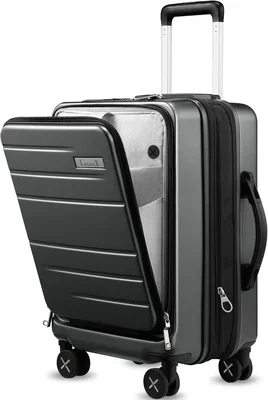
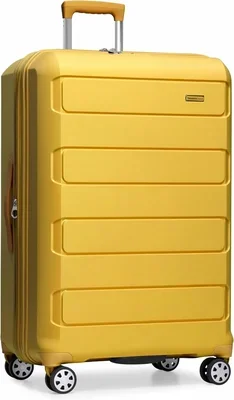
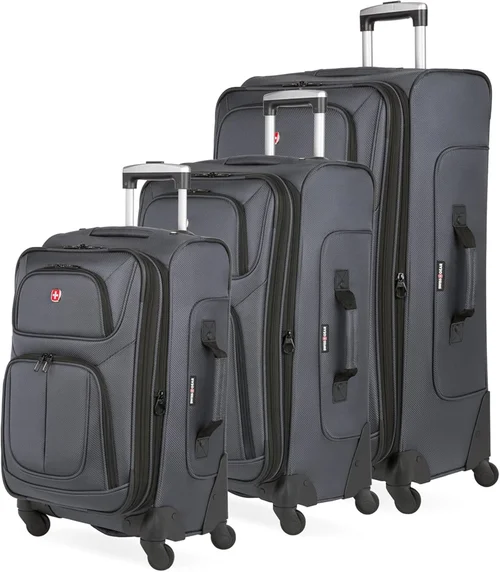
If you have ever stood at a baggage carousel watching the same black suitcases circle endlessly while your connecting flight boards in twenty minutes, you already understand why the right carry-on changes everything. The Gatwick International expandable carry-on luggage line has earned a loyal following among frequent flyers, business travelers, and weekend adventurers because it solves the central tension of modern air travel: you need maximum packing capacity without sacrificing the ability to slide into an overhead bin. This guide walks you through every decision point so you can choose the model that fits your travel style, your budget, and the airline rules you actually encounter.
We will cover the critical specifications that separate a durable travel companion from a one-season wonder, decode the marketing jargon that clutters product pages, compare budget-friendly options against premium upgrades, and highlight the common mistakes that cost travelers money and frustration. By the end, you will know exactly which features matter for your typical itinerary and which ones are simply nice to have.

What to Look for When Buying Gatwick International Expandable Carry-On Luggage
1. Airline Size Compliance and Real-World Dimensions
The single most important factor is whether the bag fits the sizer at your most-used airline. Manufacturers often list exterior dimensions that include wheels and handles, but the metal frame at the gate measures the rigid shell. Gatwick International models typically advertise 22 x 14 x 9 inches, which aligns with the standard domestic U.S. limit. However, international carriers like British Airways, Lufthansa, or Ryanair often enforce stricter limits such as 21.5 x 15.5 x 9 inches or even 21.6 x 15.7 x 7.8 inches. Before purchasing, pull up the baggage policy for the three airlines you fly most often and compare the published maximums against the bag’s actual body dimensions, not the expanded size.
Expandability adds roughly 1.5 to 2 inches of depth. That extra space is fantastic for the return trip when you have souvenirs, but it renders the bag non-compliant for overhead bins. Treat the expanded mode as a checked-bag feature or a road-trip bonus, not a carry-on guarantee. If you frequently fly basic economy on U.S. carriers, remember that some gates now enforce personal-item-only rules for the cheapest fares; in those cases, even a compliant carry-on must be gate-checked. A slightly smaller 20-inch model from the same line may save you that headache.
2. Shell Material: Polycarbonate vs. ABS vs. Hybrid Blends
The shell determines weight, impact resistance, and how the bag looks after fifty trips. Gatwick International uses three primary constructions. Pure polycarbonate is the gold standard for carry-ons: it flexes under impact rather than cracking, resists temperature extremes, and keeps weight low, usually under 7.5 pounds for a 22-inch spinner. ABS (acrylonitrile butadiene styrene) is cheaper and more rigid but brittle; a hard hit on a frozen tarmac can spider-web the corner. Hybrid blends layer polycarbonate over an ABS core to cut cost while retaining some flex.
For a bag you intend to keep five years or more, prioritize 100 percent polycarbonate or a high-percentage blend. Check the product specifications for terms like “Makrolon” or “Bayer polycarbonate,” which indicate premium resin grades. If the listing only says “hard shell” or “durable plastic” without naming the polymer, assume it is ABS or a low-grade blend. The weight difference between a 6.8-pound polycarbonate spinner and an 8.2-pound ABS model feels negligible in the store but adds up when you are sprinting through a terminal with a 40-pound pack on your back.
3. Wheel System: Spinner vs. Inline, Bearing Quality, and Replaceability
Four-wheel spinners dominate the market because they glide beside you instead of dragging behind, reducing wrist strain. Gatwick International spinners typically use double-wheel sets, eight wheels total, which distribute load better than single wheels and handle cobblestones or carpet transitions more smoothly. Look for sealed ball bearings rather than simple bushings; bearings roll longer with less effort and resist grit intrusion. Some premium models feature Hinomoto or Japanese-made wheels, widely regarded as the smoothest and most durable in the industry.
Equally important is whether the wheels are riveted or bolted. Riveted wheels cannot be replaced without drilling; bolted wheels can be swapped in five minutes with a screwdriver. If you travel weekly, bolted wheels extend the bag’s life indefinitely. Inline two-wheel models still exist in the lineup and excel on rough pavement or snow because the larger diameter wheels bridge gaps better, but they require tilting and pulling, which stresses your shoulder over long distances.
4. Handle System: Telescoping Mechanism, Grip Ergonomics, and Lock Integration
The telescoping handle is the interface between you and the bag. Gatwick International handles usually offer three or four height stops. Test each stop; the lock should engage with a positive click and zero wobble. Aluminum tubes with anodized finish resist corrosion better than painted steel. The grip material matters more than most buyers realize: a contoured rubber or thermoplastic elastomer (TPE) grip reduces hand fatigue on 20-minute walks between gates, while hard plastic becomes slippery with sweat.
Integrated TSA-approved combination locks are standard on mid-range and premium models. The lock shackle should be thick enough to resist bolt cutters but thin enough to pass through the zipper pulls. Some newer Gatwick International models add a USB pass-through port with an internal power bank pocket. This is convenient but remember that airlines require power banks to be removable; if the pocket is sewn shut, you cannot comply without cutting stitches. Verify the pocket uses Velcro or a zipper for easy battery removal.
5. Interior Organization: Compression, Dividers, and Access Pockets
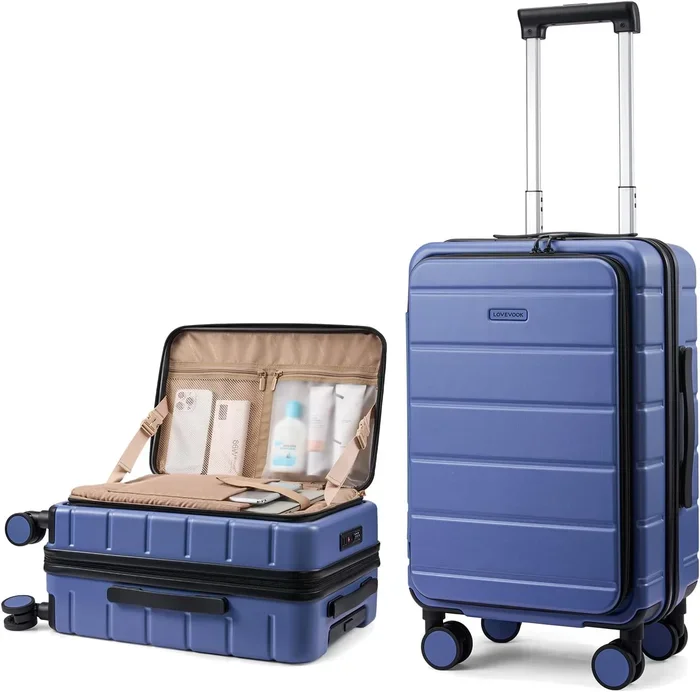
A well-designed interior turns a chaotic pile into a structured system. Gatwick International carry-ons typically feature a clamshell opening with a zippered divider panel on one side and compression straps on the other. The divider panel should have a full-length zipper so you can access both halves independently; half-zip dividers force you to unpack everything to reach the bottom. Look for a mesh pocket on the divider for underwear, socks, or cables.
Compression straps with quick-release buckles cinch clothing flat, reducing wrinkles and creating space for the expansion zipper. Some models add a removable wet/dry pouch or a dedicated laptop sleeve that unzips and lays flat for TSA screening. If you carry a 15-inch laptop, confirm the sleeve dimensions; many “laptop compartments” only fit 13-inch ultrabooks. A full-length front pocket on the exterior is invaluable for boarding passes, passport, and a Kindle, but it adds external bulk that may push the bag over the sizer limit.
6. Expandable Mechanism: Zipper Quality, Gusset Construction, and Structural Integrity
The expansion zipper is a stress point. Gatwick International uses a secondary zipper track that reveals a fabric gusset, typically nylon or polyester, adding 15 to 25 percent volume. The gusset should be reinforced with a binding tape and double-stitched; single stitching tears when the bag is overstuffed. YKK or SBS branded zippers with large tooth size (number 8 or 10) resist snagging. Test the expansion zipper in the store: it should glide without catching on the gusset fabric.
When expanded, the bag’s center of gravity shifts. A well-designed gusset expands evenly around the perimeter so the bag remains balanced on its wheels. Cheaper designs expand only on one side, causing the bag to tip over when upright. Also check that the expanded profile still clears the overhead bin depth on your primary airline; some 22-inch expandables become 11 inches deep, exceeding the 9-inch limit on many narrow-body aircraft.
7. Weight and Packing Efficiency
Every ounce of bag weight subtracts from your payload. Most airlines allow 15 to 22 pounds for carry-on weight, though enforcement varies. A 6.5-pound polycarbonate spinner leaves you 15+ pounds for belongings on a 22-pound limit. An 8.5-pound ABS model leaves only 13.5 pounds. Over a two-week trip, that difference equals a pair of shoes, a jacket, or a gift for your host.
Packing efficiency also depends on interior geometry. Rounded corners waste space; squared-off corners maximize volume. Some Gatwick International models use a “flat-top” lid design that adds a liter of usable space without increasing external dimensions. If you pack cubes, measure your cubes against the interior length and width; a 22-inch bag with a tapered interior may not fit standard packing cubes side by side.
8. Warranty, Repair Network, and Brand Support
Gatwick International offers a limited lifetime warranty on most models, covering defects in materials and workmanship. Read the fine print: “lifetime” often means the expected life of the product, not your lifetime. Key questions: Does the warranty cover airline damage? (Usually not.) Are wheels and handles considered wear items excluded from coverage? Is there an authorized repair center in your country, or must you ship the bag to the UK at your expense? A warranty backed by a global repair network—such as those partnered with luggage retailers like Luggage Forward or local leather goods shops—adds real value.
Register your bag online immediately after purchase; some brands extend coverage only to registered owners. Keep the receipt and take photos of the serial number tag (usually inside the main compartment). If a wheel cracks or a handle jams, you want a smooth claim process, not a six-week email chain.
Different Types of Gatwick International Expandable Carry-On Luggage

Common Buying Mistakes to Avoid
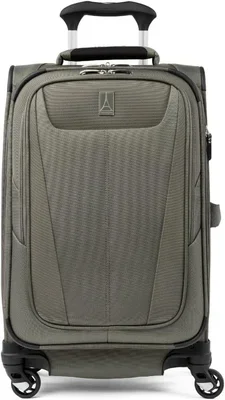
❌ Mistake: Buying Based Only on Sticker Dimensions
Why it’s bad: The dimensions printed on the hang tag often reflect the interior capacity or the body without wheels and handles. Airlines measure the extreme exterior. A bag labeled “22-inch carry-on” may actually measure 23.5 inches with wheels, guaranteeing a gate check fee.
What to do instead: Bring a tape measure to the store or verify the “overall dimensions” specification on the manufacturer’s website. Add half an inch for manufacturing tolerance.
❌ Mistake: Ignoring Weight Until You’re at the Check-In Counter
Why it’s bad: European and Asian low-cost carriers weigh every carry-on at the gate. A 9-pound bag leaves you 6 kilograms (13.2 pounds) for contents on a 7 kg limit. That is barely a laptop, a change of clothes, and a toiletry kit.
What to do instead: Target a bag under 7 pounds (3.2 kg) for international travel. Weigh your packed bag at home with a luggage scale before every trip.
❌ Mistake: Choosing Expandability Over Compliance
Why it’s bad: The expansion zipper is tempting, but an expanded bag will not fit in the sizer. If you rely on expansion for your outbound packing, you have no room for returns and risk a $75+ gate-check fee.
What to do instead: Pack to the non-expanded size. Use the expansion only for the return leg when you can check the bag if needed.
❌ Mistake: Overlooking Wheel Replacement Options
Why it’s bad: Wheels are the first component to fail. Riveted wheels mean a $200 bag becomes e-waste when one wheel cracks.
What to do instead: Confirm bolted wheels or a manufacturer wheel-replacement program. Keep the receipt and product code for ordering spares.
❌ Mistake: Assuming All TSA Locks Are Equal
Why it’s bad: Cheap locks jam, forcing TSA to cut them off. You lose the lock and the zipper pulls.
What to do instead: Test the lock mechanism in store. It should turn smoothly through all three digits. Prefer Travel Sentry certified locks with a red diamond logo.
❌ Mistake: Skipping the Interior Inspection
Why it’s bad: Sharp rivet backs, rough seam tape, or exposed screw posts inside the shell can snag or tear clothing.
What to do instead: Unzip the divider fully and run your hand along every interior surface. Feel for burrs, rough edges, or protruding hardware.
❌ Mistake: Buying Without a Return Window Test
Why it’s bad: A bag that rolls perfectly on a showroom floor may wobble on your home’s tile or catch on your carpet.
What to do instead: Purchase from a retailer with a 30-day no-questions return policy. Test the bag fully loaded on your home surfaces before your first trip.
Budget Guidelines: How Much Should You Spend?
Understanding the price tiers helps you align expectations with reality. The Gatwick International expandable carry-on luggage range spans roughly $90 to $320. Here is what each tier delivers.
Entry-Level ($90 – $140): ABS Hybrid Spinners
At this price, you get a 22-inch spinner with double wheels, a basic telescoping handle, and an expansion zipper. The shell is an ABS-polycarbonate blend. Weight typically falls between 8 and 9 pounds. The interior has a single divider and compression straps but no laptop sleeve or wet pocket. Zippers are unbranded or generic coil zippers. The warranty is usually two to three years, not lifetime. These bags suit travelers who fly two to three times a year, stick to domestic routes with generous overhead bins, and handle their own luggage gently. They will show scuffs quickly, and the wheels may develop a wobble after 20-30 segments.
Mid-Range ($150 – $220): Polycarbonate Spinners with Enhanced Features
This is the sweet spot for most travelers. The shell is 100 percent polycarbonate, often Makrolon or equivalent grade. Weight drops to 6.5-7.2 pounds. Wheels are double-spinner sets with sealed bearings, often Hinomoto or equivalent. The handle has four stops and a rubberized grip. Interior adds a full-zip divider with mesh pocket, a removable wet/dry pouch, and sometimes a padded laptop sleeve. Zippers are YKK or SBS number 8. The expansion gusset is double-stitched with binding tape. Warranty extends to limited lifetime with repair centers in major countries. This tier handles weekly business travel comfortably and looks professional after years of use.
Premium ($230 – $320): Feature-Packed Polycarbonate with Tech Integration
Premium models add a USB pass-through port with a dedicated power bank pocket (battery not included), premium Hinomoto Lisof Silent Run wheels, a magnesium or reinforced aluminum telescoping handle, and sometimes a built-in AirTag/Tracki tile holder. The shell may use a textured micro-diamond finish that hides scratches better than gloss. Interior organization includes a suiter clip for a blazer, a separate shoe compartment, and RFID-blocking passport pocket. Weight stays under 7 pounds despite added features. Warranty includes “no-questions” airline damage coverage for the first year on some models. This tier targets digital nomads, weekly flyers, and travelers who want a single bag for a decade.
Luxury ($320+): Limited Editions and Collaborations
Above $320 you enter collaboration territory—designer prints, leather accents, carbon-fiber trim, or numbered editions. The core performance rarely exceeds the premium tier; you pay for aesthetics and exclusivity. If you view luggage as a style statement and replace bags every few seasons, this tier makes sense. If you want pure function, the premium tier delivers 95 percent of the performance for 70 percent of the cost.
Expert Tips for Getting the Best Deal
Smart purchasing saves money without sacrificing quality. Apply these strategies before you click buy.
- Time your purchase. Luggage goes on deep discount three times a year: January post-holiday clearance, May pre-summer travel season, and November Black Friday through Cyber Monday. Gatwick International often runs 25-35 percent off during these windows. Sign up for the brand newsletter for early-access codes.
- Check authorized outlet stores. Gatwick International operates outlet locations in several UK and US premium outlet malls. You can find last-season colors at 40-50 percent off with full warranty. Call ahead for stock.
- Compare total cost, not list price. Factor in shipping, tax, and potential return shipping. A $199 bag with free two-day shipping and free returns beats a $179 bag with $15 shipping and a $20 restocking fee.
- Leverage credit card benefits. Many premium travel cards (Chase Sapphire Reserve, Amex Platinum, Capital One Venture X) offer purchase protection that extends the manufacturer warranty by one to two years and covers theft or damage within 90-120 days. Pay with the right card.
- Buy a floor model. Specialty luggage shops often sell display models at 20-30 percent off. Inspect for scratches, but the internals are untouched. Ask for the full warranty to start from your purchase date.
- Bundle with packing cubes. Some retailers bundle a set of compression packing cubes (worth $30-40) with the carry-on during promotions. The cubes improve organization and effectively lower the bag’s net cost.
- Register immediately for warranty extensions. Some brands add an extra year of coverage just for registering within 30 days. Do it before you pack for the first trip.
- Consider refurbished. Gatwick International’s own refurbished store (when available) sells returned or cosmetic-blemish bags with a full warranty at 30-40 percent off. These are often open-box returns from buyers who changed their mind, not damaged goods.

Frequently Asked Questions
Q: Does the Gatwick International expandable carry-on fit in the overhead bin of a Boeing 737 or Airbus A320?
A: Yes, the non-expanded 22-inch model fits wheels-first in standard overhead bins on 737, A320, A321, and 757 aircraft. The expanded mode will not fit. On regional jets (CRJ, ERJ, E-Jets), even the non-expanded 22-inch may need to be gate-checked; the 20-inch or underseat model is safer for those routes.
Q: Can I replace the wheels myself if one breaks?
A: On most current Gatwick International spinner models, yes. The wheels are bolted with two Phillips or Torx screws accessible from inside the wheel well. Replacement wheel kits cost $15-25 per wheel and are available from the manufacturer’s parts website or authorized dealers. Inline two-wheel models use a different axle system; check the specific model’s service manual.
Q: Is the USB charging port TSA compliant?
A: The port itself is just a pass-through cable. TSA compliance depends on the power bank. You must use a power bank under 100Wh (approx. 27,000mAh) and it must be removable. The bag’s internal pocket must allow you to remove the power bank without tools. If the pocket is sewn shut, the bag is not compliant. Verify the pocket closure before buying.
Q: How do I clean the polycarbonate shell without damaging the finish?
A: Use a microfiber cloth dampened with warm water and a drop of mild dish soap. Wipe gently, then dry with a clean microfiber. Avoid alcohol, acetone, ammonia-based cleaners, or abrasive pads; they can cloud the clear coat or remove the textured finish. For scuff marks, a magic eraser (melamine foam) used very lightly can help, but test on an inconspicuous spot first.
Q: What is the actual weight of the 22-inch polycarbonate spinner?
A: Current production runs weigh 6.8 pounds (3.1 kg) for the standard model and 7.1 pounds (3.2 kg) for the USB-equipped model. Weights can vary by ±0.2 pounds due to manufacturing tolerances. Always weigh your specific unit before a trip with a strict weight limit.
Q: Does the expansion zipper weaken the bag’s structure?
A: When closed, the expansion zipper track is reinforced with a double layer of shell material and an internal binding tape. It does not compromise impact resistance. When open, the fabric gusset is the only structure; the bag becomes less rigid and can deform if overpacked. Do not sit on or stack heavy items on an expanded bag.
Q: Can I check this bag if I need to?
A: Yes, the polycarbonate shell handles checked baggage systems well. However, TSA locks are not secure against determined theft; use a cable tie or a separate high-security lock on the zipper pulls if checking. Remove the power bank and any valuables. The warranty typically does not cover conveyor belt damage, so inspect the bag immediately upon retrieval.
Q: How does the handle height compare to other brands?
A: The four-stop handle extends to 41 inches at the highest setting, accommodating users up to 6’4″ comfortably. The lowest stop at 34 inches works for users around 5’2″. If you are outside this range, test the handle in person; some competitors offer a fifth stop or a longer stroke.
Q: Are replacement parts available for older discontinued models?
A: Gatwick International maintains a parts inventory for models sold within the last seven years. Wheels, handles, zipper pulls, and lock mechanisms are the most common parts. Contact customer service with the model number (found on the white label inside the main compartment) to confirm availability.
Q: What is the difference between the “International” and “Domestic” model lines?
A: The International line is sized to meet the stricter IATA carry-on recommendations (21.5 x 13.5 x 9 inches) and uses lighter materials to meet lower weight limits common on non-U.S. carriers. The Domestic line maximizes the U.S. 22 x 14 x 9 allowance and may be slightly heavier. If you fly 50/50 domestic and international, the International line is the safer single-bag choice.
Our Final Recommendations
Best for Budget-Conscious Buyers: Gatwick International ABS Hybrid 22″ Spinner (~$110)
If you fly fewer than four times a year, mostly domestic, and treat your luggage gently, this bag delivers 80 percent of the experience for half the price of the premium model. Accept the extra 1.5 pounds and plan to replace it in three to four years. Choose a dark color to hide scuffs.
Best Overall Value: Gatwick International Polycarbonate 22″ Spinner (~$185)
This is the bag I recommend to friends who ask for “one good carry-on.” The Makrolon shell, Hinomoto wheels, YKK zippers, and lifetime warranty cover every base that matters. Weight at 6.8 pounds leaves ample payload. Interior organization handles business or leisure packing equally well. It fits every major airline’s sizer non-expanded.
Best Premium Option: Gatwick International Premium Polycarbonate 22″ with USB Port (~$275)
For the traveler who lives out of a carry-on 40 weeks a year, the silent-run wheels, magnesium handle, integrated power bank pocket, and AirTag sleeve justify the premium. The scratch-hiding texture keeps it looking new. The one-year airline damage coverage is a unique perk that can pay for itself on a single mishandled bag claim.
Best for Beginners: Gatwick International 20″ Polycarbonate Spinner (~$165)
New travelers often overpack. The 20-inch size forces discipline while still fitting a week’s clothing with packing cubes. It fits every regional jet and basic-economy personal item sizer (when not expanded). The lower center of gravity makes it more stable for novice spinner users. Upgrade to the 22-inch later if you need more volume.
Best for Advanced Users: Gatwick International 22″ Inline Two-Wheel (~$175)
Experienced travelers who navigate cobblestones, gravel driveways, snowy sidewalks, or train platforms prefer the larger diameter inline wheels. They roll over gaps that swallow spinner casters. The fixed orientation encourages a natural walking gait. Trade-off: you must tilt and pull, which tires the shoulder on long terminal walks. Choose this if your terrain demands it.
Conclusion: Making the Right Choice
Choosing the right Gatwick International expandable carry-on luggage comes down to matching the bag’s strengths to your travel reality. If you fly weekly on major carriers, the mid-range polycarbonate spinner gives you the lightest weight, smoothest roll, and longest lifespan per dollar. If you fly twice a year on vacation, the ABS hybrid saves you $70 that is better spent on experiences. If you chase regional jets and basic economy fares, the 20-inch or underseat model prevents gate-check surprises.
Remember the hierarchy of needs: airline compliance first, weight second, wheel quality third, organization fourth, aesthetics last. A beautiful bag that gets gate-checked or weighs half your allowance is a poor travel partner. A scratched but compliant, light, and smoothly rolling bag gets you on the plane with your belongings and your sanity intact.
Take the time to measure your most-used airline’s sizer, weigh your typical packed load, and test the handle height against your stride. Buy from a retailer with a generous return window, load the bag at home, and roll it around your house for an evening. That living-room test reveals more than any spec sheet. Your future self—sprinting through a connection with a coffee in one hand and a carry-on gliding effortlessly beside you—will thank you for the homework you did today.
Safe travels, and may your overhead bin always have space.