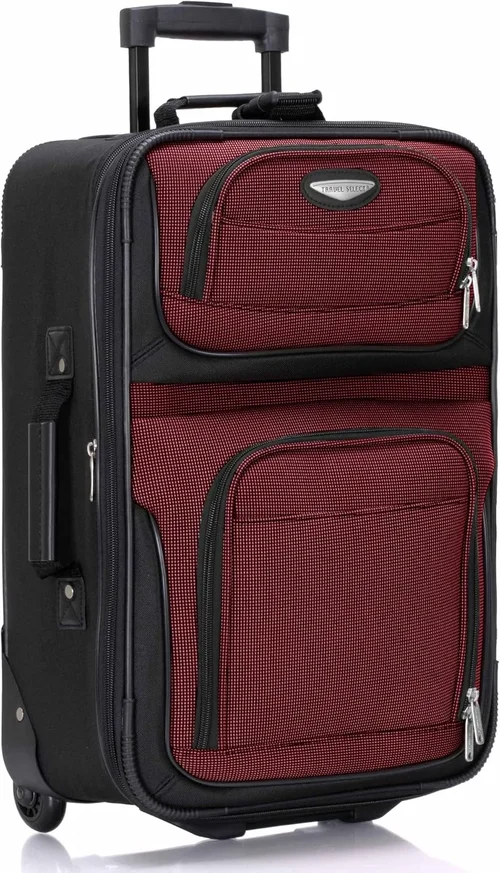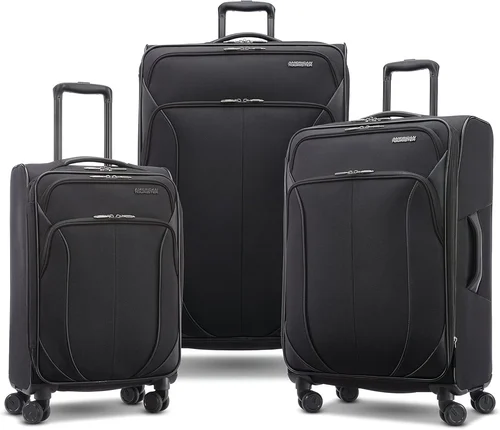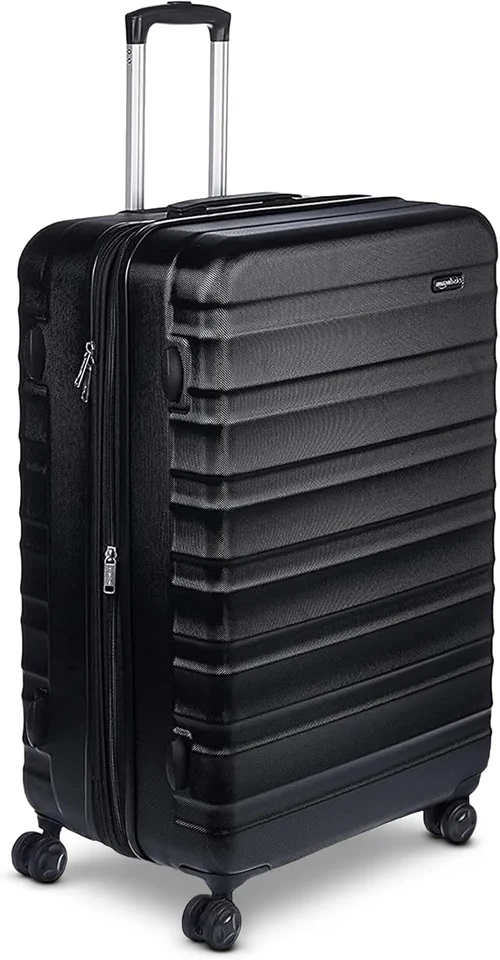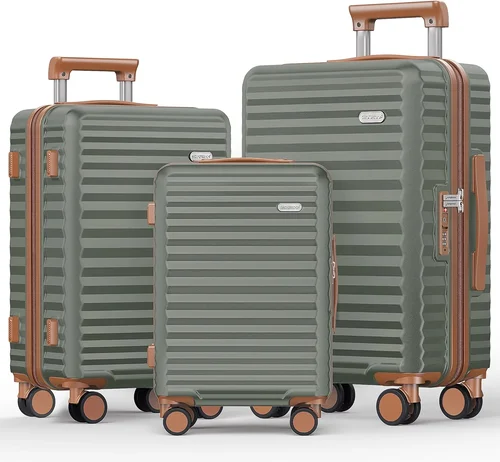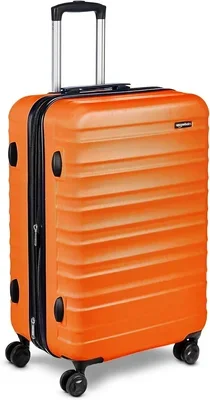
Choosing the right expandable luggage 26 inches spinners can feel like navigating a maze of specifications, brand promises, and price tags. Whether you are a frequent flyer, a weekend road‑tripper, or someone who simply wants a reliable suitcase for occasional travel, the right bag makes every journey smoother. This guide walks you through every critical decision point, translates technical jargon into plain language, and gives you the confidence to pick a suitcase that fits your lifestyle and budget.
In the next sections you will learn which factors matter most, how different suitcase types compare, the common pitfalls that trap unwary shoppers, and a clear budget breakdown so you know exactly what to expect at each price tier. You’ll also get insider tips on timing your purchase, spotting genuine deals, and making the most of warranties. By the end, you’ll have a shortlist of top recommendations tailored to different traveler profiles.

What to Look for When Buying Buying Guide
1. Size & Capacity
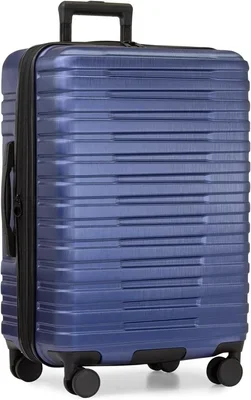
A 26‑inch spinner sits in the sweet spot between carry‑on convenience and checked‑bag capacity. The external dimensions usually hover around 26 × 17 × 11 inches, but the expandable zipper can add 1.5 to 2 inches of depth, giving you up to 20 percent more packing volume. Check the airline’s maximum linear dimensions (length + width + height) before you buy; most major carriers allow up to 62 linear inches for checked bags, so a fully expanded 26‑inch model typically stays within limits. Look for interior compression straps and a divider panel – they keep clothes from shifting and let you separate clean from dirty items.
2. Wheel Quality & Maneuverability
Spinner wheels are the heart of any 26‑inch spinner. Four double‑wheel sets (eight wheels total) distribute weight evenly and allow 360‑degree rolling. Seek wheels made from polyurethane or high‑grade rubber; they absorb vibration on uneven pavement and roll silently on airport terminals. Test the wheel housing – it should be recessed into the shell to protect against curb impacts. A smooth, wobble‑free spin when you push the bag forward is a quick quality check you can do in‑store.
3. Shell Material & Durability
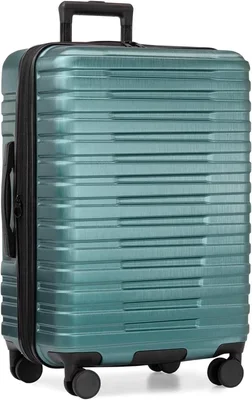
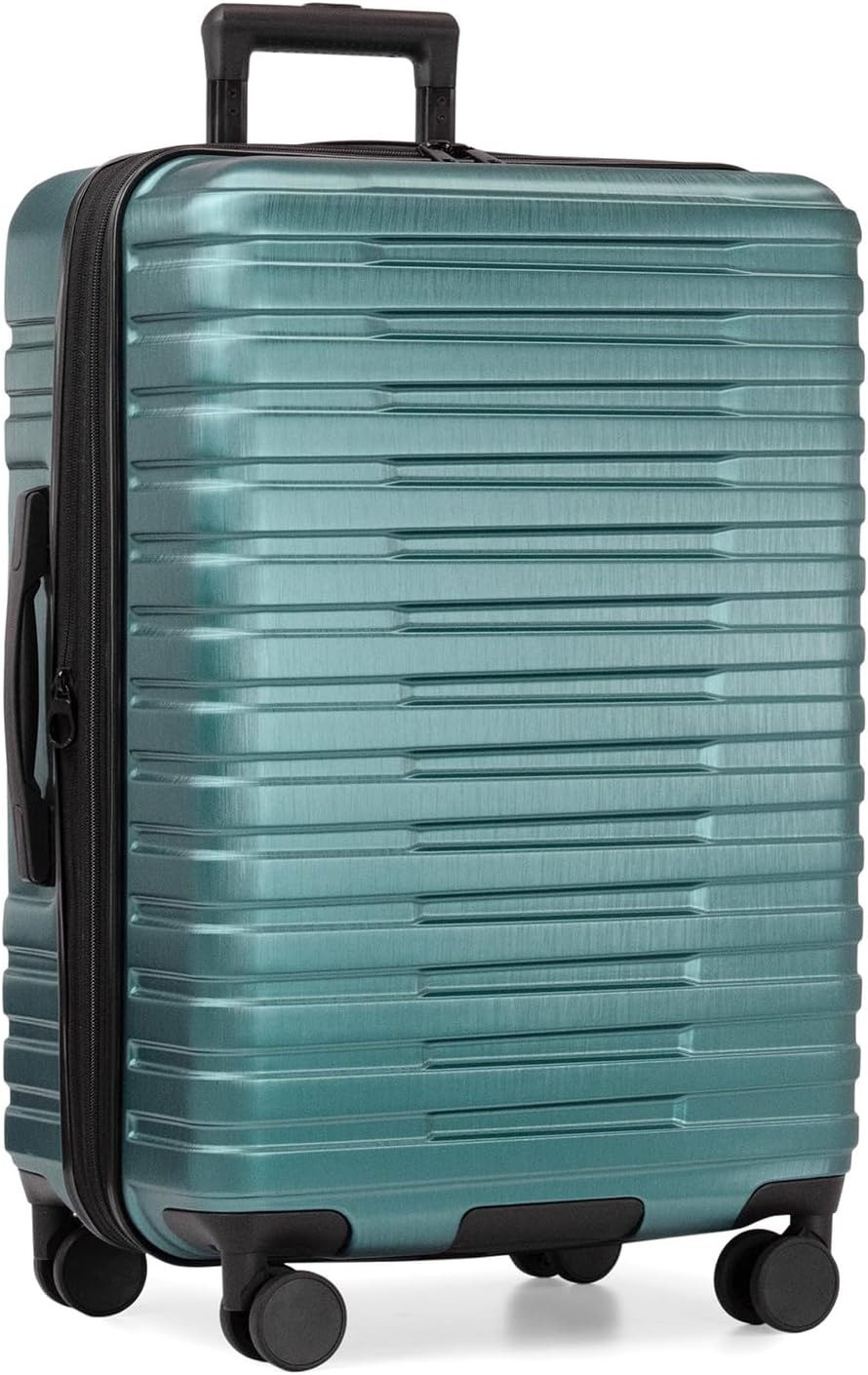
Hard‑shell cases typically use polycarbonate, ABS, or a polycarbonate‑ABS blend. Polycarbonate is the most impact‑resistant and flexes under pressure rather than cracking, making it ideal for frequent flyers. ABS is lighter and cheaper but more prone to dents. Soft‑shell options rely on ballistic nylon or high‑denier polyester; they resist tears and often include external pockets for quick‑access items. Whichever material you choose, look for reinforced corners and a double‑stitched handle attachment – these are the first points to fail under rough handling.
4. Expandable Mechanism
The expandable zipper is the defining feature of this category. A quality expansion uses a YKK or similar brand zipper with a lockable pull tab. The zipper should glide smoothly without snagging, and the gusset (the fabric panel that unfolds) must be reinforced with a double layer of fabric to prevent tearing when the bag is stuffed. Some models add a secondary compression strap that locks the expanded section in place, preventing the zipper from bursting open during transit.
5. Handle System
A telescoping handle should extend in at least three height settings to accommodate different user heights. Aluminum alloy tubes are lighter and sturdier than steel, and a push‑button release that locks securely at each stop is essential. Grip comfort matters too – ergonomic rubberized handles reduce hand fatigue on long walks through terminals. Verify that the handle retracts fully flush with the shell; a protruding handle can snag on conveyor belts.
6. Weight & Packing Efficiency
Every ounce counts when airlines impose strict weight limits. A well‑designed 26‑inch spinner should weigh between 7.5 and 9.5 pounds empty. Lightweight construction often comes from thinner shell walls, so balance weight against durability. Inside, look for a full‑length mesh divider, multiple zippered pockets, and a garment sleeve. These features let you pack efficiently, reducing the need to over‑stuff and risk zipper failure.
7. Security Features
TSA‑approved combination locks are standard on most mid‑range and premium models. They allow security agents to open the bag without cutting the lock. Some premium lines add a built‑in cable lock that secures the zipper pulls together, and a few even integrate a Bluetooth tracker slot. If you travel internationally, a lock that meets both TSA and international standards (like the Travel Sentry certification) gives you peace of mind.
8. Warranty & Customer Support
A solid warranty signals manufacturer confidence. Look for at least a 5‑year limited warranty covering defects in materials and workmanship. Premium brands often offer a lifetime warranty with “repair or replace” service. Check the claim process – online forms, prepaid shipping labels, and responsive customer service make a huge difference when you need a repair on the road.
Different Types of Buying Guide

The table above captures the five most common categories you’ll encounter when shopping for expandable luggage 26 inches spinners. Hard‑shell polycarbonate leads the pack for durability, while ABS blends keep costs down. Soft‑shell ballistic nylon shines when you need quick‑access pockets for travel documents or a water bottle. Hybrid models try to give you the best of both worlds, and premium smart luggage adds connectivity features that can be handy but also add weight and complexity.
Common Buying Mistakes to Avoid
❌ Mistake: Ignoring Airline Size Limits
Why it’s bad: An over‑expanded bag may exceed the 62‑linear‑inch checked‑bag limit, resulting in hefty oversize fees at the gate.
What to do instead: Measure the fully expanded dimensions (including wheels and handles) and compare them to your most‑used airlines’ policies before purchasing.
❌ Mistake: Choosing the Lightest Bag Without Checking Durability
Why it’s bad: Ultra‑light shells often sacrifice corner reinforcement and wheel housing strength, leading to cracks after a few trips.
What to do instead: Aim for a weight between 8‑9 pounds for a 26‑inch spinner; this range usually balances lightness with structural integrity.
❌ Mistake: Overlooking Wheel Housing Design
Why it’s bad: Exposed wheels snap off when the bag is dropped or dragged over curbs, leaving you with a non‑rolling suitcase.
What to do instead: Select models with recessed, double‑wheel housings and a protective bumper ring around each wheel set.
❌ Mistake: Skipping the Expansion Test
Why it’s bad: A stiff or misaligned expansion zipper can jam, forcing you to travel with a partially expanded bag or a broken zipper.
What to do instead: In‑store, fully expand and compress the bag three times. The zipper should glide smoothly each cycle.
❌ Mistake: Buying Based Solely on Brand Name
Why it’s bad: Even reputable brands have entry‑level lines that cut corners on materials and warranty coverage.
What to do instead: Compare the specific model’s specs, warranty length, and user reviews rather than assuming the brand guarantees quality.
❌ Mistake: Neglecting Interior Organization
Why it’s bad: A cavernous interior without dividers leads to wrinkled clothes and lost small items.
What to do instead: Look for a full‑length mesh divider, at least two zippered pockets, and a garment sleeve or compression straps.
Budget Guidelines: How Much Should You Spend?
Entry‑Level ($100 – $150)
At this tier you’ll find mostly ABS hard‑shells or basic polyester soft‑shells. Expect single‑wheel spinners (four wheels total), a simple two‑stage telescoping handle, and a basic TSA lock. Expansion is usually a single gusset with a non‑locking zipper. These bags work fine for occasional leisure trips (once or twice a year) but may show wear on wheels and handles after 10‑15 flights. Warranty is typically 1‑2 years limited.
Mid‑Range ($150 – $250)
This is the sweet spot for most travelers. You’ll see polycarbonate or polycarbonate‑ABS blends, double‑wheel spinners (eight wheels), three‑stage aluminum handles, and a lockable expansion zipper with a compression strap. Interior organization includes a mesh divider, multiple zip pockets, and often a garment sleeve. Warranties extend to 5‑10 years, and many brands offer repair‑or‑replace service. These suitcases handle 20‑30 flights per year comfortably.
Premium ($250 – $400)
Premium models feature 100 % polycarbonate shells with reinforced corners, precision‑engineered Japanese Hinomoto or similar silent spinner wheels, and a ergonomic multi‑position handle with a soft‑touch grip. Expansion gussets are double‑layered, and the TSA lock is often integrated into the zipper pull for a sleek look. Extras may include a built‑in USB port (power bank not included), a removable laundry bag, and a lifetime warranty with global service centers. Ideal for business travelers logging 30+ flights annually.
Luxury ($400 +)
Luxury lines add smart technology – GPS tracking, Bluetooth proximity alerts, self‑weighing handles, and even motorized auto‑follow features. Materials may include carbon‑fiber reinforced shells or hand‑stitched leather accents. While undeniably impressive, the added electronics increase weight and introduce potential failure points. Purchase only if you value the tech ecosystem and are prepared for higher maintenance costs.
Expert Tips for Getting the Best Deal
- Time your purchase: Retailers clear inventory in January (post‑holiday) and July (mid‑year). Black Friday and Cyber Monday also bring deep discounts on previous‑year models.
- Shop both online and in‑store: Use online reviews to narrow choices, then visit a store to physically test wheels, handle, and expansion. Some stores price‑match online deals.
- Check outlet and refurbished sections: Brands like Samsonite, Travelpro, and Briggs & Riley sell certified refurbished units with full warranties at 30‑40 % off.
- Leverage credit‑card travel perks: Many premium cards offer baggage‑delay insurance, purchase protection, and extended warranty coverage that can save you money if the bag is damaged.
- Read the fine print on warranties: Some “lifetime” warranties only cover the original purchaser and require registration within 30 days. Register immediately after purchase.
- Consider bundle deals: Buying a matching carry‑on and 26‑inch spinner together often yields a 10‑15 % discount versus separate purchases.
- Use price‑tracking tools: Browser extensions (e.g., Honey, CamelCamelCamel) alert you when a specific model hits your target price.
- Test the return policy: Order from retailers with a 30‑day no‑questions‑asked return window. That gives you time to pack a real trip load and verify fit.
Frequently Asked Questions
Q: What does “expandable” mean on a 26‑inch spinner?
A: An expandable suitcase has a zippered gusset that adds 1.5‑2 inches of depth, increasing packing volume by roughly 15‑20 %. When not needed, the gusset lies flat, keeping the bag within standard checked‑bag dimensions.
Q: Are spinner wheels better than two‑wheel inline wheels?
A: Spinner wheels allow 360‑degree movement, making navigation through crowded terminals effortless. Inline wheels are more durable on rough terrain but require tilting the bag to steer. For most air travel, spinners are preferred.
Q: How do I clean a polycarbonate hard‑shell?
A: Wipe the exterior with a damp microfiber cloth and mild soap. Avoid abrasive cleaners or solvents that can dull the finish. For scuffs, a small amount of automotive polish can restore shine.
Q: Can I use a 26‑inch spinner as a carry‑on?
A: No. 26‑inch dimensions exceed virtually all carry‑on limits. This size is intended for checked baggage only. If you need a carry‑on, look for 21‑22‑inch spinners.
Q: What is the difference between polycarbonate and ABS?
A: Polycarbonate is a high‑impact, flexible polymer that absorbs shocks without cracking. ABS is a rigid, lighter plastic that dents more easily. Polycarbonate‑ABS blends aim to balance weight and durability.
Q: Do I need a TSA lock if I never fly to the US?
A: Many countries recognize Travel Sentry‑approved locks, which include TSA locks. Using one avoids having your lock cut during security checks worldwide.
Q: How much weight does the expansion add?
A: The gusset fabric and extra zipper add roughly 0.3‑0.5 lb. The real weight gain comes from the extra items you pack, not the mechanism itself.
Q: Are smart luggage features worth the extra cost?
A: If you frequently lose bags or want real‑time location tracking, a built‑in GPS tracker can be valuable. However, batteries must be removable for airline compliance, and electronics can fail. Weigh convenience against added weight and potential repair costs.
Q: What should I do if a wheel breaks mid‑trip?
A: Many mid‑range and premium brands sell replacement wheel kits. Carry a small multi‑tool and a spare wheel if you travel often. Otherwise, locate a local luggage repair shop – most airports have one.
Q: How do I maximize packing space in an expandable 26‑inch spinner?
A: Use packing cubes, roll clothes instead of folding, fill shoes with socks, and utilize the interior compression straps. Expand only when necessary to keep the bag within airline limits.
Our Final Recommendations
Best for Budget‑Conscious Buyers
AmazonBasics 26‑Inch Hardside Spinner – Priced around $110, this ABS shell offers double‑wheel spinners, a three‑stage handle, and a basic expansion zipper. It’s lightweight (≈8 lb) and covers the essentials for 1‑2 trips per year. Warranty is 1 year, but the low cost makes replacement easy.
Best Overall Value
Travelpro Platinum Elite 26‑Inch Expandable Spinner – At ~$230 you get a polycarbonate‑ABS blend, eight MagnaTrac spinner wheels, a PrecisionGlide handle with contour grip, and a lockable expansion with compression strap. Interior includes a suiter, multiple pockets, and a 10‑year limited warranty. It balances durability, organization, and price for frequent flyers.
Best Premium Option
Briggs & Riley Baseline Domestic 26‑Inch Expandable Spinner – Around $380, this bag features a 100 % ballistic nylon exterior with a CX expansion system that adds 25 % more space while keeping the bag’s shape. The lifetime “Simple as That” warranty covers any damage, even airline mishandling. Ideal for road‑warriors who demand zero‑hassle repairs.
Best for Beginners
Samsonite Freeform 26‑Inch Spinner – Roughly $180, the Freeform uses a polycarbonate shell with a modern, scratch‑resistant texture. Four double‑wheel spinners, a comfortable handle, and a TSA lock make it intuitive for first‑time checked‑bag users. The 10‑year warranty adds confidence.
Best for Advanced Users
Rimowa Essential Cabin Plus 26‑Inch (Check‑In) – Polycarbonate – At $550+, this luxury German‑engineered case offers ultra‑quiet Hinomoto wheels, a monoblock handle, and a sleek grooved design. The expansion is a hidden zipper that maintains the iconic look. Lifetime warranty and global service network cater to travelers who treat luggage as an investment.
Conclusion: Making the Right Choice
Selecting the perfect expandable luggage 26 inches spinners comes down to matching your travel frequency, packing style, and budget to the right combination of shell material, wheel system, expansion mechanism, and warranty. Start by measuring the maximum dimensions allowed by your most‑used airlines, then prioritize a double‑wheel spinner with a recessed housing and a lockable, smooth‑gliding expansion zipper. A mid‑range polycarbonate‑ABS model typically delivers the best blend of durability, weight, and organization for the majority of travelers.
Remember to test the handle, wheels, and expansion in person whenever possible, and don’t shy away from reading recent user reviews for real‑world insights on longevity. With the knowledge from this guide, you can walk into any store or click “buy” online knowing exactly what to look for, what to avoid, and how to get the most value for your money. Happy travels – may your next suitcase roll smoothly from curb to carousel.