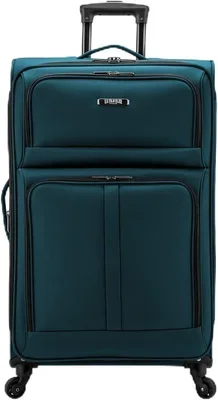
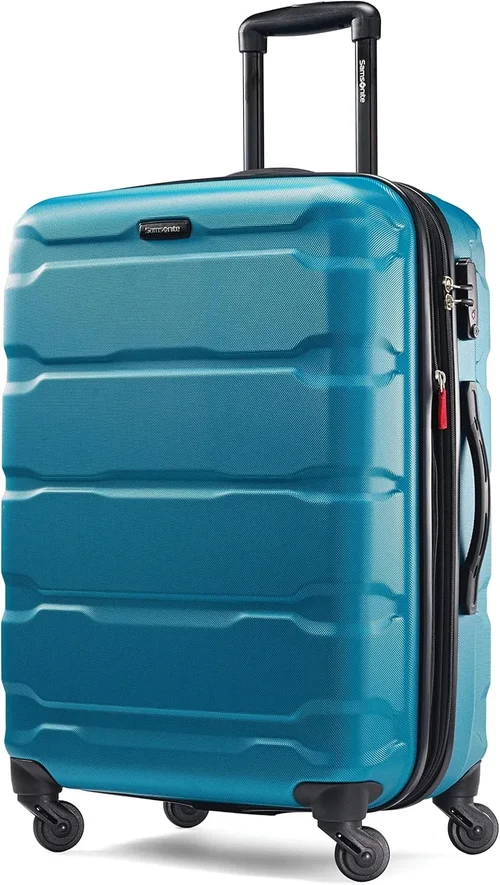
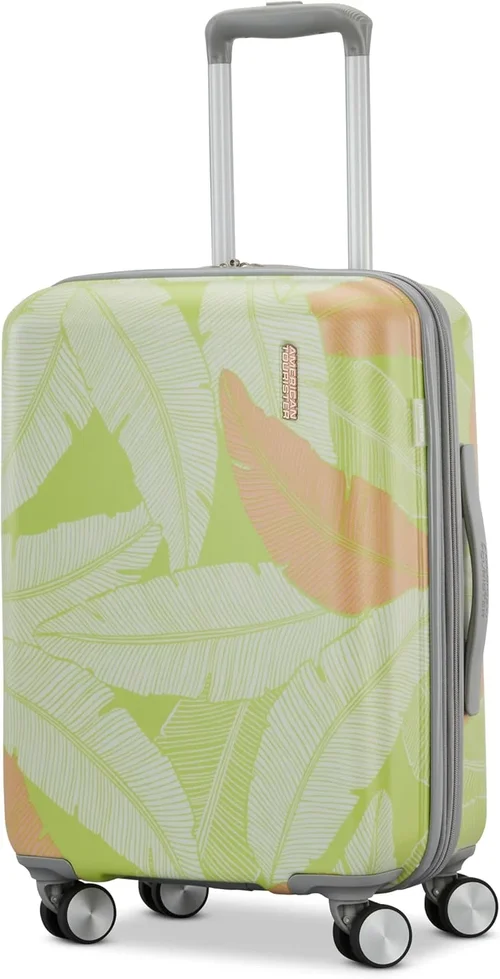
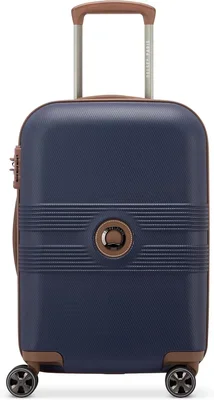
Shopping for a large checked suitcase can feel overwhelming. You are not just buying a box with wheels; you are investing in the safety of your belongings, the ease of your journey, and the peace of mind that comes from knowing your gear will arrive exactly as you packed it. The market is flooded with options ranging from budget basics to luxury status symbols, and cutting through the marketing noise requires a clear understanding of what actually matters for your specific travel style.
This guide is designed to be your definitive resource for navigating the purchase of a high-capacity spinner, specifically focusing on the Delsey Helium Aero 29 inch expandable and its direct competitors. We will break down the technical specifications into plain English, compare the critical factors that determine real-world performance, and help you decide where to spend your money for the best return. Whether you are a family packing for a two-week vacation, a business traveler checking equipment, or an adventurer hauling gear, you will finish this article knowing exactly what to look for, what to avoid, and how to spot a genuine deal.
The large checked luggage category has evolved significantly in recent years. Polycarbonate shells have largely replaced older ABS plastics, spinner wheels have become the gold standard for maneuverability, and expandability is now a baseline expectation rather than a premium feature. However, not all 29-inch spinners are created equal. Differences in wheel housing construction, handle mechanism durability, zipper quality, and internal organization separate the suitcases that last a decade from the ones that crack on the first baggage carousel ride. Let’s dive into the details so you can buy with total confidence.

What to Look for When Buying Buying Guide
1. Shell Material and Construction Integrity
The shell is the first line of defense for your belongings. In the 29-inch class, you will primarily encounter three materials: Polycarbonate, ABS, and Polypropylene. Polycarbonate is widely considered the gold standard for a reason. It offers the best balance of flexibility and impact resistance. When a baggage handler tosses a heavy polycarbonate case, the shell flexes slightly to absorb the shock and then snaps back to its original shape. This “memory” effect prevents cracking.
ABS (Acrylonitrile Butadiene Styrene) is cheaper and lighter but significantly more brittle. It cracks under stress rather than flexing. You will often see “Polycarbonate/ABS blends” marketed at mid-range price points. These are better than pure ABS but do not offer the same longevity as 100% polycarbonate. Polypropylene is the newcomer; it is extremely flexible and lightweight but can feel a bit “plasticky” and is prone to cosmetic scratching.
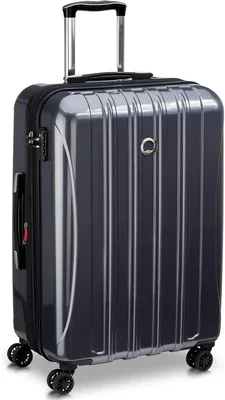
When evaluating the Delsey Helium Aero 29 inch expandable, note that it utilizes a 100% polycarbonate shell. This is a major selling point at its price tier. Look for descriptions like “injection molded” which indicates a consistent thickness throughout the shell, rather than vacuum-formed sheets which can be thin at the corners—the most vulnerable impact zones. Also, check for structural ribs or ridges molded into the shell. These aren’t just for aesthetics; they add rigidity to a large flat panel, preventing the “oil canning” effect where the wall bows in and out under pressure.
2. Wheel System Engineering: The Heart of Maneuverability
On a 29-inch fully packed suitcase, the wheel system bears a tremendous load—often 50 to 70 pounds (23-32 kg). This is where cheap luggage fails first. You need to look beyond “spinner wheels” as a marketing bullet point and examine the engineering. There are two critical components: the wheel material and the housing/axle assembly.
Wheel Material: Premium wheels use a high-grade polyurethane (PU) rubber coating over a nylon or polycarbonate core. Cheap wheels are hard plastic or low-grade rubber that flat-spots, cracks, or develops a loud “thump-thump” rhythm on pavement. The PU coating provides shock absorption for the contents and silent rolling.
Housing and Axle: This is the hidden hero. On budget cases, the wheel housing is a simple plastic clip molded into the shell. Under heavy load, this clip snaps off, taking a chunk of the shell with it. On premium cases (and the Delsey Helium Aero 29 inch expandable), the wheels are mounted on a reinforced chassis or a double-ball-bearing raceway that is riveted or screwed into a structural frame running the length of the suitcase. This transfers the load to the frame, not the thin shell plastic.
Look for “double spinner wheels” (two wheels per corner, totaling eight). Four single wheels on a 29-inch case concentrate all weight on four small contact patches. Eight wheels distribute that weight, making the case glide effortlessly beside you rather than dragging behind you. Also, check for a recessed wheel design. Wheels that protrude past the shell profile eat into your linear inch allowance for airline size restrictions and are the first thing to get sheared off by conveyor belts.
3. Handle System: Telescoping Mechanism and Ergonomics
The telescoping handle (trolley handle) is your primary interface with the bag. A poorly designed handle makes a 70-pound bag feel like 100 pounds. First, consider the tube configuration. Dual-tube handles (two parallel aluminum tubes) are infinitely superior to single-tube designs. They resist twisting torque when you pull the bag over a curb or through a crowd. A single tube will eventually bend or jam, rendering the handle useless.
Check the extension locks. How many height settings are there? You want at least three (short, medium, tall) to accommodate different user heights without forcing you to hunch over or walk with your arm at an awkward angle. The Delsey Helium Aero 29 inch expandable features a multi-stage locking handle with a comfortable rubberized grip. Test the “shake test”: Extend the handle fully and shake the bag vigorously side-to-side. There should be minimal wobble. Excessive wobble indicates loose tolerances in the tube joints, which leads to jamming.
Don’t forget the carry handles. A 29-inch bag needs a top carry handle and a side carry handle. These should be riveted through the shell into the internal frame, not just screwed into the plastic. When you heave the bag into a trunk or onto a scale, these handles take the full dead weight. A padded grip on the side handle is a quality-of-life feature you will appreciate after a long travel day.
4. Expandability Mechanism and Real-World Capacity
Almost every large suitcase now claims “expandability,” usually adding 1.5 to 2 inches of packing depth via a zippered gusset. However, the implementation varies wildly. The gusset material matters. It should be a high-denier ballistic nylon or reinforced polyester, not a thin mesh that tears if you overstuff it slightly. The zipper track must be robust—preferably a #10 coil zipper (large teeth) rather than a #5 or #8.
Crucially, understand the airline implications. A standard 29-inch suitcase is often at or over the 62 linear inch (L+W+H) limit for standard checked baggage before expansion. Expanding it almost guarantees an oversize fee on many carriers. Treat expansion as an emergency buffer for the return trip (souvenirs, dirty laundry separation) rather than your primary packing strategy. The Delsey Helium Aero 29 inch expandable offers a 2-inch expansion zipper that lies flat and secure when not in use, maintaining the bag’s structural profile.
Internal capacity is measured in liters. For a 29-inch spinner, expect 95L to 115L base capacity, jumping to 110L-130L expanded. But volume numbers lie. A boxy, rectangular interior packs more efficiently than a tapered, curved one. Look for a “clamshell” opening (50/50 split) rather than a deep lid/shallow base (70/30). The 50/50 split lets you pack both sides equally, compressing contents with straps on both halves, which keeps the center of gravity centered over the wheels for better rolling stability.
5. Security Features: Zippers, Locks, and Frame Design
Security on checked luggage is about two things: keeping honest people honest and surviving TSA inspection without damage. The zipper is the weak link. Standard coil zippers can be popped open with a ballpoint pen in seconds and re-zipped without evidence. You need “puncture-resistant” or “anti-theft” zippers. These typically feature larger, tighter coils or a specialized design (like YKK RCW or similar) that resists the pen trick.
The lock is mandatory for US travel. A TSA-accepted combination lock (usually 3-dial) allows agents to open and relock your bag without cutting the zipper pulls. Ensure the lock is recessed into the shell. Protruding locks get caught on conveyor belts and snapped off. The Delsey Helium Aero 29 inch expandable integrates a recessed TSA lock that secures both main compartment zippers to a central point.
Consider the frame vs. zipper closure debate. Traditional zippered cases (like the Helium Aero) are lighter and expandable. Frame cases (aluminum or polycarbonate frame with latches) are heavier, non-expandable, but virtually impenetrable and crush-proof. For most leisure travelers, a high-quality zippered case with anti-theft zippers and a TSA lock offers the best balance. If you travel with high-value electronics or fragile items, a frame case might be worth the weight penalty.
6. Interior Organization and Compression
The interior is where the packing happens, yet it’s often an afterthought in reviews. A well-organized interior saves you time packing, unpacking, and finding things mid-trip. Look for a full-length divider panel in the clamshell opening. This panel should have a large zippered pocket (for toiletries, cables, documents) and a mesh pocket (for visibility).
Compression straps are non-negotiable on a 29-inch bag. Without them, your clothes shift during transit, wrinkling badly and throwing off the bag’s balance. The best systems use two adjustable straps per compartment with strong plastic cam buckles that lock securely but release easily. Some premium bags now feature a floating compression panel—a rigid or semi-rigid panel that compresses clothes from the top down, which is far more effective than straps alone.
Check the lining material. It should be a durable, high-thread-count polyester (150D-300D) that resists snagging on zippers or velcro. A light-colored lining (grey, beige, light blue) makes it vastly easier to find small items in the bottom of a deep 29-inch well than a black lining. The Delsey Helium Aero 29 inch expandable uses a light grey interior with a full divider, dual compression straps, and a dedicated laundry/shoe pocket—a thoughtful touch for separating clean and dirty clothes.
7. Weight vs. Durability: The Eternal Trade-off
Weight is the spec everyone looks at first, but it can be misleading. An ultra-light 29-inch spinner (under 8 lbs / 3.6 kg) usually achieves that weight by thinning the shell, using a minimal frame, and installing lighter (weaker) wheels. A tank-like 29-inch spinner might weigh 11-12 lbs (5-5.5 kg). With a 50 lb airline weight limit, a 12 lb bag leaves you only 38 lbs for stuff. That hurts.
The sweet spot for a durable polycarbonate 29-inch spinner is typically 9.0 – 10.5 lbs (4.1 – 4.7 kg). This indicates sufficient material thickness, a robust wheel chassis, and a dual-tube handle without over-engineering. The Delsey Helium Aero 29 inch expandable hits this sweet spot perfectly, usually weighing in around 9.5 – 9.9 lbs depending on the specific generation. This gives you structural integrity without eating half your weight allowance.
Remember: A broken wheel or cracked shell in a foreign airport costs you far more in time, stress, and replacement fees than the extra 1.5 lbs of a better-built bag. Prioritize durability over chasing the absolute lowest weight number.
8. Warranty, Support, and Brand Reputation
A warranty is the manufacturer’s vote of confidence in their product. In the luggage world, warranties range from “1-year limited” to “Lifetime Limited” to “10-Year Global Warranty.” Read the fine print. “Lifetime” often means the lifetime of the product (which they define), not your lifetime. It usually covers manufacturing defects only—zipper failure, handle jamming, wheel detachment—not airline damage, cosmetic wear, or loss.
What matters more than the length is the claims process. Does the brand have authorized repair centers near you? Do they require you to ship the massive 29-inch box to a central depot at your cost (which can cost $50+)? Or do they have a network of local luggage shops that can fix a wheel or handle in an hour? Delsey, Samsonite, Travelpro, and Briggs & Riley have strong global repair networks. Smaller “direct-to-consumer” brands often do not. For a large checked bag, local repairability is a massive hidden value.
The Delsey Helium Aero 29 inch expandable is backed by Delsey’s 10-year limited global warranty. Delsey Paris has been manufacturing since 1946 and has a widespread network of service centers. This means if a wheel bearing fails in year 3, you likely have a local option to fix it rather than buying a new bag.
Different Types of Buying Guide

Common Buying Mistakes to Avoid
❌ Mistake: Buying Based Solely on the “Lightest Weight” Spec
Why it’s bad: As discussed, the lightest 29-inch bags achieve that weight by stripping structural material. A 7.5 lb polycarbonate shell is too thin to survive rough handling. A single cracked corner renders the bag useless. You end up buying a replacement in a year, spending double.
What to do instead: Target the 9-10.5 lb sweet spot. Accept the slight weight penalty for a bag that survives 50+ flights. Check the shell material thickness if listed (e.g., 3mm+ polycarbonate is good).
❌ Mistake: Ignoring Linear Inch Restrictions
Why it’s bad: Many 29-inch spinners measure 29″ x 20″ x 12″ (or 13″) without wheels and handles. That totals 61-64 linear inches. Add the wheels and handle housing, and you are often at 65-67 inches. Most US airlines enforce a 62-inch limit for standard checked bags. If your bag is 65 inches, you pay $100-$200 in oversize fees per flight segment.
What to do instead: Measure the bag yourself (or check detailed specs for “overall dimensions including wheels/handles”) before buying. If you fly carriers with strict 62-inch limits (United, American, Delta on basic economy), consider a 27-inch or 28-inch spinner instead. The Delsey Helium Aero 29 inch expandable is a large bag; verify your airline’s tolerance.
❌ Mistake: Assuming “Expandable” Means Free Extra Space
Why it’s bad: Expanding the bag adds 2 inches of depth. On a 29-inch bag, this pushes you deep into oversize territory. It also shifts the center of gravity backward, making the bag tip over when standing upright and pulling hard on the handle.
What to do instead: Use expansion only for the return trip. Pack the bag flat. If you need more space routinely, buy a second checked bag or ship items ahead. It’s cheaper than oversize fees.
❌ Mistake: Overlooking Wheel Housing Construction
Why it’s bad: This is the #1 failure point on large spinners. Marketing photos show the wheel; they rarely show the housing. A plastic clip molded into the shell will fail under 70 lbs of dynamic load (bumping down stairs, hitting curbs).
What to do instead: Look for “reinforced wheel housing,” “double ball bearing,” “riveted chassis,” or “corner guards.” Read 1-star reviews specifically searching for “wheel fell off” or “cracked at wheel.” The Delsey Helium Aero 29 inch expandable uses a reinforced corner structure with double wheels mounted on a sturdy axle—this is a key differentiator from budget models.
❌ Mistake: Neglecting the “Shake Test” on the Handle
Why it’s bad: A wobbly handle tube develops play quickly. Within 6 months, the locking mechanism jams because the tubes are ovalized from twisting. You end up carrying a 70 lb bag by the side handle.
What to do instead: In store, extend the handle fully. Grab the handle grip and wiggle it side-to-side and front-to-back. Minimal movement is good. Significant play ( > 1/4 inch at the grip) is a red flag. Buy a dual-tube handle.
❌ Mistake: Choosing a Dark Color for Checked Luggage
Why it’s bad: 90% of checked bags are black, navy, or dark grey. On a busy carousel, identifying yours is a nightmare. You waste time, risk someone else taking yours, and add stress.
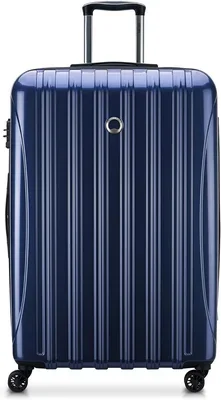
What to do instead: Buy a distinctive color (deep red, olive green, champagne, silver, white) or a unique pattern. If you must have black, add a very distinctive, high-visibility luggage strap or tag. The Delsey Helium Aero 29 inch expandable comes in several distinct colors like Deep Blue, Titanium, and Rose Gold which stand out well.
❌ Mistake: Not Checking the Return Policy Before Buying Online
Why it’s bad: A 29-inch box is huge. Return shipping can cost $30-$50 if the retailer doesn’t provide a free label. Some “final sale” clearance items cannot be returned at all.
What to do instead: Only buy from retailers with free, easy returns (Amazon, Zappos, Nordstrom, REI, brand direct sites). Keep the shipping box until you’ve done a full “living room test”: pack it, roll it on carpet and hard floor, extend handle, check zippers, weigh it.
Budget Guidelines: How Much Should You Spend?
Price tiers in the 29-inch spinner category correlate strongly with build quality, warranty support, and component grade. Here is what you get at each level.
Entry-Level ($80 – $150)
What to expect: ABS or Polycarbonate/ABS blend shells. Single-tube handles (often steel, not aluminum). Four single spinner wheels with plastic hubs and no ball bearings. Thin zippers (non-puncture resistant). 1-year limited warranty. Weight: 8-9 lbs but feels flimsy.
Reality check: These are “disposable” luggage. They work fine for 2-3 trips a year on smooth airport floors. They will fail if checked on a connecting flight with baggage transfers, thrown on a conveyor belt, or packed over 50 lbs. Wheels are the first to go. Good for: Kids going to college, very infrequent flyers, storing seasonal clothes.
Mid-Range / Sweet Spot ($180 – $300) — The Delsey Helium Aero Lives Here
What to expect: 100% Polycarbonate shells. Dual-tube aluminum handles. Eight double-spinner wheels (usually) with ball bearings. Puncture-resistant zippers. Recessed TSA locks. 10-year to Limited Lifetime warranties. Weight: 9-10.5 lbs. Interior organization includes divider, compression straps, laundry pockets.
Reality check: This is the tier where you buy once and keep for a decade. The Delsey Helium Aero 29 inch expandable sits comfortably here, often priced $220-$280. It offers the structural integrity of premium bags without the luxury tax. Components are serviceable. This is the recommended tier for 90% of buyers.
Premium ($300 – $500)
What to expect: Advanced polycarbonate blends (Makrolon, Curv) or high-end Polypropylene. Proprietary wheel systems (Hinamoto, silent run). Magnesium or carbon fiber handle tubes. Superior interior organization (floating compression panels, modular packing cubes included). Lifetime “No Questions Asked” warranties (Briggs & Riley, some Tumi). Weight: 8.5 – 10 lbs but stronger than mid-range.
Reality check: You pay for marginal weight savings, smoother roll, prestige branding, and the best warranty claims experience (e.g., Briggs & Riley repairs airline damage for free). Worth it if you fly 20+ times a year or carry heavy/dense items (books, gear) regularly.
Luxury / Status ($500 – $1,500+)
What to expect: Aluminum (Rimowa), Carbon Fiber, or exotic weaves. Leather accents. Precision engineering. Near-silent wheels. Heirloom build quality. Weight: Often heavy (11-14 lbs for aluminum).
Reality check: These are lifestyle purchases. They do not protect contents better than a $250 polycarbonate bag—in fact, aluminum dents permanently while polycarbonate flexes back. Buy these because you love the object, not for superior utility.
Expert Tips for Getting the Best Deal
- Time Your Purchase: Luggage goes on deep sale three times a year: January (post-holiday clearance), May (pre-summer travel prep), and November (Black Friday / Cyber Monday). The Delsey Helium Aero 29 inch expandable frequently drops 20-30% during these windows. Avoid buying in June/July at full price.
- Check “Open Box” / “Renovated” at Major Retailers: Amazon Warehouse, Best Buy Outlet, and REI Used Gear often have returned 29-inch spinners with cosmetic-only issues (a scuff on the shell) for 40-50% off. Since polycarbonate hides scratches well, this is a steal.
- Use Price Tracking Tools: CamelCamelCamel (Amazon) or Honey/Capital One Shopping (universal) alert you when your target model hits your price. Set a target of $220 for the Helium Aero 29″.
- Buy the Color on Sale: Unpopular colors (sometimes Champagne, Purple, Orange) are often discounted $30-$50 vs. Black or Navy. Since you want a visible bag anyway, this is a win-win.
- Bundle with Packing Cubes: Many brand direct sites (Delsey.com, Samsonite.com) offer “Travel Sets” or bundles adding packing cubes for $20-$30 more. Cubes transform the packing experience in a 29-inch cavern.
- Register the Warranty Immediately: Take a photo of the receipt and the warranty card/serial number sticker (usually inside the zipper pocket or under the lining flap). Register on the brand website before your first trip. It speeds claims immensely.
- Test the “Curb Drop”: When you receive it, pack it to 45-50 lbs. Pick it up by the handle and drop it 6 inches onto a hard floor (simulate a curb). Roll it fast, turn sharp corners. Check for wobble, noise, handle slip. Do this inside the return window.
- Consider a Luggage Strap for Security: Even with a TSA lock, a bright, heavy-duty luggage strap (with a buckle, not velcro) adds a visual deterrent and a backup closure if a zipper fails mid-trip. Cost: $10. Peace of mind: Priceless.

Frequently Asked Questions
Q: Is the Delsey Helium Aero 29 inch expandable carry-on size?
A: Absolutely not. This is a large checked bag. The 29-inch dimension refers to the height of the packing shell. With wheels and handle, it exceeds 30 inches tall. Carry-on limits are typically 22 x 14 x 9 inches. This bag must be checked.
Q: What is the actual weight of the Delsey Helium Aero 29 inch expandable?
A: It typically weighs between 9.5 lbs (4.3 kg) and 9.9 lbs (4.5 kg) depending on the production year and specific color hardware. Always verify the spec sheet for the exact SKU you are buying, as manufacturers occasionally update materials.
Q: Does the expansion zipper weaken the suitcase structure?
A: On the Helium Aero, the expansion gusset is reinforced with a heavy-duty zipper tape and the shell maintains its rigidity because the expansion is contained within the frame rails. However, when expanded, the bag is less rigid. Never check an expanded bag if you can avoid it; the stress on the zipper and shell corners is significantly higher.
Q: Can the wheels be replaced if they break?
A: Yes. Delsey sells replacement wheel kits (usually a set of 2 or 4) through their website and authorized service centers. Because the wheels are mounted on a removable axle/bolt system (not riveted permanently to the shell), a local luggage repair shop can swap them in 15 minutes. This is a huge advantage over cheap riveted wheels.
Q: How does the Helium Aero compare to the Samsonite Freeform 29″?
A: They are direct competitors. The Freeform is often slightly lighter (approx 9.0 lbs) and has a slightly different aesthetic (more angular). The Helium Aero typically has a more robust feeling handle mechanism and a better interior layout (laundry pocket, tie-down straps). The Freeform sometimes has a better wheel roll (Hinamoto wheels on newer models). Both are excellent choices in the $200-$250 range.
Q: Will a 29-inch bag fit in a standard car trunk?
A: Most sedan trunks fit one 29-inch spinner comfortably, maybe two if they are the only things in the trunk. SUVs and minivans fit 3-4 easily. Measure your trunk opening height if you have a low-slung sedan or coupe.
Q: Is the TSA lock on the Helium Aero easy to set?
A: Yes. It’s a standard 3-dial combination lock. The default is 0-0-0. Instructions are included: usually push the reset button (small pinhole) with a pen, set your code, release button. Test it 3 times before packing. If you forget the code, there is no master reset; you must try all 1000 combinations or cut the zipper pulls (TSA agents have master keys for the lock cylinder, not the combination).
Q: Does the Helium Aero have a USB port or charger?
A: No. The Helium Aero line focuses on core luggage performance (shell, wheels, handle) rather than tech integration. Delsey views built-in batteries as a liability (airline restrictions, added weight, failure point). They recommend a separate power bank in your personal item.
Q: What is the difference between the Helium Aero and the Helium Aero International (or other sub-models)?
A: Delsey often releases regional variations. “International” versions sometimes have slightly different dimensions to meet strict European/Asian carrier limits (often slightly smaller overall). The standard “Helium Aero 29” sold in the US is sized for US carriers. Always check the product code (SKU) and dimensions listed on the specific product page.
Q: How do I clean the polycarbonate shell?
A: Use a microfiber cloth dampened with warm water and mild dish soap. Wipe down. Dry with a clean cloth. For scuff marks (black rubber transfer from conveyor belts), a magic eraser (melamine foam) works wonders gently. Avoid acetone, alcohol, or harsh solvents—they can cloud or crack the polycarbonate finish.
Our Final Recommendations
Best for Budget-Conscious Buyers: Delsey Helium Aero 29″ (On Sale)
If you can catch the Delsey Helium Aero 29 inch expandable near the $200-$220 mark, it is unbeatable value. You get 100% polycarbonate, double wheels, dual-tube handle, and a 10-year warranty at a price where competitors still use ABS blends. Wait for a sale; don’t pay full MSRP ($300+) if budget is the primary driver.
Best Overall Value: Delsey Helium Aero 29″ (Standard Price)
Even at its regular $250-$280 price, this is the “Goldilocks” bag. It hits the durability/weight/feature balance perfectly for 95% of travelers. The interior layout (laundry pocket, full divider, good straps) is genuinely useful. The wheel chassis is over-engineered for the price. You simply cannot buy a better reliable checked bag for this money.
Best Premium Option: Briggs & Riley Baseline Domestic 29″ Spinner
If budget allows ($450-$550), the Baseline is the “buy it for life” choice. It uses ballistic nylon (softside) but with a rigid frame structure. The CX expansion system is the best in class—expands 25% then compresses back flat with one motion. The “Simple as That” lifetime warranty covers airline damage for free, forever. They repair it or replace it. No questions. For heavy travelers, this pays for itself in one repair cycle.
Best for Beginners / Infrequent Flyers: Samsonite Freeform 29″ Spinner
Often cheaper than the Helium Aero ($180-$220), the Freeform is lighter (approx 9 lbs) and very easy to find in stores (Target, Macy’s, Costco). It uses a Polycarbonate shell (good) but check the specific model for wheel type (some have 4 singles, some 8 doubles). It’s a safe, low-risk entry point. The warranty is 10-year limited. Great “first real suitcase.”
Best for Advanced Users / Heavy Packers: Travelpro Platinum Elite 29″ Spinner
Travelpro is the choice of airline crews. The Platinum Elite (approx $350-$400) uses a proprietary high-density nylon fabric with a Duraguard coating. It has the best handle system in the industry (PowerScope handle with Contour Grip), MagnaTrac wheels that track perfectly straight, and a precision glide system. It’s a softside, so it squeezes into tight cargo holds and expands massively. If you pack heavy (books, gear, samples), this handles the weight better than any hard shell.
Conclusion: Making the Right Choice
You started this guide looking for a large suitcase. You are finishing it with a framework for evaluating any travel gear purchase. The Delsey Helium Aero 29 inch expandable stands out because it refuses to compromise on the fundamentals: a true polycarbonate shell that flexes instead of cracks, a wheel chassis built to carry heavy loads without shearing, a handle that doesn’t wobble, and a warranty backed by a 75-year-old company with repair shops near you.
Remember the priority order: Wheel Housing > Shell Material > Handle System > Weight > Features > Color. A pretty bag with broken wheels is trash. An ugly bag that rolls silently beside you for a decade is a treasure. Don’t be seduced by “lightest ever” claims that sacrifice the structure you need at 29 inches. Don’t fear the mid-range price tier; it is where the engineering lives.
Your next step is simple. Measure your airline’s size limits. Check the current price of the Helium Aero in a color you love. Order from a retailer with free returns. Do the living room test: pack it, weigh it, roll it, drop it. If it passes, register the warranty and book the trip. The world is waiting, and now you have the right tool to carry your life into it. Safe travels.