
Planning a 3-day trip can be both exciting and overwhelming, especially when it comes to choosing the right travel luggage. The right bag can make your journey smooth and comfortable, while the wrong one can turn a simple getaway into a logistical nightmare. This comprehensive guide is designed to help you navigate the complex world of travel luggage and find the perfect companion for your next 3-day adventure.
Whether you’re a seasoned traveler or planning your first short trip, understanding the nuances of luggage selection can save you time, money, and frustration. From determining the ideal size to evaluating durability and features, we’ll cover everything you need to make an informed decision that suits your specific travel needs and budget.
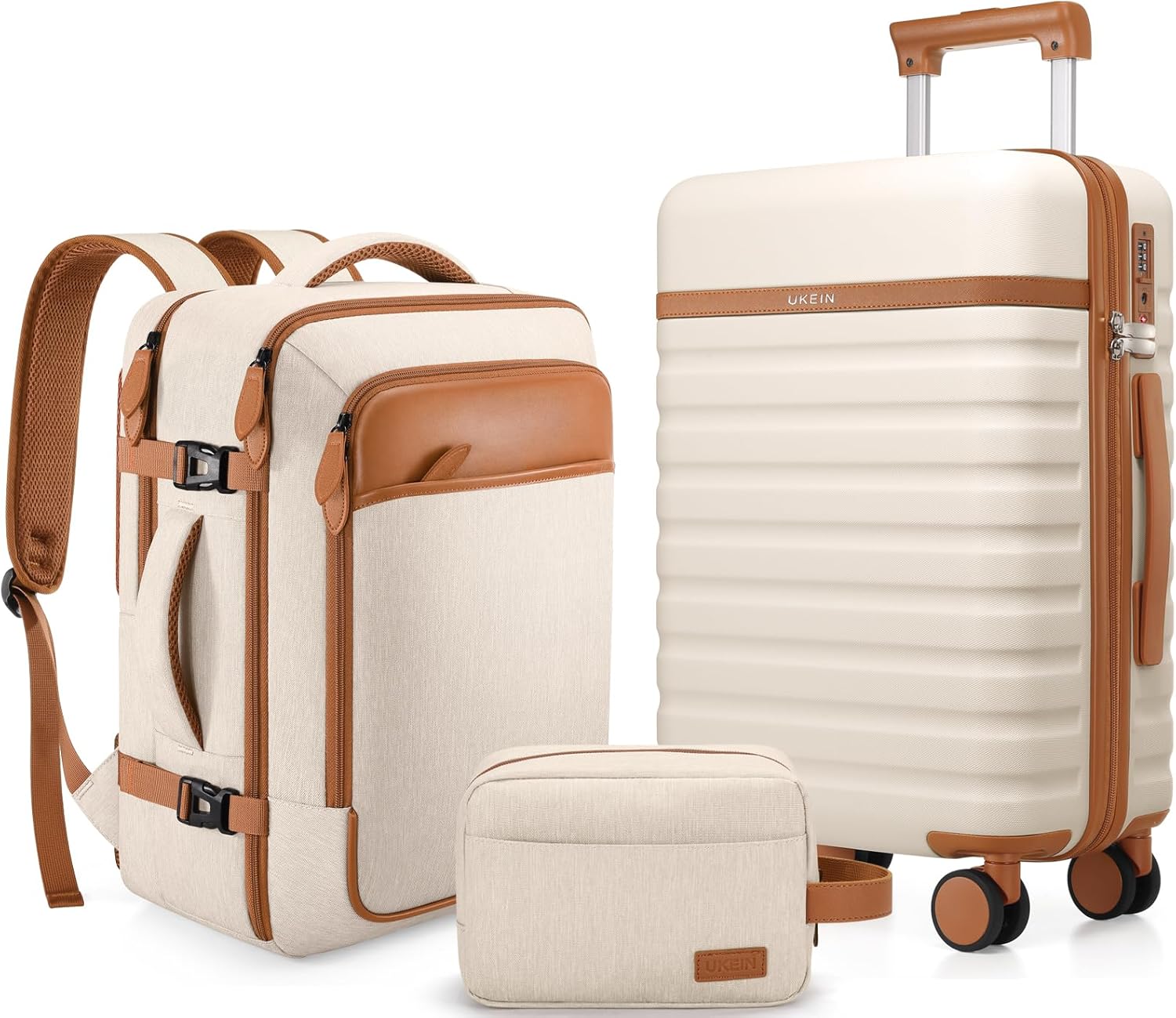
What to Look for When Buying Travel Luggage
Choosing the right luggage for a 3-day trip requires careful consideration of several key factors. These elements will not only affect your travel experience but also determine the longevity and value of your investment.
1. Size and Capacity
Size is arguably the most critical factor when selecting luggage for a 3-day trip. You need enough space to pack essentials without overpaying for unused capacity. For most 3-day trips, a mid-size suitcase with a capacity of 35-50 liters is typically sufficient. Consider the types of items you’ll be bringing – will you be packing formal attire, casual clothes, or a mix? Think about whether you’ll be carrying souvenirs back and plan accordingly.
The concept of “carry-on only” travel has gained popularity, and for good reason. A well-sized carry-on can save you time at baggage claim, eliminate checked baggage fees, and reduce the risk of lost luggage. When evaluating size, also consider the dimensions of your potential suitcase and whether it fits within airline restrictions for carry-on bags.
2. Durability and Build Quality
Durability determines how well your luggage will withstand the rigors of travel. For a 3-day trip, you need luggage that can handle being tossed around in baggage handling systems, dragged across airport floors, and squeezed into overhead bins. Look for materials like high-density polyester, nylon, or hardshell polycarbonate that offer the right balance of protection and weight.
The construction quality is equally important. Check for reinforced corners, sturdy zippers, and robust handles. Wheels should roll smoothly and silently, and telescoping handles should feel solid without wobbling. A durable suitcase might cost more upfront but can save you money in the long run by lasting through many trips and avoiding the need for premature replacement.
3. Maneuverability and Portability
How easily can you move your luggage through airports, train stations, and hotel corridors? For 3-day trips, you’ll likely be carrying your bag yourself more often than you’d like, so portability matters. Look for luggage with 360-degree spinner wheels that allow effortless movement in any direction. Multi-directional wheels are particularly valuable in crowded spaces where you need to navigate around obstacles.
The weight of the empty suitcase is another crucial consideration. Premium hardshell luggage might weigh more than its soft-sided counterpart due to reinforced structures, but some ultra-lightweight options use advanced materials that keep the weight down while maintaining strength. Aim for a balance between durability and weight that won’t strain you during transit.
4. Security Features
Security should never be an afterthought when choosing travel luggage. For 3-day trips, you’ll want peace of mind knowing your belongings are protected. Look for luggage with TSA-approved combination locks that allow security personnel to inspect your bag without damage. Some modern options feature built-in tracking devices or Bluetooth connectivity to help locate your bag if it gets lost.
Consider additional security features like hidden pockets for valuables, anti-theft zippers that prevent quick access by pickpockets, and slash-resistant materials in high-theft areas. While these features might add to the cost, they’re worth considering for the protection they offer.
5. Organization and Accessibility
A well-organized suitcase can make your 3-day trip much more manageable. Look for luggage with multiple compartments, zippered pockets, and dedicated spaces for specific items like shoes, toiletries, or electronics. Compression straps or packing cubes can help maximize space and keep your belongings organized throughout your journey.
Easy access is equally important. You don’t want to unpack your entire bag to find a specific item you need during your trip. Consider how the luggage’s design allows you to access different sections without disrupting the rest of your packed items. Some modern designs feature top-loading with front-access panels, making it easier to reach items at the bottom of the bag.
6. Design and Aesthetics
While functionality should be your primary concern, the appearance of your luggage matters more than you might think. A stylish, well-designed suitcase can make you feel more confident and excited about your trip. Consider colors and patterns that suit your personal style and might help you identify your bag quickly on busy baggage carousels.
The design should also complement your travel style. Are you looking for something sleek and professional for business travel, or do you prefer something more colorful and adventurous for a leisure trip? The right design can enhance your overall travel experience and even serve as a conversation starter with fellow travelers.
7. Brand Reputation and Warranty
The reputation of the brand can provide valuable insight into the quality and reliability of the luggage you’re considering. Established brands often have years of experience designing travel gear and can offer better customer support and warranty protection. Research customer reviews and expert opinions to gauge brand reliability.
Warranty terms are particularly important when investing in higher-end luggage. A comprehensive warranty can protect your purchase against defects and damage, giving you confidence in your investment. Some premium brands offer lifetime warranties, while others might have more limited coverage periods. Understand what’s covered and what’s not before making your final decision.
8. Price and Value
Price is always a consideration, but it should be evaluated in the context of value rather than as the sole determining factor. The cheapest option might save you money upfront but could cost you more in the long run if it needs frequent replacement or doesn’t meet your needs effectively. Conversely, the most expensive option isn’t always the best choice for your specific requirements.
Consider the cost per trip and the expected lifespan of the luggage. A $200 suitcase that lasts for 100 trips costs $2 per trip, while a $50 suitcase that needs replacement after 20 trips actually costs $2.50 per trip. Factor in durability, features, and your travel frequency when evaluating the true value of different options.
Different Types of Travel Luggage
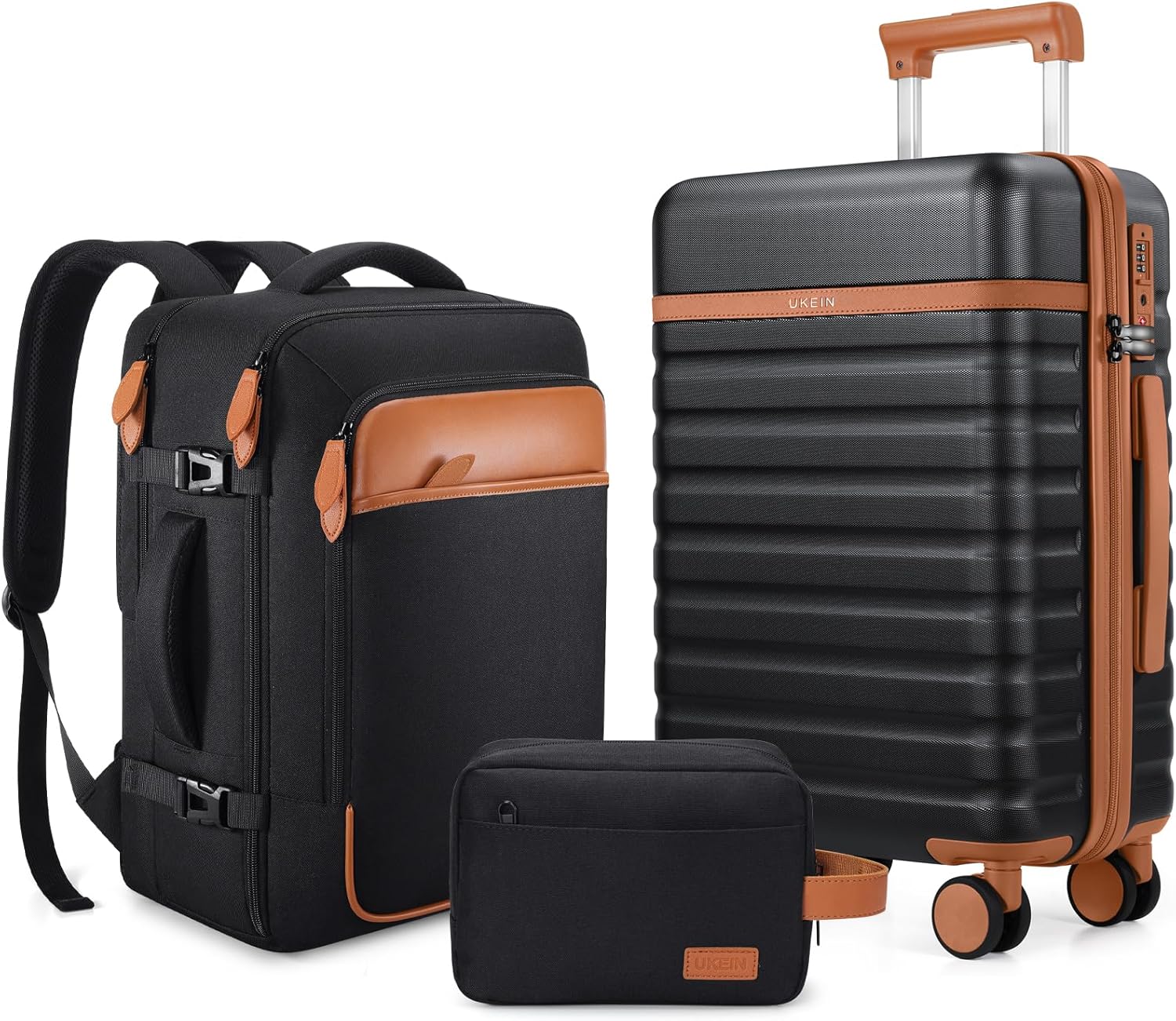
Soft-Sided Expandable Luggage
Soft-sided luggage has become increasingly popular for good reason. These bags typically feature flexible materials like nylon or polyester that allow you to expand the packing capacity when needed. For a 3-day trip, this expandability can be a game-changer, especially if you’re unsure about exactly how much you’ll need to bring or if you anticipate buying souvenirs.
The main advantage of soft-sided luggage is its lightweight nature. Many soft bags weigh significantly less than their hardside counterparts, which can make a difference when you’re carrying your bag through airports. They also tend to be more affordable and offer better value for money. The flexible nature of these bags also means they can fit into tight spaces in overhead bins or under seats more easily than rigid alternatives.
However, soft-sided luggage may offer less protection for fragile items and might not maintain its shape as well when packed. They’re also more susceptible to wear and tear from rough handling. For a 3-day trip, though, the benefits of lightweight flexibility often outweigh these concerns, especially if you’re not traveling with delicate electronics or fragile items.
Hardside Spinner Luggage
Hardside luggage, typically made from polycarbonate or aluminum, offers superior protection for your belongings. The rigid structure keeps items secure and protects them from compression and impact. For a 3-day trip where you might be carrying electronics, toiletries, or other fragile items, hardside luggage provides peace of mind.
Spinner wheels, which allow 360-degree rotation, are particularly valuable for hardside luggage. This design makes navigating through crowded airports much easier, as you can simply roll your bag in any direction without having to lift or tilt it. The combination of hardshell protection and spinner mobility creates an excellent travel experience, though it often comes at a higher price point and weight.
Hybrid Luggage
Hybrid luggage attempts to combine the best features of soft-sided and hardside options. These might feature a hardshell front and sides with soft, flexible panels on the back and top, or incorporate expandable elements into a rigid structure. For travelers who can’t decide between protection and flexibility, hybrids offer a compelling middle ground.
The versatility of hybrid luggage makes it particularly suitable for 3-day trips where you might encounter various travel conditions. You get some of the protective benefits of hardshell construction while maintaining enough flexibility to maximize your packing space. These options often come with organizational features like multiple compartments and pockets, keeping your 3-day adventure well-organized.
Duffel Bags
Duffel bags represent a more casual approach to travel luggage. These cylindrical bags with open tops offer easy access to all your belongings and can be packed efficiently. For a short 3-day trip, duffels eliminate the need to struggle with tight suitcase compartments and allow you to see all your items at a glance.
Modern duffel bags often come with wheels and telescoping handles, transforming them into rolling luggage options. They’re particularly popular for business travel or weekend trips where you want to maintain a streamlined, professional appearance. The main considerations with duffels are security (since they’re generally less secure than zippered suitcases) and potential wrinkling of clothes due to the lack of structured compartments.
Travel Backpacks
While not traditional “luggage,” travel backpacks deserve consideration for 3-day trips, especially for younger travelers or those with an active lifestyle. Quality travel backpacks are designed with padded straps, hip belts, and organizational compartments specifically for travel use.
The biggest advantage of travel backpacks is their versatility. They transition seamlessly from airport to street to hotel without the need to constantly check in and retrieve luggage. For a 3-day urban exploration or adventure trip, a well-designed travel backpack might be more practical than traditional luggage. However, they offer less protection for electronics and might not be suitable for business or formal travel.
Common Mistakes to Avoid
❌ Mistake: Ignoring Airline Restrictions
Why it’s bad: You might purchase luggage that doesn’t meet airline size requirements, leading to additional fees or even being forced to check your bag at the gate when you wanted to carry it on.
What to do instead: Always check your airline’s specific carry-on and checked baggage dimensions and weight restrictions before purchasing luggage. Measure your potential luggage with wheels and handles extended to ensure compliance.
❌ Mistake: Prioritizing Appearance Over Functionality
Why it’s bad: A beautiful suitcase that’s difficult to maneuver, lacks organization, or doesn’t meet your practical needs will cause frustration throughout your travels.
What to do instead: Create a list of your must-have features before shopping. Consider your travel style, typical destinations, and what you’ll be packing before focusing on aesthetics.
❌ Mistake: Underestimating the Importance of Weight
Why it’s bad: Heavy luggage eats into your baggage allowance and makes your journey physically exhausting, especially when navigating airports with multiple flights and long walks.
What to do instead: Weigh potential luggage before purchasing and compare similar-sized options. For a 3-day trip, aim for the lightest option that still meets your durability and protection needs.
❌ Mistake: Forgetting About Organization Features
Why it’s bad: Without proper organization, you’ll waste time searching for items and risk damaging clothes or electronics through improper packing.
What to do instead: Evaluate the internal layout of potential luggage. Look for features like zippered pockets, shoe compartments, clothing straps, and dedicated tech sections that match your packing needs.
❌ Mistake: Neglecting Return Policies and Warranty Information
Why it’s bad: You might end up stuck with luggage that doesn’t meet expectations or develops issues shortly after purchase, with no recourse for resolution.
What to do instead: Before purchasing, understand the return policy and warranty terms. Premium luggage often comes with longer return periods and more comprehensive warranties that can save you significant money and hassle.
Budget Guidelines: How Much Should You Spend?
Entry-Level ($30-$80)
This price range offers basic functionality for budget-conscious travelers. You’ll find simple soft-sided bags, basic hardshell options, and straightforward designs without many frills. These are suitable for infrequent travelers or those on tight budgets who prioritize cost over premium features. Expect basic materials, simpler wheel systems, and minimal organizational features. For a 3-day trip, entry-level options can work if you’re traveling light and don’t have fragile items.
Mid-Range ($80-$200)
This represents the sweet spot for most travelers seeking quality and value. In this range, you’ll find well-constructed luggage with durable materials, reliable spinner wheels, and thoughtful organizational features. Many options combine elements of both soft-sided and hardside designs, offering versatility for different travel scenarios. For a 3-day trip, mid-range luggage typically provides the best balance of protection, functionality, and price.
Premium ($200-$400)
Premium luggage offers superior materials, advanced features, and exceptional build quality. You’ll find aerospace-grade aluminum frames, advanced polycarbonate shells, sophisticated organization systems, and industry-leading warranties. These options are designed for frequent travelers who demand the best performance and longevity. For a 3-day trip, premium luggage provides peace of mind and often includes innovative features like integrated charging ports or smart tracking.
Luxury ($400+)
The luxury category includes designer luggage with premium materials, exceptional craftsmanship, and status symbolism. These bags often feature Italian leather, custom hardware, and collaborations with fashion designers. While they offer excellent functionality, the premium price is largely for brand prestige and aesthetics. For a 3-day trip, luxury luggage makes a statement but might not provide proportional functional benefits compared to premium options.
Expert Tips for Getting the Best Deal
Time Your Purchase Strategically
Luggage prices fluctuate throughout the year, with significant discounts during off-peak seasons. The best times to buy are typically late winter (January-February) and summer (July-August), when retailers clear inventory for new models. Major shopping events like Black Friday, Cyber Monday, and post-holiday sales often feature substantial markdowns on previous season’s stock.
Compare Across Multiple Retailers
Don’t settle for the first price you see. Compare prices across department stores, specialty luggage shops, and online retailers. Remember to factor in shipping costs and return policies when comparing online versus in-store prices. Some retailers might offer better prices but lack return flexibility, which could be problematic if the luggage doesn’t meet expectations.
Look for Complete Sets
Many retailers offer matching sets of luggage (typically 3-piece sets) that can provide better value than buying individual pieces. These sets often coordinate in design while offering different sizes for various travel needs. For a 3-day trip, you might find a set that includes a carry-on and personal item, providing versatility for different travel scenarios.
Consider Long-Term Value
The cheapest option might cost more over time if it needs frequent replacement. Calculate the cost per trip and consider how long the luggage might last. A $150 suitcase that lasts 5 years represents better value than a $50 suitcase that needs replacement every year, especially if you travel regularly.
Test Before You Buy
Whenever possible, test luggage in person before purchasing. Push the cart to test the wheels, open and close the compartments, check the handle extension, and assess the overall weight. Online shoppers should research return policies carefully to ensure you can send back luggage that doesn’t meet expectations.
Check Warranty Coverage
Understand exactly what the warranty covers before purchasing. Some warranties only cover manufacturing defects while others might include damage from normal wear and tear. Premium brands often offer more comprehensive warranties that can provide significant value over the life of the product.
Read Recent Customer Reviews
Customer reviews can reveal issues that aren’t apparent from product descriptions. Look for reviews that mention long-term use, airline handling, and real-world performance. Pay particular attention to reviews from travelers with similar needs to yours, especially those who’ve used the luggage for trips similar in duration to yours.
Frequently Asked Questions
Q: How do I know what size luggage is appropriate for a 3-day trip?
A: For most 3-day trips, a mid-size suitcase with 35-50 liters capacity works well. To determine the right size, make a packing list of everything you think you’ll need, then visualize how it would fit in different luggage sizes. If you’re flying carry-on only, ensure your packed bag fits within your airline’s dimensions. Remember that you can always use packing cubes or compression sacks to maximize space efficiency.
Q: Is it better to buy luggage sets or individual pieces?
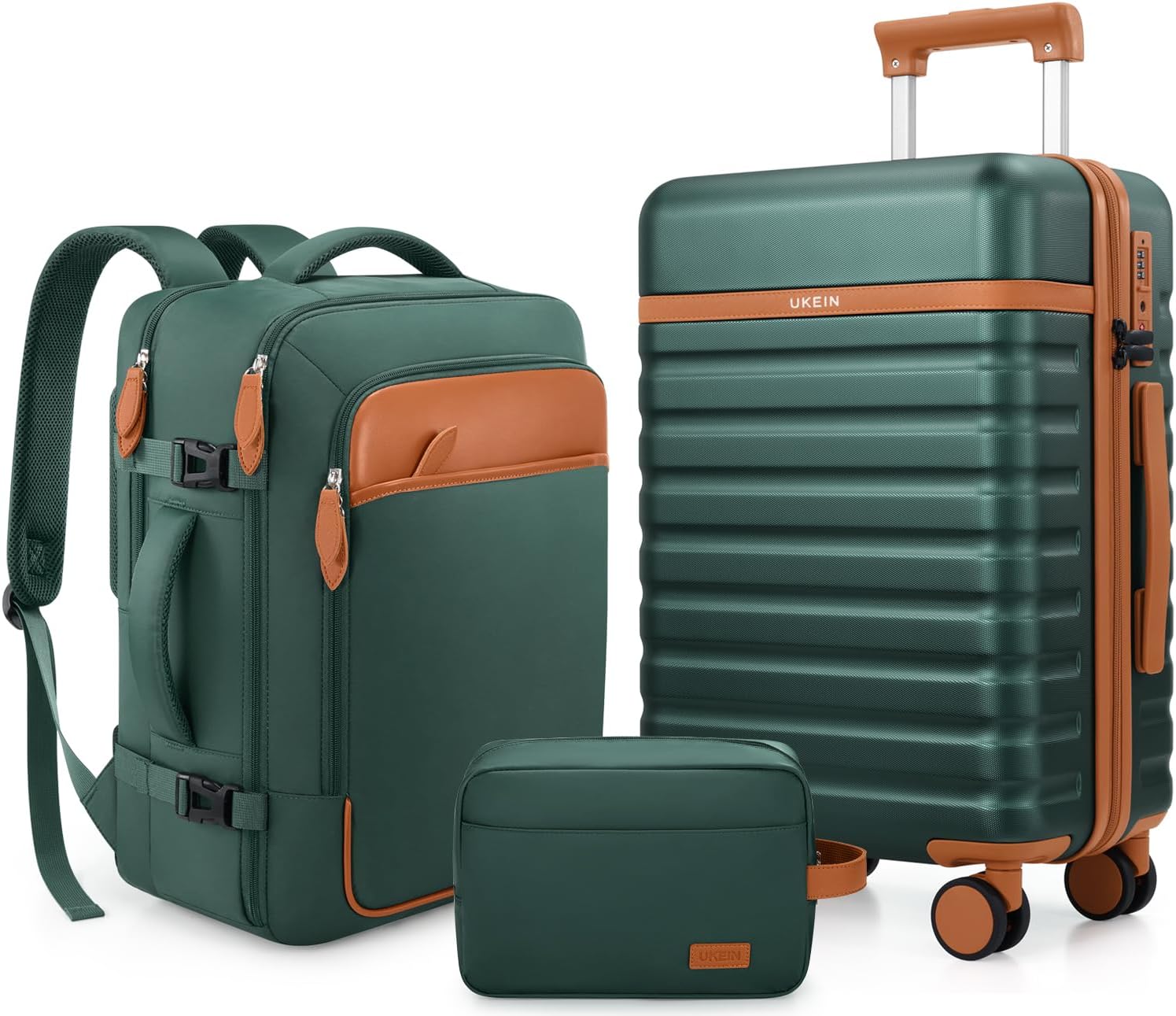
A: This depends on your needs and travel frequency. Luggage sets (typically 3-piece) offer matching pieces in different sizes, which is useful if you need checked luggage plus carry-on. For occasional travelers, buying individual pieces as needed might make more sense. For frequent travelers, sets can provide better value and coordinated organization.
Q: How can I make my luggage last longer?
A: Proper care significantly extends luggage life. Always lift rather than drag your bag, avoid overstuffing compartments, clean it regularly with appropriate cleaners, store it in a cool dry place when not in use, and be mindful of weight limits. For hardshell luggage, be particularly careful about impacts to corners and edges.
Q: Should I register my luggage warranty?
A: Yes, you should register your warranty if possible. Many manufacturers require registration to activate warranty benefits, and registration often provides additional benefits like extended coverage. Keep your purchase receipt and any registration confirmation numbers in a safe place.
Q: Are smart luggage options worth the premium?
A: Smart luggage with built-in batteries for charging devices or tracking features can be valuable for tech-dependent travelers. However, they typically cost more, have additional components that could fail, and some airlines have restrictions on batteries. Consider how often you’d actually use these features before paying the premium.
Q: What’s the difference between hardside and soft-sided luggage?
A: Hardside luggage offers superior protection for fragile items, maintains its shape better, and provides more security. Soft-sided luggage is typically lighter, more flexible (allowing extra packing space), often more affordable, and easier to stuff into tight spaces. Choose based on your priorities: protection versus flexibility and weight.
Q: How much should I budget for quality travel luggage?
A: For quality luggage that will last multiple trips, budget $80-$200 for versatile mid-range options. If you travel frequently or need specialized features, consider $200-$400 for premium options. Entry-level options under $80 can work for occasional travelers with simpler needs.
Our Final Recommendations
Best for Budget-Conscious Travelers
For those watching their spending without sacrificing basic functionality, we recommend the best expandable luggage for international travel. These options combine the flexibility of expandable designs with durable construction at accessible price points, making them ideal for 3-day trips where you might need extra space for souvenirs.
Best Overall Value
The best expandable carry-on luggage guide represents excellent value for most travelers. These options balance protection, weight, and functionality, offering the versatility needed for various travel scenarios while maintaining reasonable prices.
Best Premium Option
For travelers who demand the best materials, construction, and features, consider options from the best Bugatti 3 piece expandable luggage guide. These premium options deliver exceptional durability, sophisticated design, and advanced features that justify the investment for frequent travelers.
Best for Beginners
The best expandable spinner luggage guide provides excellent starting points for those new to travel luggage shopping. These options combine user-friendly designs with reliable performance, helping beginners build confidence in their travel gear choices.
Best for Advanced Users
Experienced travelers with specific requirements will appreciate resources like the centric 3 piece expandable hardside spinner luggage buying guide. These guides dive deep into specialized features, technical specifications, and performance characteristics that sophisticated travelers appreciate.
Conclusion: Making the Right Choice
Choosing the right travel luggage for your 3-day trip doesn’t have to be overwhelming. By understanding your specific needs, evaluating the key factors we’ve discussed, and avoiding common pitfalls, you can find luggage that enhances your travel experience rather than complicing it.
Remember that the best luggage is the piece that seamlessly integrates into your travel routine, providing reliable service trip after trip. Consider your travel style, destination types, and budget constraints, but don’t compromise on essential features like durability and proper protection for your belongings.
As you move forward with your luggage selection, keep in mind that investing in quality travel gear is an investment in countless future journeys. The right suitcase will accompany you on adventures, return safely from each trip, and continue serving you well for years to come. Take your time, do your research, and choose the luggage that gives you the confidence to explore with peace of mind.


