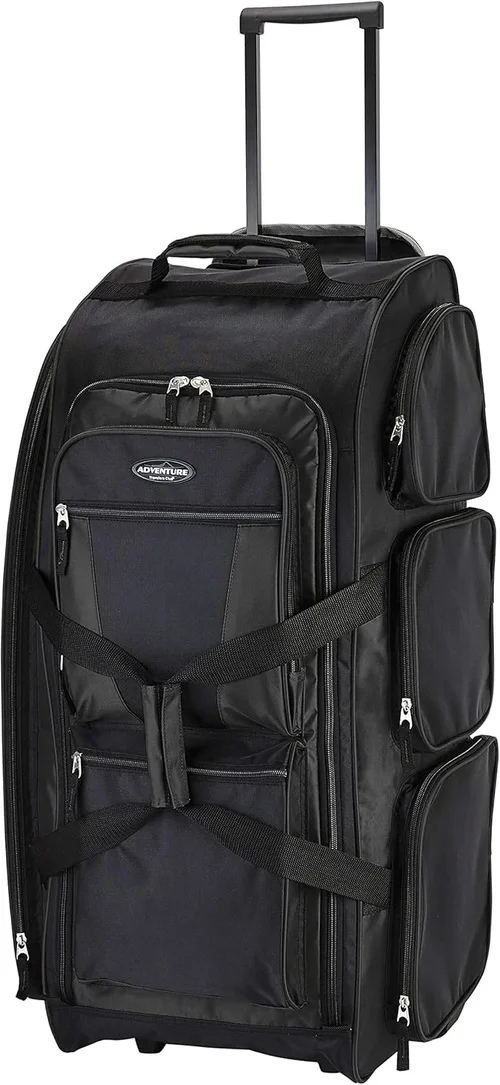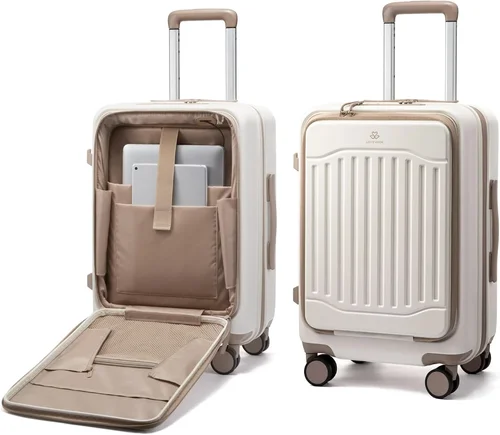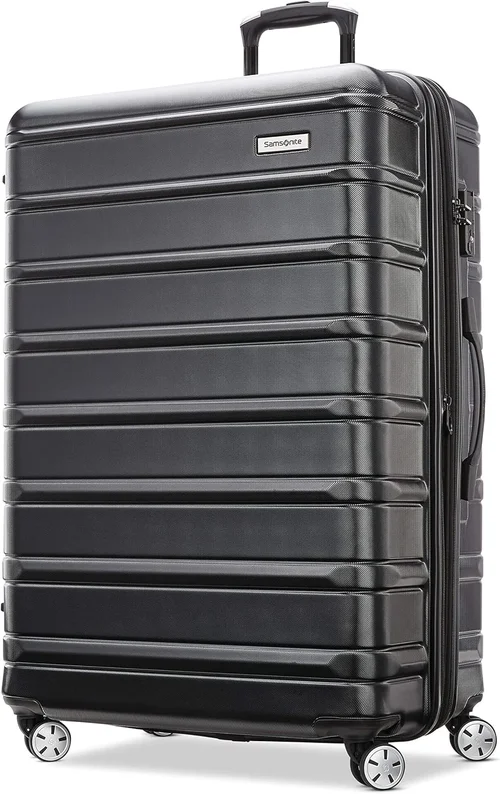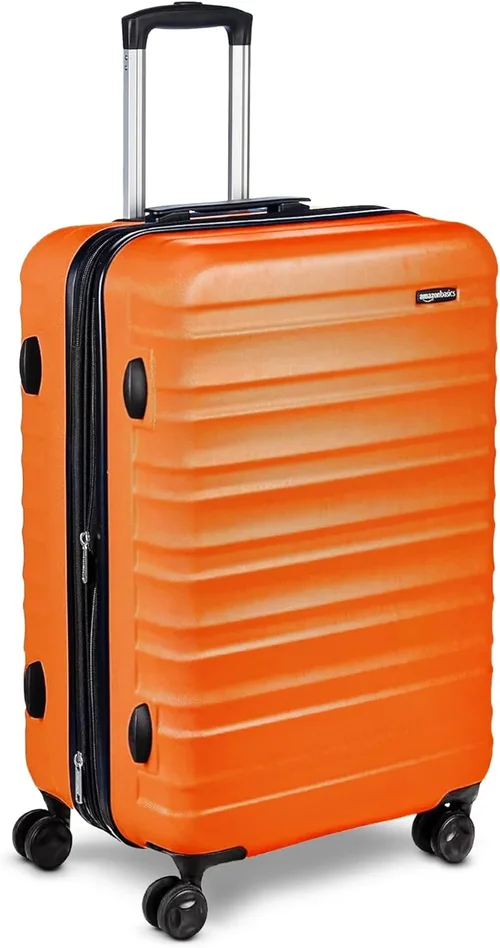
Traveling is more than just moving from point A to point B—it’s about freedom, discovery, and the joy of bringing back souvenirs without stressing over baggage limits. That’s where expandable luggage comes in. Designed with a hidden zipper expansion system, these versatile suitcases can increase their capacity by 20–30%, giving you extra room when you need it most—whether that’s for a weekend getaway that turns into a week-long adventure or a business trip where you suddenly need to pack samples, gifts, or extra layers for unpredictable weather.
But not all expandable luggage is created equal. With hundreds of models flooding the market in 2026—from budget-friendly options at big-box retailers to high-end carry-ons from luxury travel brands—it’s easy to feel overwhelmed. Some expand smoothly and securely; others bulge awkwardly or compromise structural integrity when stretched. Some offer smart organization features; others are little more than glorified duffels with wheels. That’s why this guide exists: to cut through the noise, compare the real-world performance of top contenders, and help you choose the right expandable suitcase for your travel style, budget, and needs.
In this comprehensive buying guide, you’ll learn how to evaluate expandable luggage like a pro. We’ll break down the six most critical factors—from build quality and expansion mechanics to warranty coverage and user feedback—so you can make an informed decision. You’ll also discover the different types of expandable luggage available, avoid common purchasing pitfalls, understand what you should realistically spend, and get insider tips on scoring the best deals. Whether you’re a frequent flyer, a weekend warrior, or someone planning their first international trip, this guide will equip you with everything you need to pick a suitcase that expands your possibilities—not your frustration.

What to Look for When Buying Expandable Luggage
1. Expansion Mechanism & Capacity
The core feature of any expandable suitcase is its ability to grow—but how it does so matters greatly. Most models use a zipper expansion system, typically adding 2–3 inches (5–7.5 cm) of depth when unzipped. However, the quality of that zipper, the reinforcement around the gusset, and the overall design determine whether expansion enhances or undermines your luggage.
Look for a dual-zipper system with heavy-duty YKK or equivalent zippers that glide smoothly and resist snagging. Avoid single-zipper expansions, which can fail under pressure or allow the bag to sag when overloaded. Also, check if the expansion is evenly distributed: some bags only expand on one side, creating lopsided weight distribution that makes rolling difficult. Ideally, the expanded section should maintain the same structural support as the base compartment, often achieved through reinforced panels or internal framing.
Capacity-wise, consider both standard and expanded volumes. A typical 26-inch checked expandable suitcase holds about 70–80 liters unexpanded and 90–100 liters when fully opened. That’s usually enough for a 7–10 day trip, depending on packing style. But remember: airlines often charge oversized fees if your bag exceeds linear dimensions (length + width + height) of 62 inches (158 cm). When expanded, some 26-inch bags can push past this limit—so always measure your specific model before flying.
2. Build Quality & Durability
Durability isn’t just about surviving rough baggage handlers—it’s about lasting through years of travel without seams splitting, wheels cracking, or shells cracking. For expandable luggage, durability is even more critical because the added stress of expansion puts extra strain on materials and construction.
Hard-shell suitcases are typically made from polycarbonate, ABS, or polypropylene. Polycarbonate is the gold standard: lightweight, flexible, and highly impact-resistant. It can dent slightly under extreme force but springs back, protecting your contents. ABS is cheaper and lighter but more prone to cracking. Polypropylene offers excellent rigidity but can be heavier.
Soft-side expandable luggage uses ballistic nylon, polyester, or Cordura fabric. Ballistic nylon (used by brands like Briggs & Riley and Tumi) is exceptionally tear- and abrasion-resistant, ideal for frequent travelers. Polyester is more affordable but less durable over time. Look for ripstop weaves and double-stitched seams, especially around stress points like the expansion zipper and handle mounts.
Reinforced corners, corner guards, and metal or reinforced plastic bumpers add further protection. Also, inspect the interior: a well-constructed bag will have sturdy lining, secure attachment points for compression straps, and no loose threads or uneven stitching.
3. Wheel System & Maneuverability
You’ll spend more time pushing your suitcase than packing it—so wheels matter. The best expandable luggage features 360-degree spinner wheels (four wheels that rotate independently), allowing effortless navigation through crowded airports, tight hotel corridors, and uneven sidewalks.
Look for wheels made from durable polyurethane or rubber, not plastic, which can crack or wear down quickly. Larger wheels (around 2–2.5 inches in diameter) roll more smoothly over carpet, tile, and thresholds. Some premium models include suspension systems or shock absorbers to reduce vibration and improve control.
Test the rolling action: a high-quality spinner should glide quietly and respond instantly to directional changes. Avoid bags with stiff or wobbly wheels—they’ll tire you out fast. Also, check the wheel housing: poorly designed housings can trap dirt or debris, leading to premature wear.
4. Handle Design & Ergonomics
The telescoping handle is your primary interface with the suitcase, so comfort and reliability are non-negotiable. Opt for an aluminum or reinforced steel handle with multiple height settings (at least two, preferably three or four). The handle should lock securely in place and retract fully without rattling.
Ergonomics matter too: look for a padded, contoured grip that fits comfortably in your hand, even during long walks. Some handles feature silicone or rubberized coatings for better grip in wet conditions. Avoid flimsy plastic handles—they’re prone to bending or breaking under load.
When expanded, the handle should remain stable and not flex excessively. A rigid handle frame prevents “wobble” and gives you better control, especially when the bag is heavy or unevenly packed.
5. Weight & Portability
Every ounce counts when you’re trying to stay under airline weight limits. A lighter suitcase means more room for souvenirs—or simply less strain on your arms. Most quality 26-inch expandable suitcases weigh between 7.5 and 10.5 pounds (3.4–4.8 kg) unexpanded.
Hard-shell polycarbonate models tend to be lighter than polypropylene or metal-reinforced soft-side bags. However, ultra-lightweight designs sometimes sacrifice durability, so balance weight savings with build quality. If you’re a frequent flyer or travel with minimal gear, prioritize weight. If you’re checking heavy items (like winter coats or shoes), a slightly heavier but sturdier bag may be worth the trade-off.
Also consider portability features: side and top handles should be padded and securely attached. Some bags include a bottom grab handle for easier lifting into overhead bins or car trunks. These small details make a big difference during real-world use.
6. Organization & Interior Features
A well-organized suitcase saves time, reduces wrinkles, and prevents chaos at security checkpoints. Look for expandable luggage with thoughtful interior layouts: zippered mesh pockets, compression straps, shoe compartments, and garment folders.
Compression straps are essential—they keep clothes flat and secure, especially when the bag is expanded. Elasticized pockets help corral small items like chargers, toiletries, or passports. Some premium models include removable laundry bags, tech sleeves, or waterproof compartments.
Avoid overly complex interiors with too many small pockets—they can become cluttered and hard to access. Simplicity often wins: one large main compartment with a zippered divider and a few strategic pockets usually offers the best balance of organization and flexibility.
7. Security Features
Your luggage holds valuable items—so security shouldn’t be an afterthought. Most modern expandable suitcases include TSA-approved combination locks, allowing airport security to inspect your bag without damaging the lock. These are mandatory for U.S. travel and widely accepted globally.
Look for dual-stage locking systems: one for the main compartment and another for the expansion zipper (if applicable). Some high-end models offer RFID-blocking pockets to protect credit cards and passports from electronic theft.
Avoid cheap padlocks or flimsy zippers that can be easily cut or pried open. Also, ensure the lock integrates seamlessly with the bag’s design—bulky external locks can snag on conveyor belts or get crushed during handling.
8. Brand Reputation & Warranty
A brand’s reputation often reflects its commitment to quality and customer service. Established names like Samsonite, Travelpro, Away, and Rimowa have decades of experience and rigorous testing standards. Newer direct-to-consumer brands (like Monos or July) offer innovative designs at competitive prices but may lack long-term track records.
Warranty is a strong indicator of confidence in product durability. Look for at least a 5-year limited warranty, with some premium brands offering lifetime coverage. Read the fine print: does it cover zippers, wheels, handles, and expansion mechanisms? Or only cosmetic damage?
Customer support matters too. Can you easily reach a human? Are replacement parts (like wheels or handles) readily available? Brands with global service networks (e.g., Samsonite, Tumi) make repairs easier if something breaks abroad.
Different Types of Expandable Luggage

Common Buying Mistakes to Avoid
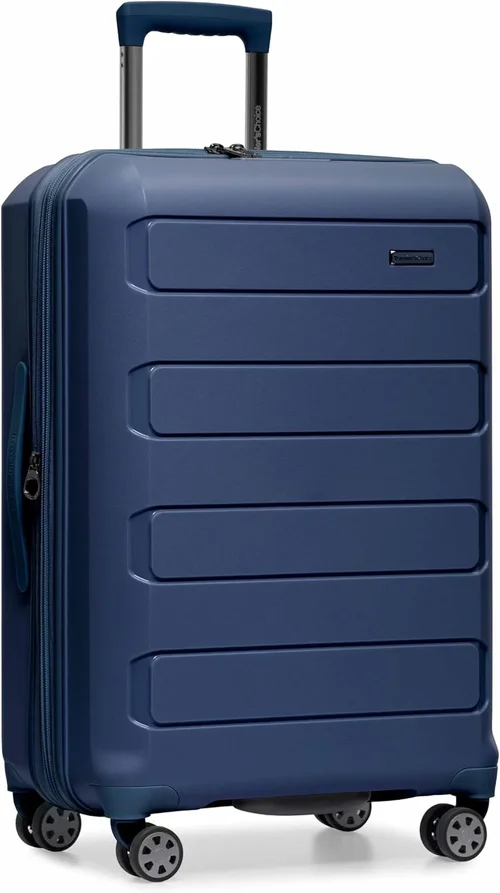
❌ Mistake: Prioritizing Looks Over Function
Why it’s bad: A suitcase that looks great in photos might have flimsy zippers, weak handles, or poor expansion mechanics. Style without substance leads to frustration mid-trip.
What to do instead: Focus on core functionality first—wheels, handle, zipper quality, and expansion reliability. Choose color and design after confirming performance specs.
❌ Mistake: Ignoring Airline Size Restrictions
Why it’s bad: Many travelers assume “26-inch” means it’s always within checked baggage limits. But when expanded, some bags exceed the 62-inch linear dimension, triggering oversized fees ($100+ on many airlines).
What to do instead: Measure your bag expanded before flying. If it’s close to the limit, consider a slightly smaller size (like 24-inch) or choose a model with modest expansion (2 inches max).
❌ Mistake: Overlooking Warranty Details
Why it’s bad: A “lifetime warranty” might only cover manufacturing defects—not wear and tear from normal use. You could be stuck paying for repairs after a year.
What to do instead: Read warranty terms carefully. Look for coverage of zippers, wheels, and expansion systems. Prefer brands with accessible customer service and replacement part availability.
❌ Mistake: Buying Based Solely on Price
Why it’s bad: The cheapest bag may save you $50 upfront but cost you $200 in replacements over two years. Conversely, the most expensive isn’t always the best fit.
What to do instead: Determine your travel frequency and needs, then find the best value within your budget tier (see Budget Breakdown below).
❌ Mistake: Skipping the Test Roll
Why it’s bad: Wheels that seem fine in-store might wobble or jam after a few trips due to poor alignment or low-quality bearings.
What to do instead: Always test the rolling action on different surfaces—tile, carpet, even a slight incline. Listen for grinding or squeaking.
❌ Mistake: Assuming All Expansions Are Equal
Why it’s bad: Some bags expand unevenly or lack reinforcement, causing the bag to tip or sag when full.
What to do instead: Look for symmetrical expansion with reinforced gussets. Check reviews mentioning stability when expanded.
❌ Mistake: Neglecting Return Policies
Why it’s bad: If the bag doesn’t perform as expected, a strict return policy could leave you stuck with a dud.
What to do instead: Buy from retailers with generous return windows (30+ days) and free return shipping. Test the bag thoroughly within this period.
Budget Guidelines: How Much Should You Spend?
Entry-Level ($50–$120): These suitcases are ideal for occasional travelers or students. Expect basic polyester construction, single-zipper expansion, and plastic wheels. Brands like American Tourister or generic AmazonBasics models fall here. While functional for short trips, they may not withstand frequent use or rough handling. Expansion is usually limited to 1–2 inches, and warranties are often 1–2 years.
Mid-Range ($120–$250): This is the sweet spot for most travelers. You’ll find polycarbonate hard-shells or durable polyester soft-sides with reliable spinner wheels, TSA locks, and 2–3 inch expansion. Brands like Samsonite (Core DLX), Travelpro (Platinum Elite), and Away (The Large) offer excellent value here. Expect 5–10 year warranties and solid build quality that lasts 3–5 years with regular use.
Premium ($250–$450): For frequent flyers and business travelers, this tier delivers top-tier materials (ballistic nylon, aerospace-grade polycarbonate), precision engineering, and advanced features like suspension wheels, compression systems, and modular interiors. Brands include Briggs & Riley, Tumi, and Rimowa (Essential). Expect lifetime or 10+ year warranties and global service networks.
Luxury ($450+): These are collector’s items as much as luggage—handcrafted, limited-edition, or tech-integrated. Think Rimowa Classic, Tumi Alpha 3, or Globe-Trotter. They offer unparalleled durability, bespoke customization, and status appeal. Best for those who view luggage as a long-term investment or travel accessory.
Expert Tips for Getting the Best Deal
1. Shop During Off-Peak Seasons: Airlines and retailers discount luggage in January (post-holiday) and August (pre-fall travel). Black Friday and Cyber Monday also offer solid deals, but selection may be limited.
2. Sign Up for Brand Newsletters: Brands like Away, Monos, and July often send exclusive discount codes (10–20% off) to new subscribers. Some even offer student or military discounts.
3. Check Outlet Stores and Online Clearance: Samsonite and Travelpro have official outlet stores with past-season models at 30–50% off. These are identical in quality to retail versions—just older colors or designs.
4. Bundle with Other Travel Gear: Some retailers (e.g., REI, Backcountry) offer discounts when you buy luggage with backpacks, packing cubes, or travel pillows.
5. Read Recent Reviews (Not Just Star Ratings): A 4.8-star average might hide recent complaints about zipper failures or wheel issues. Look for reviews from the past 6 months.
6. Consider Refurbished or Open-Box: Certified refurbished models from reputable sellers (like Amazon Renewed or brand websites) come with warranties and can save you 20–40%.
7. Test In-Store, Buy Online: Visit a store to test wheels, handles, and expansion—then order online for better pricing or free shipping.
8. Register Your Warranty Immediately: Some brands require registration within 30 days to activate coverage. Don’t skip this step!

Frequently Asked Questions
Q: Can I use expandable luggage as a carry-on?
A: Only if it’s a carry-on size (typically 22 inches or smaller). A 26-inch expandable suitcase is designed for checked baggage. Even when unexpanded, it exceeds standard carry-on dimensions (usually 22″ x 14″ x 9″).
Q: Will expanding my suitcase trigger extra fees?
A: Possibly. If the expanded dimensions exceed your airline’s linear limit (usually 62 inches), you’ll be charged an oversized baggage fee. Always measure your specific model when expanded.
Q: How much extra space does expansion really add?
A: Most 26-inch expandable suitcases add 15–25% more volume—roughly 10–20 liters. That’s enough for a few extra outfits, shoes, or souvenirs.
Q: Are hard-shell or soft-side better for expansion?
A: Soft-side bags generally expand more smoothly and flexibly, while hard-shells offer better protection but may feel stiffer when expanded. Choose based on your priority: protection (hard) vs. flexibility (soft).
Q: Can I repair an expandable suitcase if the zipper breaks?
A: Yes—if the brand offers replacement parts or authorized repair centers. Many premium brands (Briggs & Riley, Tumi) provide free or low-cost repairs under warranty.
Q: Do all expandable suitcases have TSA locks?
A: No. While most mid-range and premium models include them, budget options may not. Always check the product description or packaging.
Q: Is it safe to overpack an expanded suitcase?
A: Overpacking can strain zippers, distort the shape, and increase the risk of damage. Pack smart: use compression cubes, distribute weight evenly, and leave some room for shifting during transit.
Q: How do I clean my expandable luggage?
A: For hard-shells, wipe with a damp cloth and mild soap. For soft-sides, spot-clean with a fabric cleaner. Avoid harsh chemicals that can degrade materials or coatings.
Q: Can I check an expandable suitcase on international flights?
A: Yes—but verify your airline’s size and weight policies. Some international carriers have stricter limits than U.S. airlines.
Q: What’s the average lifespan of a good expandable suitcase?
A: With proper care, a quality mid-range or premium expandable suitcase should last 5–10 years. Frequent travelers may need replacements sooner due to wear on wheels and zippers.
Our Final Recommendations
Best for Budget-Conscious Buyers: Samsonite Winfield 3 DLX Expandable ($130–$160)
Offers polycarbonate durability, smooth spinners, and 2-inch expansion at an unbeatable price. Great for occasional travelers who want reliability without overspending.
Best Overall Value: Travelpro Platinum Elite 26″ Expandable ($220–$260)
Designed by flight attendants, this soft-side bag features ballistic nylon, self-aligning wheels, and a generous 3-inch expansion. Backed by a 10-year warranty.
Best Premium Option: Briggs & Riley Baseline Expandable Large ($425–$475)
The gold standard for business travelers. Lifetime guarantee, CX compression-expansion technology, and unmatched craftsmanship. Worth every penny for frequent flyers.
Best for Beginners: Away The Large Expandable ($275)
Sleek polycarbonate design, built-in USB port, and intuitive organization. Easy to use, stylish, and backed by a 100-day trial and 10-year warranty.
Best for Advanced Users: Rimowa Essential Cabin Expandable ($650+)
For those who demand perfection. Aerospace-grade aluminum/polycarbonate hybrid, silent-gliding wheels, and iconic design. Ideal for luxury travelers and collectors.
Conclusion: Making the Right Choice
Choosing the right expandable luggage isn’t just about finding a bigger bag—it’s about finding a smarter travel companion. The ideal suitcase should adapt to your journey, not constrain it. By focusing on expansion quality, build durability, wheel performance, and real-world usability, you’ll avoid the common pitfalls that turn travel into a chore.
Remember: your luggage is an investment in your travel experience. Whether you’re heading to Paris for a romantic getaway or Denver for a ski weekend, the right expandable suitcase will give you peace of mind, extra space when you need it, and years of reliable service. Don’t let flashy marketing or impulse deals cloud your judgment. Instead, use the insights from this guide to match your needs, budget, and travel style with the perfect model.
So take a breath, review your priorities, and make a choice that expands your horizons—not your stress. Happy travels!