
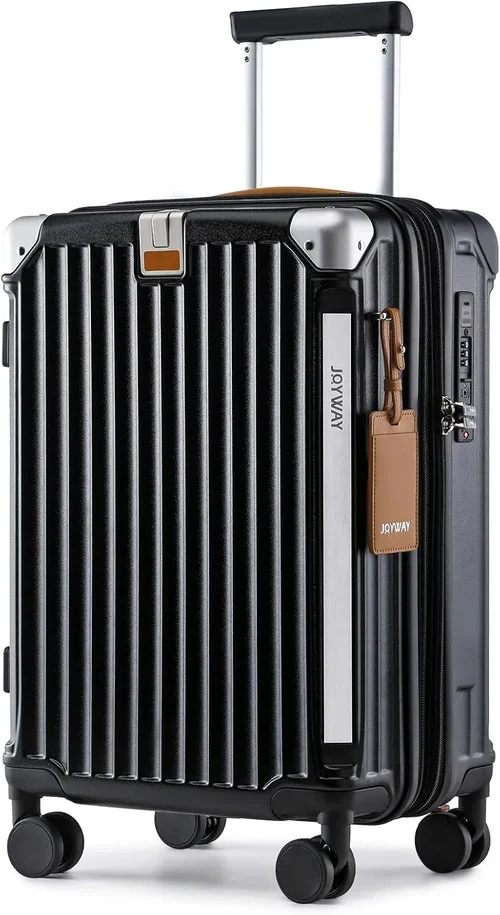
Traveling light doesn’t mean sacrificing convenience—especially in 2026. With the rise of smart luggage and tech-integrated travel gear, the humble carry-on suitcase has evolved into a mobile command center for modern explorers. Among the most sought-after innovations is the 20-inch expandable luggage with USB charging capability. Compact enough to fit overhead bins on nearly every airline, yet spacious enough to hold several days’ worth of clothing, these suitcases blend portability with practicality. And thanks to built-in USB ports, you can keep your phone, tablet, or noise-canceling headphones powered up during long layovers or delays—no more scrambling for airport outlets.
This guide exists because not all USB-equipped luggage is created equal. While the idea of charging your devices from your suitcase sounds futuristic (and convenient), many models fall short in execution—offering flimsy construction, unreliable battery packs, or poor expansion mechanics. Whether you’re a frequent business traveler, a weekend adventurer, or someone who simply values preparedness, choosing the right 20-inch expandable USB luggage requires careful consideration. In this comprehensive buyer’s guide, we’ll walk you through everything you need to know: from key features and build quality to budget considerations and common pitfalls. By the end, you’ll be equipped to make an informed decision that matches your travel style, tech needs, and wallet.
The market for smart luggage has exploded in recent years, with brands ranging from legacy suitcase makers like Samsonite and Travelpro to tech-forward newcomers like Away and Arlo Skyline. However, not all USB luggage includes an actual battery—some only offer a pass-through port that requires an external power bank. Others boast impressive specs but compromise on durability or weight. With airline restrictions tightening around lithium batteries and overhead space becoming more competitive, it’s essential to understand what you’re really getting. This guide cuts through the marketing noise and delivers expert-level insights so you can invest in a piece of luggage that enhances—not hinders—your travel experience.
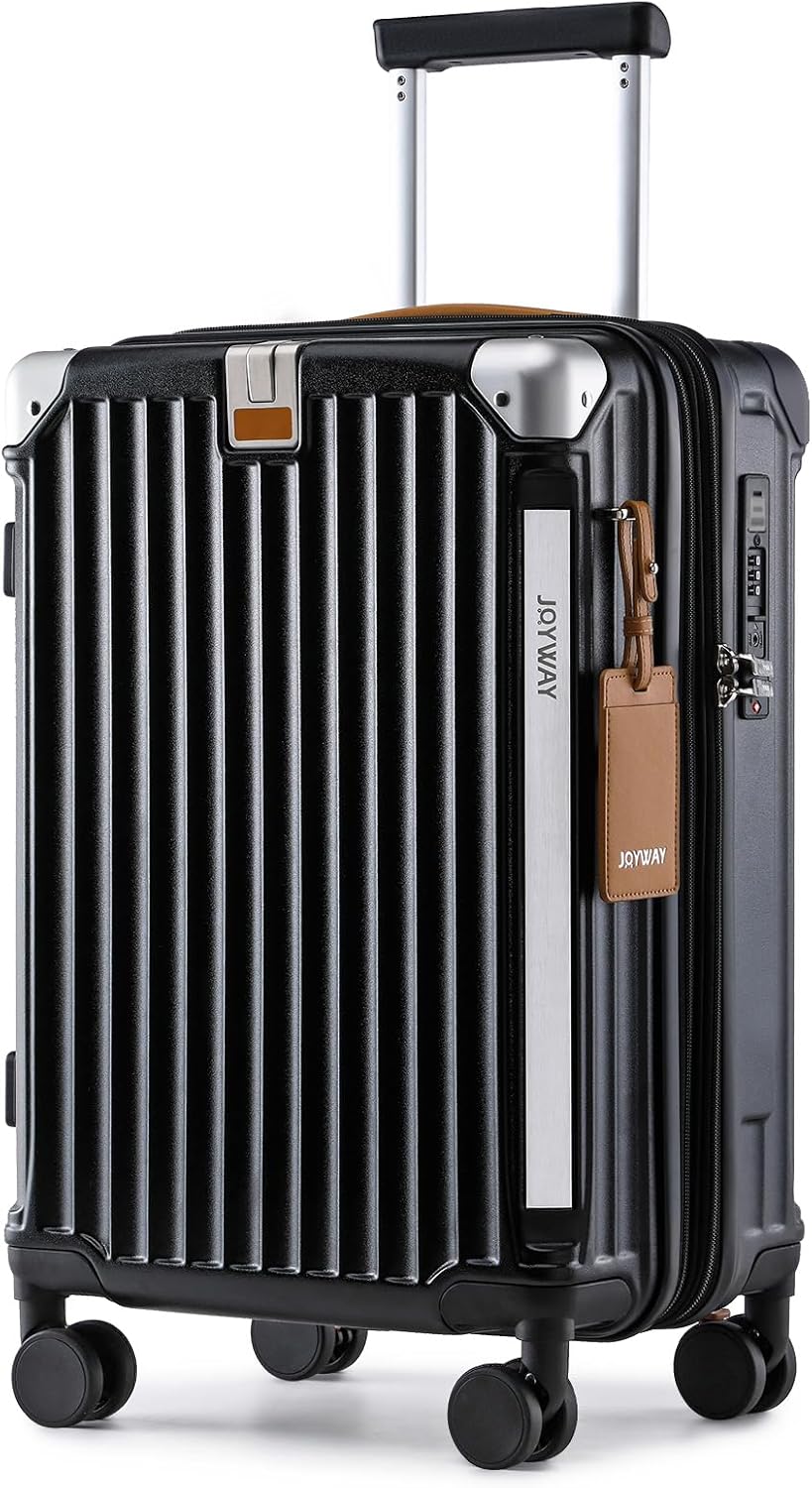
What to Look for When Buying Buying Guide
1. USB Charging Capability & Power Source
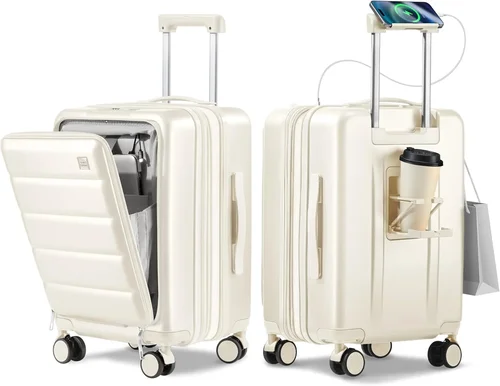
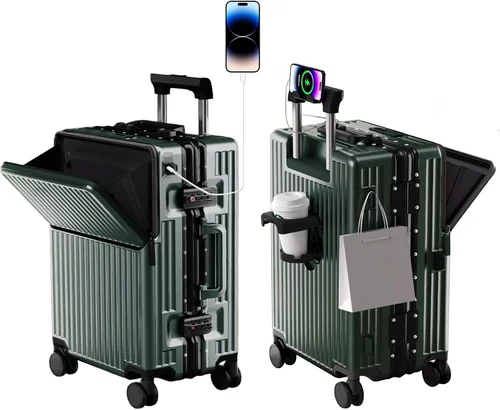
The defining feature of USB luggage is, of course, its ability to charge your devices. But here’s the catch: not all USB ports are equal. Some suitcases come with a built-in rechargeable battery (usually lithium-ion), while others simply provide a USB port connected to an external power bank compartment. The former offers seamless convenience—you plug in your phone and go—but raises concerns about airline regulations, as lithium batteries over 100Wh are prohibited in checked baggage and often restricted in carry-ons. Most compliant models use batteries under 100Wh (typically 74Wh or less), which are TSA-approved for carry-on use.
If your suitcase includes a built-in battery, verify whether it’s removable. Removable batteries offer flexibility—you can take the battery out if needed for security checks or replace it when it degrades over time. Non-removable batteries may void your warranty or render the USB function useless after a few years. On the other hand, if the suitcase only has a USB port for an external power bank, ensure the compartment is well-ventilated, easily accessible, and large enough to accommodate standard-sized power banks (up to 20,000mAh). Look for models with a dedicated zippered pocket near the handle for quick access without opening the main compartment.
2. Expandability & Interior Capacity
A 20-inch suitcase is already near the upper limit for most airline carry-on size restrictions (typically 22″ x 14″ x 9″), so expandability must be used wisely. Most expandable models add 1.5 to 2.5 inches of depth via a zipper release, effectively turning your compact carry-on into a medium-sized checked bag when needed. This is ideal for travelers who want flexibility—pack light for short trips but have room to bring back souvenirs or extra gear.
However, expansion should not compromise structural integrity. Look for reinforced zippers (ideally YKK or equivalent) and double-stitched seams around the expansion gusset. Poorly designed expansion systems can cause the suitcase to bulge unevenly, making it difficult to roll or fit in overhead bins. Also consider how the interior is organized: multiple compartments, compression straps, and mesh pockets help maximize usable space and keep items secure during transit. Some high-end models even feature removable laundry bags or shoe compartments—small touches that significantly improve organization.
3. Build Quality & Durability
Durability is non-negotiable when investing in luggage, especially one with integrated electronics. The shell material plays a critical role here. Polycarbonate is the gold standard—lightweight, impact-resistant, and flexible enough to absorb shocks without cracking. ABS plastic is cheaper but more prone to fractures under stress. Hard-shell polycarbonate suitcases often feature a textured finish to resist scratches and scuffs, which is essential for maintaining appearance over time.
For softside options, ballistic nylon or high-denier polyester offers excellent tear resistance and water repellency. These materials are typically lighter than hard shells but may dent corners more easily. Regardless of material, inspect the corners for reinforced bumpers—these protect against drops and rough handling at airports. Also check the quality of the wheels: dual spinner wheels (four wheels that rotate 360°) provide superior maneuverability compared to two-wheel designs. Look for wheels made from polyurethane or rubber, which offer smooth rolling and noise reduction.
4. Weight & Portability
Every ounce counts when you’re navigating crowded terminals or lifting your bag into an overhead bin. A 20-inch expandable USB suitcase should ideally weigh between 6.5 and 8.5 pounds when empty. Anything over 9 pounds starts eating into your packing allowance—especially on airlines with strict weight limits (like Spirit or Ryanair). Lightweight construction doesn’t have to mean flimsy; modern polycarbonate shells can be both strong and light.
Portability also extends beyond weight. Consider the handle system: telescopic handles should extend smoothly and lock securely at multiple heights. Ergonomic grips reduce hand fatigue, and some premium models include push-button releases for quick adjustments. Additionally, side and top handles should be padded and firmly attached—they’re essential for lifting the bag when wheels aren’t practical. If you plan to travel frequently through cobblestone streets or uneven terrain, opt for larger, softer wheels that roll quietly and absorb bumps.
5. Security Features
Your luggage protects valuable items—and increasingly, expensive electronics. Basic TSA-approved combination locks are standard, but many USB-enabled suitcases now include smart locking systems. These may feature Bluetooth connectivity, fingerprint scanners, or app-based controls that let you unlock your bag via smartphone. While convenient, smart locks add complexity and potential points of failure. Ensure any electronic lock is backed by a reliable brand and has a manual override in case of battery drain or app glitches.
Additionally, look for tamper-resistant zippers and anti-theft designs like hidden pockets or slash-proof linings. Some models integrate GPS trackers (either built-in or via compatible accessories), allowing you to locate your bag if it’s misplaced or stolen. While not essential, these features provide peace of mind, especially for international travel or high-risk destinations.
6. Brand Reputation & Customer Support
Not all luggage brands prioritize customer service equally. Established names like Samsonite, Rimowa, and Tumi have decades of experience and global service networks. If something goes wrong—a broken wheel, faulty USB port, or zipper failure—you want assurance that repairs or replacements are hassle-free. Read reviews specifically about post-purchase support: how responsive is the company? Do they honor warranties promptly? Are spare parts available?
Newer brands may offer innovative designs and lower prices but sometimes lack long-term reliability data. Check forums like Reddit’s r/travel or Trustpilot for real-user experiences. Also, verify whether the brand offers global warranty coverage—critical if you travel internationally. A reputable brand will clearly state warranty terms (typically 2–10 years) and provide easy access to support via phone, email, or live chat.
7. Warranty & Return Policy
A strong warranty signals confidence in product quality. For USB luggage, look for at least a 2-year limited warranty covering defects in materials and workmanship. Premium brands often offer lifetime or 10-year warranties, though these may exclude normal wear and tear or electronic components. Pay special attention to how the USB system is covered—some warranties treat the battery and charging circuit as separate from the shell, which could leave you paying out of pocket for repairs.
Return policies are equally important, especially when buying online. Ideally, you should have 30–60 days to test the suitcase and return it if unsatisfied. Some retailers (like Nordstrom or REI) offer generous return windows and free return shipping. Avoid sellers with restocking fees or short return periods—you want the freedom to evaluate real-world performance before committing.
8. User Reviews & Real-World Performance
Spec sheets tell part of the story; user reviews reveal the rest. Look beyond star ratings and read detailed feedback about long-term use. Common pain points include: USB ports failing after a few trips, batteries losing charge capacity, zippers jamming, or wheels wobbling. Pay attention to reviews from travelers with similar needs—e.g., frequent flyers, digital nomads, or families.
Platforms like Amazon, Wirecutter, and Expert Reviews often feature in-depth testing, including drop tests, wheel durability assessments, and battery runtime measurements. Also check YouTube for unboxing and stress-test videos—visual evidence can highlight flaws not mentioned in text reviews. If a model has consistently positive feedback across multiple sources, it’s likely a safe bet.
Different Types of Buying Guide

Common Buying Mistakes to Avoid
❌ Mistake: Ignoring Airline Battery Regulations
Why it’s bad: Many travelers assume any USB suitcase is automatically allowed on planes. However, lithium batteries over 100Wh are banned from both carry-on and checked luggage by most airlines. Even compliant batteries may require removal during security checks. Getting your bag confiscated or delayed at the gate is a frustrating and costly mistake.
What to do instead: Always verify the battery watt-hour (Wh) rating before purchasing. Look for clear labeling (e.g., “74Wh Li-ion battery”) and confirm it’s removable if possible. When in doubt, contact the airline or check IATA’s latest guidelines.
❌ Mistake: Prioritizing USB Over Build Quality
Why it’s bad: A shiny USB port means little if the wheels break after two trips or the zipper fails mid-journey. Some budget models cut corners on materials to include tech features, resulting in fragile shells and weak frames.
What to do instead: Treat the USB function as a bonus—not the main event. Focus first on durability, wheel quality, and handle mechanics. A well-built suitcase without USB is far more reliable than a tech-heavy one that falls apart.
❌ Mistake: Overlooking Expansion Mechanics
Why it’s bad: Poorly designed expansion zippers can cause the suitcase to bulge unevenly, making it impossible to fit in overhead bins or roll smoothly. Some models expand only on one side, creating imbalance.
What to do instead: Test the expansion feature in-store if possible. Look for symmetrical gussets and reinforced stitching. Read reviews mentioning “overhead bin fit” or “expanded stability.”
❌ Mistake: Buying Without Testing the Handle
Why it’s bad: A stiff or wobbly handle can turn a short walk through the airport into an ordeal. Telescopic handles that don’t lock securely may collapse unexpectedly.
What to do instead: Extend the handle fully and shake it gently—there should be minimal wobble. Press the release button repeatedly to ensure smooth operation. If buying online, check video reviews demonstrating handle performance.
❌ Mistake: Skipping Warranty Details
Why it’s bad: Electronic components like USB circuits and batteries degrade over time. If your warranty doesn’t cover these parts, you could be stuck with a non-functional feature and no recourse.
What to do instead: Read the fine print. Ensure the warranty explicitly covers the charging system. Prefer brands that offer extended or lifetime coverage.
❌ Mistake: Assuming All USB Ports Charge Fast
Why it’s bad: Some suitcases include low-output USB ports (e.g., 1A) that charge phones painfully slowly—or not at all if the device is in use. This defeats the purpose of having onboard power.
What to do instead: Look for USB-A or USB-C ports with at least 2.1A output. USB-C PD (Power Delivery) is ideal for fast-charging modern devices. Check product specs or ask the seller for amperage details.
❌ Mistake: Neglecting Return Policies
Why it’s bad: Luggage is a tactile product—you need to feel the weight, test the wheels, and assess the interior layout. Buying without a generous return window risks ending up with a suitcase that doesn’t meet your expectations.
What to do instead: Only purchase from retailers with at least a 30-day return policy and free return shipping. Avoid third-party sellers on marketplaces unless they offer buyer protection.
Budget Guidelines: How Much Should You Spend?
Entry-Level ($60–$120): At this price point, expect basic functionality. These suitcases typically feature a softside design with a USB port for an external power bank but no built-in battery. Materials are often lightweight polyester or ABS plastic, which may scratch or crack under stress. Wheels are usually smaller and less durable, and handles may lack ergonomic grips. Ideal for occasional travelers who want USB convenience without a major investment—but don’t expect longevity.
Mid-Range ($120–$220): This is the sweet spot for most buyers. You’ll find polycarbonate hard shells, reliable spinner wheels, and well-designed interiors with compression systems. Many models include removable batteries (under 100Wh) or spacious power bank compartments. Brands like Samsonite, American Tourister, and Rockland offer strong value here. Expect decent warranties (2–5 years) and responsive customer service. These suitcases balance price, performance, and durability.
Premium ($220–$350): Designed for frequent flyers and tech-savvy travelers, premium models boast advanced features: app-connected locks, GPS tracking, high-capacity batteries, and premium materials like aerospace-grade polycarbonate or ballistic nylon. Handles are ergonomically engineered, and wheels glide silently over any surface. Interior organization is top-tier, often with modular compartments and anti-microbial linings. Warranties typically extend to 5–10 years, and brands like Away, Arlo Skyline, and Travelpro dominate this tier.
Luxury ($350+): At this level, you’re paying for craftsmanship, exclusivity, and cutting-edge innovation. Think Rimowa’s aluminum hybrids or Tumi’s monogrammed smart cases. These suitcases often feature custom finishes, integrated digital scales, biometric locks, and global concierge services. While overkill for casual travelers, they appeal to executives, collectors, and those who view luggage as a status symbol. Durability and resale value are exceptionally high.
Expert Tips for Getting the Best Deal
1. Shop During Off-Peak Seasons: Airline luggage sales peak around holidays and summer vacations. For better deals, shop in January (post-holiday clearance) or September (back-to-school lull). Retailers often discount older models to make room for new inventory.
2. Compare Prices Across Platforms: Don’t rely solely on Amazon. Check brand websites (many offer exclusive colors or bundles), Costco (for member discounts), and specialty retailers like eBags or Luggage Pros. Use price-tracking tools like Honey or CamelCamelCamel to monitor fluctuations.
3. Look for Bundle Deals: Some brands sell USB luggage with matching backpacks, toiletry kits, or power banks included. These bundles can save 15–25% compared to buying items separately.
4. Verify Authenticity: Counterfeit smart luggage is rampant on third-party marketplaces. Stick to authorized dealers or the brand’s official site. Genuine products will have serial numbers, proper packaging, and verifiable warranty registration.
5. Test Before You Commit: If possible, visit a physical store to handle the suitcase. Roll it on different surfaces, extend the handle, and open the USB compartment. Online shoppers should watch unboxing videos and read detailed reviews.
6. Register Your Warranty Immediately: Some brands require registration within 30 days of purchase to activate coverage. Keep your receipt and take photos of the suitcase’s condition upon arrival.
7. Consider Refurbished or Open-Box Options: Certified refurbished models from reputable sellers (like Best Buy or the brand itself) can offer significant savings with full warranty coverage. These are often returned items that passed inspection.
8. Join Loyalty Programs: Retailers like Nordstrom, REI, and Macy’s offer points, early access to sales, and free alterations. Over time, these perks add up—especially if you travel frequently.

Frequently Asked Questions
Q: Can I take a 20-inch USB suitcase with a built-in battery on a plane?
A: Yes, as long as the lithium battery is 100Wh or less and is installed in the suitcase (not loose). Most compliant models use 74Wh batteries, which are TSA-approved for carry-on use. However, some airlines may require you to remove the battery during security screening, so check with your carrier beforehand.
Q: Do I need to buy a separate power bank?
A: It depends. If the suitcase has a built-in battery, no—you’re all set. If it only has a USB port, you’ll need to purchase a power bank separately. Look for one with at least 10,000mAh capacity and USB-A/USB-C outputs.
Q: How long does the built-in battery last?
A: Most 74Wh batteries can fully charge a smartphone 1.5 to 2 times, depending on the phone’s battery size. Runtime varies based on usage—streaming video drains power faster than idle charging. Always carry a backup power bank for long trips.
Q: Will the USB port work if the battery dies?
A: No. If the suitcase relies on a built-in battery, the USB port won’t function once the battery is depleted. For models with external power bank compartments, you can simply swap in a fresh power bank.
Q: Are expandable suitcases harder to maneuver?
A: Not necessarily. Well-designed expansion systems maintain balance and don’t affect wheel performance. However, overstuffing an expanded suitcase can make it top-heavy and difficult to roll. Pack evenly and avoid exceeding weight limits.
Q: Can I wash or clean the interior of my USB suitcase?
A: Yes, but avoid submerging any electronic components. Use a damp cloth with mild soap for the interior lining. Never spray liquids directly onto the USB port or battery compartment. Allow the suitcase to air dry completely before use.
Q: What happens if the USB system stops working?
A: Contact the manufacturer immediately. Most reputable brands will repair or replace defective electronics under warranty. Keep documentation of the issue (photos, videos) to expedite the process.
Q: Are there eco-friendly options with USB charging?
A: Absolutely. Brands like Bluesmart (now part of Delsey) and Solgaard offer suitcases made from recycled ocean plastic or sustainable materials, complete with USB charging capabilities. These models appeal to environmentally conscious travelers.
Q: Can I use the USB port to charge my laptop?
A: Generally, no—unless the suitcase specifically supports USB-C Power Delivery (PD) with sufficient wattage (usually 45W+). Most built-in batteries only output 5V/2.1A, which is insufficient for laptops. Check the product specs before assuming laptop compatibility.
Q: Is smart luggage worth the extra cost?
A: For frequent travelers or those who value convenience and security, yes. Features like GPS tracking, app-based locks, and reliable charging can significantly enhance your travel experience. For occasional trips, a mid-range model with basic USB functionality may suffice.
Our Final Recommendations
Best for Budget-Conscious Buyers: American Tourister 20″ Softside Expandable with USB Port
Priced under $100, this suitcase offers a dedicated power bank compartment, lightweight polyester construction, and smooth spinner wheels. While it lacks a built-in battery, it’s airline-safe and perfect for travelers who already own a power bank.
Best Overall Value: Samsonite Winfield 3 DLX 20″ Hardside with USB
At around $180, this polycarbonate suitcase includes a removable 74Wh battery, TSA-approved lock, and a well-organized interior. Its durable shell and reliable performance make it ideal for business and leisure travelers alike.
Best Premium Option: Away The Carry-On with USB-C
Priced at $275, this sleek hard-shell suitcase features a built-in 74Wh battery with USB-C PD for fast charging, an ejectable battery for airline compliance, and a lifetime warranty. Its minimalist design and smart features cater to modern travelers.
Best for Beginners: Rockland Melbourne 20″ Expandable Hardside with USB
Under $120, this entry-level hard-shell model includes a USB port for external power banks, four spinner wheels, and a scratch-resistant finish. Great for first-time smart luggage buyers.
Best for Advanced Users: Arlo Skyline Pro 20″ Smart Luggage
At $399, this tech-forward suitcase boasts app-controlled locking, real-time GPS tracking, a 100Wh removable battery, and a built-in digital scale. Designed for digital nomads and frequent flyers who demand cutting-edge functionality.
Conclusion: Making the Right Choice
Choosing the right 20-inch expandable USB luggage isn’t just about finding a suitcase with a charging port—it’s about aligning features with your travel habits, budget, and priorities. Whether you’re a weekend warrior needing extra space for souvenirs or a business traveler who can’t afford a dead phone during a layover, the ideal model balances durability, convenience, and compliance with airline regulations.
Remember: the USB function should enhance your journey, not complicate it. Prioritize build quality, weight, and warranty over flashy tech gimmicks. Read real user reviews, test handles and wheels when possible, and always verify battery specifications before flying. And don’t forget to factor in return policies—your future self will thank you if the suitcase doesn’t meet expectations.
Ultimately, the best luggage is the one that disappears into the background of your trip, doing its job quietly and reliably. With the insights from this guide, you’re now equipped to make a confident, informed decision. Safe travels—and may your devices never run out of juice mid-flight.


