
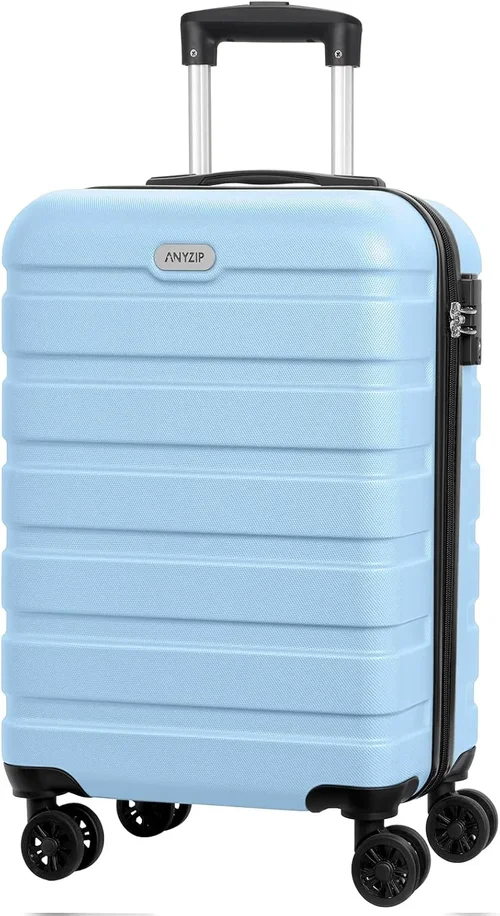
Traveling light is a noble goal—until you return from vacation with souvenirs, unexpected purchases, or that extra pair of shoes you swore you wouldn’t need. That’s where expandable luggage becomes your secret weapon. Whether you’re a weekend warrior, a frequent business traveler, or a globetrotting adventurer, having a suitcase that can grow (and shrink) with your packing needs is no longer a luxury—it’s a necessity.
In 2026, the luggage market has evolved dramatically. With airlines tightening size restrictions, travelers demanding smarter designs, and sustainability becoming a top priority, expandable suitcases are no longer just about extra inches of space. They’re about intelligent engineering, durable materials, and features that adapt to real-world travel chaos. From compression zippers to modular compartments, today’s expandable luggage blends form, function, and flexibility in ways we’ve never seen before.
This guide is designed to cut through the noise. Whether you’re shopping during a major sale event like Black Friday, Prime Day, or end-of-season clearances, or simply looking for the best value year-round, we’ll help you make a smart, informed decision. You’ll learn what truly matters when choosing expandable luggage, how to avoid common pitfalls, and which models offer the best balance of price, performance, and longevity. By the end, you’ll know exactly what to look for—and when to buy—so you can travel smarter, pack lighter (or heavier), and never stress about space again.

What to Look for When Buying Expandable Luggage
1. Expansion Mechanism & Capacity
The core feature of expandable luggage is, of course, its ability to increase in size. But not all expansion systems are created equal. Most suitcases use a zipper expansion system—typically a secondary zipper that, when unzipped, adds 1.5 to 3 inches of depth. This might not sound like much, but it can mean the difference between fitting everything and having to ship a box home.
Look for a smooth, reinforced zipper that doesn’t snag or jam under pressure. High-quality expandable zippers are often made with YKK or similar premium components and feature double stitching at stress points. Some premium models go beyond simple zippers and incorporate accordion-style gussets or pull-out panels that allow for even greater expansion—up to 40% more volume in some cases.
It’s also important to consider how the expansion affects the suitcase’s structural integrity. A well-designed expandable suitcase should remain stable and balanced even when fully expanded. Avoid models that feel flimsy or wobble when extended—this can lead to damage during transit or make maneuvering difficult at the airport.
2. Build Quality & Durability
Durability is non-negotiable when it comes to luggage. Your suitcase will be tossed, dragged, stacked, and squeezed—often by people who aren’t exactly gentle. That’s why the materials and construction matter more than ever.
The two most common materials are polycarbonate and ballistic nylon. Polycarbonate is lightweight, impact-resistant, and often used in hard-shell suitcases. It’s great for protecting fragile items and resists cracking under pressure. Brands like Samsonite and Rimowa use high-grade polycarbonate that can withstand drops from baggage carousels.
Ballistic nylon, on the other hand, is a fabric-based material known for its tear resistance and flexibility. It’s commonly found in soft-shell luggage from brands like Travelpro and Briggs & Riley. While it may scuff more easily than hard shells, it’s less likely to crack and often includes water-resistant coatings.
Reinforced corners, double-stitched seams, and metal or reinforced plastic frames add to a suitcase’s longevity. Look for models with telescoping handles made from aluminum or steel—these are less likely to bend or snap under weight. Also, check the wheels: spinner wheels (four wheels that rotate 360 degrees) should glide smoothly and be mounted on durable axles.
3. Size & Portability
Size matters—especially when it comes to airline restrictions. Most airlines allow carry-on luggage up to 22 x 14 x 9 inches, including wheels and handles. Expandable suitcases must meet these dimensions when not expanded, or they risk being checked at the gate.
When shopping, always check the external dimensions listed by the manufacturer. Some brands advertise “carry-on friendly” sizes that actually exceed limits when fully packed. A good expandable carry-on should stay within 22 inches in height and have a depth that doesn’t push past 9 inches when unexpanded.
For checked luggage, size ranges from 25 to 32 inches. Expandable models in this category can add significant volume—perfect for long trips or shopping-heavy vacations. However, be mindful of weight limits. Airlines typically allow 50 lbs (23 kg) for checked bags. A heavy suitcase with poor weight distribution can eat into your packing allowance quickly.
Portability also includes handle design and wheel performance. Telescoping handles should extend to a comfortable height and lock securely. Spinner wheels should roll quietly and smoothly over carpet, tile, and pavement. Some high-end models feature shock-absorbing wheels or all-terrain designs for rough surfaces.
4. Features & Functionality
Modern expandable luggage comes packed with features designed to make travel easier. Here’s what to look for:
– Compression Straps & Zippered Compartments: These help organize clothing and reduce shifting during transit. Look for multiple interior pockets, including mesh dividers and shoe bags.
– TSA-Approved Locks: Essential for international travel. These locks allow TSA agents to inspect your bag without damaging the lock.
– USB Charging Ports: Some premium models include built-in USB ports powered by a removable battery pack. Great for charging phones on the go—but check airline rules, as loose batteries may need to be carried in your personal item.
– Water Resistance: Especially important for soft-shell luggage. Look for water-resistant coatings or sealed zippers to protect your belongings from rain or spills.
– Removable Laundry Bags or Wet Pockets: Ideal for separating dirty clothes or swimwear.
– Smart Features: Bluetooth tracking (via apps like Apple Find My or Tile), GPS locators, and digital scales are becoming more common in high-end models.
While these features are convenient, avoid “feature overload.” A suitcase with too many gadgets can become heavy, complex, or prone to malfunction. Focus on the features that match your travel style.
5. Brand Reputation & Reliability
Not all luggage brands are created equal. Some have decades of experience and a proven track record of quality, while others are flash-in-the-pan imitations. Trusted brands like Samsonite, Travelpro, Delsey, and Away have built reputations on consistent performance and customer service.
Research brand history and customer feedback. Look for brands that offer transparent warranties and responsive support. A company that stands behind its products is more likely to deliver a durable, reliable suitcase.
That said, newer brands like Away, Monos, and July have disrupted the market with sleek designs, direct-to-consumer pricing, and strong online reviews. These brands often offer excellent value, especially during sales events.
6. Warranty & Support
A good warranty can save you hundreds in replacement costs. Most reputable brands offer at least a 5-year limited warranty covering manufacturing defects. Some, like Briggs & Riley, offer a “Simple As That” lifetime warranty that covers even airline damage.
Read the fine print. Some warranties exclude normal wear and tear, wheel damage, or zipper issues. Others require you to register your product within 30 days of purchase. Keep your receipt and packaging—many brands require proof of purchase for claims.
Customer support is equally important. Can you easily reach a human? Do they offer repair services or replacement parts? Brands with strong support networks (like Travelpro’s “No Matter What” guarantee) tend to have higher customer satisfaction.
7. User Reviews & Ratings
Never buy expandable luggage based on specs alone. Real-world user reviews reveal flaws that marketing materials won’t mention. Look for patterns in reviews: Are multiple users reporting broken zippers? Do wheels fall off after a few trips? Is the expansion zipper difficult to use?
Focus on reviews from verified purchasers and long-term users. A suitcase that works great for a weekend trip might fail on a two-week international journey. Pay attention to comments about airline handling, durability over time, and ease of use.
Sites like Amazon, REI, and Wirecutter are great resources. Also check travel forums like FlyerTalk or Reddit’s r/travel for honest, unbiased opinions.
8. Budget & Price Range
Expandable luggage spans a wide price range—from under $50 to over $500. Your budget will influence your options, but it shouldn’t be the only factor.
Cheaper models often cut corners on materials, zippers, and wheels. They may look good in photos but fail under real travel stress. Mid-range models ($100–$250) typically offer the best balance of quality and affordability. Premium models ($250+) add advanced features, better materials, and longer warranties.
Remember: a $200 suitcase that lasts 10 years is a better investment than a $70 one that breaks after two trips. Consider cost per use—not just upfront price.
Different Types of Expandable Luggage

Common Buying Mistakes to Avoid
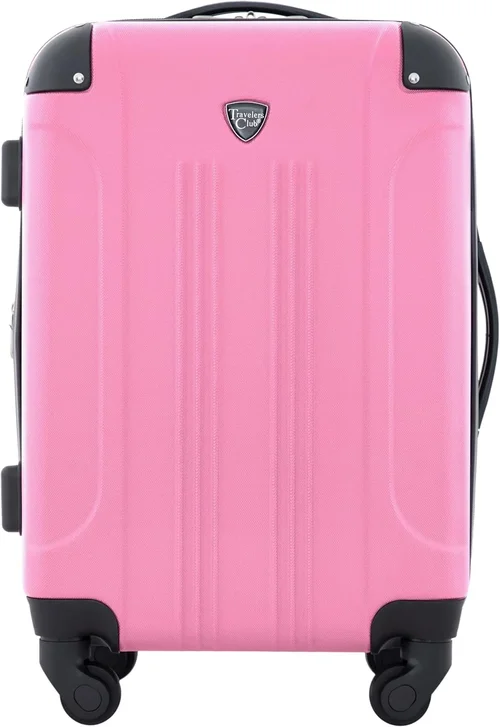
❌ Mistake: Ignoring Airline Size Restrictions
Why it’s bad: Buying a suitcase that exceeds carry-on limits means you’ll likely have to check it at the gate—adding fees, wait time, and risk of damage or loss.
What to do instead: Always verify the external dimensions (including wheels and handles) against your airline’s carry-on policy. Use a tape measure if shopping in-store.
❌ Mistake: Prioritizing Looks Over Function
Why it’s bad: A suitcase that looks great in photos may have weak zippers, poor wheels, or flimsy handles that fail under real use.
What to do instead: Focus on build quality, user reviews, and functional features. A plain black suitcase with solid construction is better than a flashy one that breaks.
❌ Mistake: Overlooking the Expansion Zipper
Why it’s bad: A poorly designed expansion zipper can jam, tear, or fail to close properly when overstuffed.
What to do instead: Test the zipper in person. Look for reinforced stitching and smooth operation. Avoid models with thin or flimsy zippers.
❌ Mistake: Buying Based on Price Alone
Why it’s bad: The cheapest suitcase often costs more in the long run due to frequent replacements.
What to do instead: Calculate cost per trip. A $200 suitcase used 20 times costs $10 per trip—better than a $70 one that lasts only twice.
❌ Mistake: Skipping the Warranty Check
Why it’s bad: Without a solid warranty, you’re on your own if the suitcase breaks.
What to do instead: Choose brands with at least a 5-year warranty. Register your product and keep receipts.
❌ Mistake: Not Testing the Handle and Wheels
Why it’s bad: A wobbly handle or sticky wheels can make travel miserable.
What to do instead: Pull the handle to full extension and roll the suitcase. It should glide smoothly and feel stable.
❌ Mistake: Ignoring Weight Limits
Why it’s bad: A heavy suitcase reduces your packing allowance and increases the risk of overweight fees.
What to do instead: Check the empty weight. Aim for under 7 lbs for carry-ons and under 10 lbs for checked bags.
Budget Guidelines: How Much Should You Spend?
– Entry-Level ($50–$100): These suitcases are best for occasional travelers or backup bags. Expect basic materials, limited features, and shorter lifespans. Look for sales on brands like American Tourister or Rockland. Avoid anything under $50—quality drops sharply.
– Mid-Range ($100–$250): This is the sweet spot for most travelers. You’ll find durable construction, reliable zippers, and useful features like compression straps and TSA locks. Brands like Samsonite, Travelpro, and Delsey offer excellent models in this range.
– Premium ($250–$400): Ideal for frequent flyers and those who value longevity. Expect high-end materials (like German polycarbonate), advanced features (USB ports, GPS tracking), and extended warranties. Brands like Away, Monos, and Briggs & Riley shine here.
– Luxury ($400+): For travelers who want the best. These suitcases offer cutting-edge design, premium finishes, and exceptional durability. Rimowa, Tumi, and Horizn Studios dominate this tier. Often worth it for business travelers or collectors.
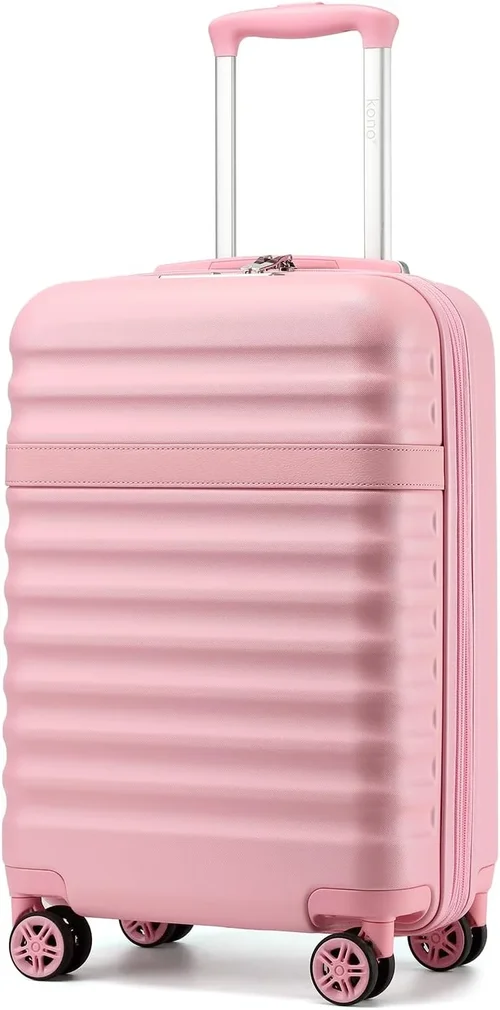
Expert Tips for Getting the Best Deal
– Buy During Off-Peak Seasons: Airlines and retailers discount luggage in January (post-holiday) and August (pre-fall). Avoid summer and holiday rushes.
– Sign Up for Newsletters: Brands often send exclusive promo codes to subscribers. You might get 10–20% off your first purchase.
– Check Retailer Return Policies: Some stores (like Costco or REI) offer generous return windows—up to a year. This gives you time to test the suitcase on a real trip.
– Compare Prices Across Sites: Use tools like Google Shopping or Honey to find the best deal. Sometimes the same model is cheaper on the brand’s website than on Amazon.
– Look for Bundle Deals: Some retailers offer discounts when you buy a set (e.g., carry-on + checked bag). This can save $50–$100.
– Consider Refurbished or Open-Box: Certified refurbished luggage from reputable sellers often comes with warranties and can cost 30–40% less.
– Test Before You Buy: If shopping in-store, load the suitcase with weight and roll it around. Does it feel stable? Does the handle lock securely?
– Read the Return Policy: Some online retailers charge restocking fees or don’t cover return shipping. Make sure you can return it if it doesn’t meet expectations.

Frequently Asked Questions
Q: Can I use expandable luggage as a carry-on?
A: Yes—but only if it meets airline size limits when not expanded. Always measure the suitcase fully packed and unexpanded. If it exceeds 22 x 14 x 9 inches, it may be checked at the gate.
Q: How much extra space does expansion really add?
A: Most expandable suitcases add 1.5 to 3 inches of depth. This can increase capacity by 20–40%, depending on the model. For example, a 40L suitcase might expand to 55L.
Q: Are hard-shell or soft-shell suitcases better for expansion?
A: Hard-shell suitcases offer better protection and a sleeker look, but expansion is usually limited to 1–2 inches. Soft-shell models can expand more (up to 3 inches) and are more flexible, but may scuff more easily.
Q: Will airlines charge extra for expandable luggage?
A: No—as long as the suitcase meets size and weight limits when checked. Expansion doesn’t affect fees unless you exceed limits when fully packed.
Q: How do I clean expandable luggage?
A: For hard shells, wipe with a damp cloth and mild soap. For soft shells, use a fabric cleaner and avoid soaking. Always air dry completely to prevent mold.
Q: Can I repair a broken expansion zipper?
A: It depends. Some brands offer replacement parts or repair services. Others may require a full replacement. Check the warranty first.
Q: Are expandable suitcases heavier?
A: Not necessarily. Many expandable models use lightweight materials and efficient designs. However, added features (like extra zippers or frames) can increase weight slightly.
Q: What’s the best way to pack an expandable suitcase?
A: Pack essentials in the main compartment first. Use compression straps to secure items. Only expand when necessary—overstuffing can stress the zipper and reduce durability.
Q: Do expandable suitcases last as long as regular ones?
A: Yes—if well-made. The expansion mechanism is just another zipper. With proper care, expandable luggage can last 10+ years.
Q: Can I track my expandable luggage if it’s lost?
A: Only if it has built-in GPS or Bluetooth tracking. Otherwise, use a separate tracker like Apple AirTag or Tile inside the bag.
Our Final Recommendations
– Best for Budget-Conscious Buyers: Samsonite Winfield 3 DLX Expandable – At around $150, it offers excellent durability, smooth spinners, and a reliable expansion zipper. A top pick for occasional travelers.
– Best Overall Value: Travelpro Platinum Elite 21” Expandable – Priced around $220, this carry-on is built for frequent flyers. It features a patented Contour Grip handle, durable fabric, and a 10-year warranty.
– Best Premium Option: Briggs & Riley Baseline Expandable Carry-On – At $450+, it’s an investment—but the lifetime warranty, superior craftsmanship, and smooth expansion make it worth it for serious travelers.
– Best for Beginners: Away The Carry-On (Expandable) – Sleek, modern, and user-friendly. At $275, it includes a built-in battery, TSA lock, and a 100-day trial. Great for first-time buyers.
– Best for Advanced Users: Monos Carry-On Pro – Combines minimalist design with smart features like a removable laundry bag and compression system. Priced at $298, it’s a favorite among digital nomads.
Conclusion: Making the Right Choice
Choosing the right expandable luggage isn’t just about finding the biggest sale—it’s about finding the right balance of durability, functionality, and value. With so many options on the market in 2026, it’s easy to get overwhelmed. But by focusing on key factors like build quality, expansion mechanism, and real user feedback, you can make a confident decision.
Remember: the best suitcase is the one that fits your travel style, meets your needs, and lasts for years. Don’t be swayed by flashy ads or steep discounts on low-quality products. Invest wisely, prioritize what matters most to you, and don’t forget to check the warranty.
Whether you’re jetting off for a weekend or embarking on a month-long adventure, the right expandable luggage will make your journey smoother, your packing smarter, and your return trip less stressful. So take your time, do your research, and when you find the perfect bag—grab it. Your future self will thank you at the baggage carousel.


