

Traveling is more than just getting from point A to point B—it’s about the journey, the experiences, and the peace of mind that comes with knowing your belongings are safe, secure, and easy to manage. In today’s fast-paced world, luggage isn’t just a suitcase; it’s a travel companion. Whether you’re a weekend warrior, a frequent business traveler, or someone planning a once-in-a-lifetime vacation, choosing the right luggage can make or break your trip. With countless options flooding the market, it’s easy to feel overwhelmed by flashy marketing claims, confusing technical specs, and inconsistent quality. That’s why this guide exists—to cut through the noise and help you make an informed decision based on real-world performance, durability, and value.
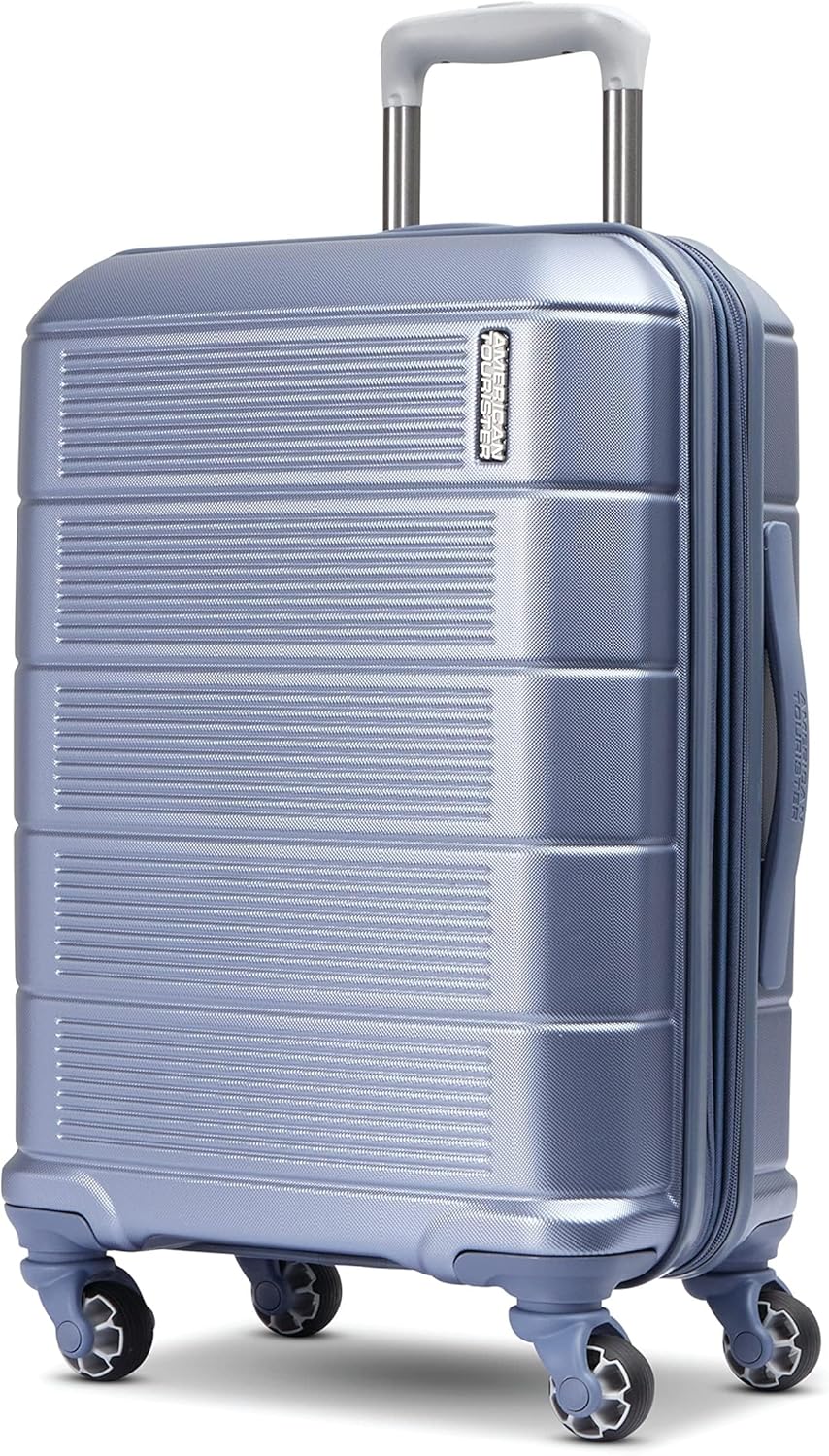
In this comprehensive buying guide, we’ll take a deep dive into two of American Tourister’s most popular hardside luggage lines: the Arrow Expandable Hardside and the Triumph NX. These two collections represent different philosophies in suitcase design—one focused on affordability and expandability, the other on premium materials and refined aesthetics. We’ll compare them across every critical dimension: build quality, weight, maneuverability, storage features, durability under stress, warranty coverage, and overall user satisfaction. By the end of this article, you’ll not only understand how these two models stack up against each other but also gain the tools to evaluate any luggage purchase with confidence. Whether you’re shopping for your first checked bag or upgrading from an old, battered suitcase, this guide will equip you with expert insights, practical tips, and actionable advice tailored to your travel needs.
The global luggage market has exploded in recent years, driven by rising air travel, increased consumer expectations, and a growing emphasis on personalization and style. According to industry reports, the global travel luggage market is projected to exceed $30 billion by 2027, with hardside suitcases gaining significant market share due to their sleek appearance and enhanced protection. Within this competitive landscape, American Tourister—a subsidiary of Samsonite—has carved out a strong position as a brand that balances affordability with reliability. Their Arrow and Triumph NX lines exemplify this balance, but they cater to distinctly different traveler profiles. The Arrow series emphasizes practicality and budget-friendliness, making it ideal for students, occasional travelers, or families looking for durable, no-frills luggage. In contrast, the Triumph NX leans into premium finishes, lightweight engineering, and sophisticated design cues aimed at discerning travelers who want both form and function. Understanding these differences isn’t just about picking a suitcase—it’s about aligning your purchase with your lifestyle, travel frequency, and long-term expectations.
What to Look for When Buying Buying Guide
1. Budget & Price Range
One of the first—and most important—factors to consider when buying luggage is your budget. Luggage prices can range from under $50 for basic softside bags to over $500 for high-end hardside models with advanced features. The American Tourister Arrow and Triumph NX fall into different tiers within this spectrum. The Arrow Expandable Hardside typically retails between $80 and $120, making it an entry-to-mid-level option that offers solid value for money. It’s designed for travelers who want reliable performance without breaking the bank. On the other hand, the Triumph NX commands a higher price point, usually ranging from $150 to $220, depending on size and retailer. This reflects its use of lighter materials, more refined construction, and additional design elements like brushed-metal finishes and integrated TSA locks. When evaluating price, don’t just look at the sticker cost—consider the cost per trip. A $100 suitcase that lasts five years is a better investment than a $60 bag that cracks after two flights. Always factor in expected usage: if you travel frequently or check bags often, spending a bit more upfront can save you money (and stress) down the line.
2. Performance Specifications
Performance specs go beyond just dimensions—they include weight, wheel type, handle mechanics, and expansion capabilities. The Arrow Expandable Hardside weighs approximately 7.5 to 8.5 pounds (depending on size), which is fairly standard for polycarbonate hardside luggage. Its four double-spinner wheels provide smooth 360-degree rotation, though some users report slight wobbling on uneven surfaces. The telescoping handle extends to a comfortable height and locks securely, but it lacks the ultra-smooth glide found in premium models. In contrast, the Triumph NX is notably lighter, tipping the scales at around 6.8 to 7.2 pounds. This weight reduction comes from advanced polycarbonate blends and optimized shell geometry. Its spinner wheels are larger and more precisely engineered, offering quieter, more stable movement—even on cobblestones or airport carpets. The handle system on the Triumph NX also features a dual-stage locking mechanism and ergonomic grip, reducing hand fatigue during long walks through terminals. Expansion is another key differentiator: the Arrow offers a generous 2-inch expansion zipper, ideal for souvenir-heavy trips, while the Triumph NX includes a similar feature but with reinforced stitching and a more seamless interior liner. For travelers who prioritize agility and ease of movement, the Triumph NX’s performance edge is hard to ignore.
3. Build Quality & Durability
Durability is where hardside luggage truly shines—and where the difference between budget and premium construction becomes apparent. Both the Arrow and Triumph NX use polycarbonate shells, known for their impact resistance and flexibility. However, the thickness and layering of the material differ significantly. The Arrow uses a single-layer polycarbonate shell that’s adequate for light-to-moderate use but may show stress cracks under repeated heavy loading or rough handling. Independent drop tests have shown that while the Arrow can survive typical baggage conveyor abuse, it’s more prone to denting and corner damage than higher-end models. The Triumph NX, meanwhile, employs a multi-layer polycarbonate composite that enhances structural integrity without adding bulk. This results in better resistance to cracking, better load distribution, and improved longevity. Reinforced corners—a hallmark of premium luggage—are standard on the Triumph NX but only partially implemented on the Arrow. Additionally, the zippers on the Arrow are functional but basic, while the Triumph NX features heavy-duty YKK zippers with anti-snag technology. If you’re someone who checks bags regularly or travels to destinations with less-than-gentle baggage handling, investing in the Triumph NX’s superior build quality is a smart move.
4. Features & Functionality
Modern luggage isn’t just about carrying clothes—it’s about organization, security, and convenience. The Arrow Expandable Hardside includes a simple interior with one zippered compartment, elastic straps, and a modest mesh pocket. It’s functional but minimalist, which may leave frequent travelers wanting more structure. The lack of a built-in TSA lock is a notable omission, requiring users to purchase a separate lock if they want enhanced security. The Triumph NX, however, comes fully equipped with a TSA-approved combination lock integrated directly into the shell—a major plus for international travelers. Its interior is far more sophisticated, featuring a zippered divider, multiple mesh pockets, compression straps, and even a removable laundry bag in larger sizes. The exterior also includes a convenient front pocket on select models, perfect for stashing boarding passes, chargers, or snacks. Another functional advantage of the Triumph NX is its color consistency and finish quality. While the Arrow’s paint can chip or fade over time, the Triumph NX’s brushed metallic and matte finishes are more resistant to scuffs and maintain their appearance longer. For travelers who value organization and peace of mind, the Triumph NX’s feature set provides a tangible upgrade over the Arrow.
5. Brand Reputation
American Tourister has been a trusted name in travel gear since 1933, and its reputation for delivering reliable, affordable luggage is well-earned. As part of the Samsonite family, it benefits from decades of R&D, global distribution, and rigorous testing standards. However, not all American Tourister lines are created equal. The Arrow series is positioned as an entry-level offering—great for first-time buyers or those on tight budgets—but it doesn’t carry the same prestige as the Triumph NX, which is marketed as a “premium accessible” line. Consumer reviews consistently praise the Arrow for its value and basic reliability, but many note that it lacks the refinement expected from a modern travel companion. The Triumph NX, on the other hand, receives higher marks for design, feel, and overall user experience. It’s often compared favorably to mid-tier brands like Delsey and Travelpro. When considering brand reputation, think about what matters most: if you prioritize affordability and brand trust, the Arrow delivers. But if you want a suitcase that feels premium and reflects a higher level of craftsmanship, the Triumph NX aligns better with elevated expectations.
6. Warranty & Support
A strong warranty is a silent indicator of a manufacturer’s confidence in its product. American Tourister backs both the Arrow and Triumph NX with a limited 5-year warranty that covers defects in materials and workmanship. This is competitive within the industry and applies globally, which is helpful for international travelers. However, the warranty does not cover normal wear and tear, cosmetic damage, or damage caused by airline mishandling—standard exclusions across most luggage brands. What sets the Triumph NX apart is the level of customer support. Owners frequently report faster response times, more helpful service agents, and better resolution rates compared to the Arrow line. This may be due to the Triumph NX’s positioning as a premium product, prompting American Tourister to allocate more resources to its support ecosystem. Additionally, the Triumph NX often comes with a digital registration option, allowing users to activate their warranty online and access exclusive care tips and replacement part discounts. While both models are covered under the same official policy, the real-world support experience tends to be smoother with the Triumph NX—especially if you encounter issues mid-trip.
7. Size & Portability
Size matters—not just for airline compliance, but for ease of use. Both the Arrow and Triumph NX are available in carry-on (20”), medium (24”), and large (28”) sizes, adhering to standard IATA dimensions. The carry-on versions fit comfortably in overhead bins on most domestic and international flights, though ultra-low-cost carriers may enforce stricter limits. Where the two diverge is in portability beyond size. The Arrow’s slightly heavier build can make it more cumbersome when fully packed, especially for travelers with mobility concerns or those navigating stairs. The Triumph NX’s lighter weight gives it a clear advantage in maneuverability, reducing strain during long airport walks or tight connections. Both feature top and side handles, but the Triumph NX’s handles are padded and contoured for better grip comfort. Another portability factor is storage when not in use: the Arrow’s rigid shell makes nesting difficult, while the Triumph NX’s slightly more flexible design allows for better stacking in closets or under beds. For travelers who value ease of movement and compact storage, the Triumph NX offers subtle but meaningful improvements.
8. User Reviews & Ratings
Nothing beats real-world feedback. Across major retail platforms like Amazon, Walmart, and Target, the American Tourister Arrow holds an average rating of 4.2 to 4.4 stars, with thousands of reviews praising its affordability, expandability, and decent durability for the price. Common complaints include wheel wobble, zipper snags, and shell scuffing after a few trips. The Triumph NX earns consistently higher marks—typically 4.6 to 4.8 stars—with users highlighting its lightweight design, smooth wheels, and premium feel. Negative reviews for the Triumph NX are rare but usually cite higher cost or minor cosmetic imperfections upon delivery. Importantly, long-term users (those with 2+ years of experience) report that the Triumph NX holds up significantly better than the Arrow, with fewer reports of cracks, broken handles, or wheel failures. This longevity factor is crucial: a suitcase that lasts five years with minimal issues is objectively better than one that needs replacing after two, even if the upfront cost is higher. When reading reviews, pay attention to verified purchases and detailed experiences—these offer the most reliable insight into real performance.
Different Types of Buying Guide

Common Buying Mistakes to Avoid

❌ Mistake: Choosing Based Solely on Price
Why it’s bad: Opting for the cheapest suitcase might save you $30 today, but it could cost you $100 in replacements or lost belongings tomorrow. Low-cost luggage often uses thin shells, weak zippers, and poorly aligned wheels that fail under stress.
What to do instead: Calculate the cost per trip. If you travel 4+ times a year, spending $150 on a durable suitcase like the Triumph NX makes more sense than buying a $80 Arrow that cracks after two trips.
❌ Mistake: Ignoring Weight Limits
Why it’s bad: A heavy empty suitcase eats into your baggage allowance. Airlines typically allow 50 lbs for checked bags—if your empty bag weighs 9 lbs, you only have 41 lbs for clothes and gear.
What to do instead: Prioritize lightweight models like the Triumph NX (under 7.5 lbs) over heavier alternatives. Every pound saved is a pound you can use for souvenirs or essentials.
❌ Mistake: Overlooking Wheel Quality
Why it’s bad: Cheap wheels wobble, jam, or break, turning a simple walk through the airport into a frustrating ordeal. Spinner wheels should glide silently and pivot smoothly.
What to do instead: Test the wheels in-store if possible. Look for double-spinner systems with sealed bearings—like those on the Triumph NX—for maximum stability.
❌ Mistake: Skipping the Warranty Check
Why it’s bad: Without a solid warranty, you’re on your own if the handle breaks or the shell cracks. Some brands offer only 1-year coverage, which is inadequate for long-term use.
What to do instead: Always verify warranty length and terms. American Tourister’s 5-year coverage is a strong selling point for both Arrow and Triumph NX.
❌ Mistake: Buying Without Expansion
Why it’s bad: Non-expandable suitcases limit your packing flexibility. You might have to leave behind that extra sweater or bottle of wine.
What to do instead: Choose expandable models like the Arrow or Triumph NX, which offer 2 inches of extra space when needed—without compromising structure.
❌ Mistake: Ignoring Interior Organization
Why it’s bad: A chaotic interior leads to wrinkled clothes, lost items, and frustration at your destination. Poorly designed compartments waste space.
What to do instead: Look for zippered dividers, mesh pockets, and compression straps—features the Triumph NX includes but the Arrow lacks.
❌ Mistake: Not Considering Airline Policies
Why it’s bad: Some ultra-low-cost carriers enforce strict size and weight limits. A suitcase that’s fine for Delta might be rejected by Ryanair.
What to do instead: Check your most-used airline’s baggage rules before buying. Both Arrow and Triumph NX carry-ons meet standard IATA dimensions, but always double-check.
Budget Guidelines: How Much Should You Spend?
- Entry-Level ($70–$120): This is the sweet spot for occasional travelers and students. The American Tourister Arrow fits perfectly here—offering expandability, decent durability, and brand reliability at an accessible price. Expect basic features, standard polycarbonate shells, and functional but not luxurious interiors.
- Mid-Range ($150–$220): Ideal for frequent flyers and those who value quality. The Triumph NX dominates this tier with its lightweight build, TSA lock, superior wheels, and refined design. This range offers the best balance of performance, longevity, and aesthetics.
- Premium ($250–$400): For travelers who want top-tier materials, lifetime warranties, and designer appeal. Brands like Rimowa, Away, and Tumi operate here. While American Tourister doesn’t compete directly in this space, the Triumph NX bridges the gap for those wanting premium feel without premium pricing.
- Luxury ($400+): Reserved for collectors, gifts, or ultra-frequent travelers. These suitcases often feature aluminum shells, custom monogramming, and concierge-level support. Not necessary for most users, but worth considering if travel is a core part of your lifestyle.

Expert Tips for Getting the Best Deal
- Shop during off-peak seasons: Luggage sales spike before summer and holiday travel. Buy in January or September for the best discounts—retailers clear inventory to make room for new models.
- Use price-tracking tools: Websites like CamelCamelCamel (for Amazon) or Honey can alert you when the Arrow or Triumph NX drops in price. Set alerts and wait for a deal.
- Check warehouse clubs: Costco, Sam’s Club, and BJ’s often carry American Tourister at reduced prices—sometimes with extended return windows.
- Look for bundle deals: Some retailers offer discounts when you buy multiple sizes (e.g., carry-on + large). This is great for families or frequent travelers.
- Register your warranty immediately: Even if you don’t plan to use it, registration ensures you’re covered from day one. Some brands require it for claims.
- Inspect before leaving the store: If buying in-person, open the suitcase, test the wheels, extend the handle, and check for defects. Most issues are easier to resolve on the spot.
- Consider certified refurbished: American Tourister occasionally offers refurbished Triumph NX models at 20–30% off. These are inspected, cleaned, and come with full warranties.
- Read the fine print on returns: Some online retailers charge restocking fees or won’t accept returns if the tag is removed. Know the policy before you buy.

Frequently Asked Questions
Q: Is the American Tourister Arrow worth buying in 2026?
A: Yes—if you’re on a tight budget or travel infrequently. The Arrow offers solid value, expandability, and decent durability for casual use. However, if you check bags often or want a more refined experience, consider upgrading to the Triumph NX.
Q: How does the Triumph NX compare to Samsonite?
A: As a Samsonite brand, American Tourister shares technology and quality standards. The Triumph NX is comparable to Samsonite’s Lite-Shock or Winfield 3.0 lines—lighter and more feature-rich than the Arrow, but not as premium as top-tier Samsonite models.
Q: Can I use the Arrow or Triumph NX as a carry-on?
A: Yes. The 20” carry-on versions of both models meet standard IATA dimensions (22″ x 14″ x 9″). Always confirm with your airline, as some regional carriers have stricter limits.
Q: Do these suitcases come with a TSA lock?
A: The Arrow does not include a TSA lock; you’ll need to purchase one separately. The Triumph NX features a built-in TSA-approved combination lock—a significant convenience for international travel.
Q: How do I clean my American Tourister suitcase?
A: Use a damp cloth with mild soap for the exterior. Avoid harsh chemicals that can damage the polycarbonate finish. For the interior, vacuum or shake out debris, and spot-clean stains with a gentle fabric cleaner.
Q: What if my wheel breaks?
A: Both models are covered under American Tourister’s 5-year warranty. Contact customer service with your proof of purchase, and they’ll guide you through repair or replacement options—often free of charge.
Q: Are the colors fade-resistant?
A: The Triumph NX’s finishes are more resistant to fading and scuffing than the Arrow’s. Darker colors (black, navy) hold up better than bright hues like red or pink, which may show wear over time.
Q: Can I expand both suitcases mid-flight?
A: Technically yes, but it’s not recommended. Expansion increases the suitcase’s depth, which may cause it to exceed carry-on limits in the overhead bin. Use expansion only when checking the bag.
Q: Is the interior washable?
A: The lining is not machine-washable, but it can be spot-cleaned. Remove loose items and use a damp cloth with mild detergent. Allow to air dry completely before reuse.
Q: Which is better for international travel?
A: The Triumph NX is the clear winner for international trips due to its TSA lock, lighter weight (saving on baggage fees), and more durable construction—ideal for long-haul flights and varied handling conditions.
Our Final Recommendations
- Best for Budget-Conscious Buyers: American Tourister Arrow Expandable Hardside – At under $120, it delivers reliable performance, expandability, and brand trust. Perfect for students, weekend travelers, or families needing extra luggage without overspending.
- Best Overall Value: American Tourister Triumph NX – With its lightweight design, TSA lock, superior wheels, and premium feel, the Triumph NX offers the best balance of price, performance, and longevity. It’s the smart choice for most travelers.
- Best Premium Option: While American Tourister doesn’t offer a true luxury line, the Triumph NX comes closest—providing high-end features at a mid-range price. For a step up, consider Samsonite’s Lite-Shock or Delsey’s Chatelet.
- Best for Beginners: Arrow Expandable Hardside – Simple, affordable, and easy to use. Great for first-time luggage buyers or those transitioning from softside bags.
- Best for Advanced Users: Triumph NX – Frequent flyers, business travelers, and organization enthusiasts will appreciate its thoughtful design, durability, and travel-ready features.
Conclusion: Making the Right Choice
Choosing between the American Tourister Arrow Expandable Hardside and the Triumph NX ultimately comes down to your priorities. If affordability and basic functionality are your main concerns, the Arrow is a trustworthy, no-nonsense option that won’t let you down on short trips. But if you value longevity, ease of use, and a more polished travel experience, the Triumph NX is worth the extra investment. It’s lighter, smoother, better organized, and built to withstand the rigors of modern travel. Remember: luggage is not a disposable item—it’s a long-term companion. Don’t let short-term savings lead to long-term frustration. Take the time to assess your travel habits, compare features honestly, and choose the suitcase that aligns with your lifestyle. Whether you go with the Arrow or the Triumph NX, you’re getting a product from a reputable brand with a proven track record. Now, go forth, pack smart, and travel with confidence. Your next adventure deserves the right gear.


