How to Choose Carry-On Luggage 2026
Traveling light doesn’t mean sacrificing comfort or convenience—especially when you’ve got the right carry-on luggage by your side. In 2026, the market for carry-on expandable rollaboard luggage is more competitive than ever, with brands pushing the boundaries of design, durability, and smart functionality. Whether you’re a frequent business traveler, a weekend adventurer, or someone who simply values efficiency at the airport, choosing the right carry-on can make or break your travel experience. From navigating tight overhead bins to surviving rough baggage handling, your luggage is more than just a bag—it’s your mobile command center.
This comprehensive buying guide is designed to help you cut through the noise and make an informed decision. We’ll walk you through every critical factor—from size and weight to materials, wheels, and expandability—so you can find a rollaboard that fits your lifestyle, budget, and travel habits. You’ll learn how to avoid common pitfalls, understand what features truly matter, and discover which models offer the best value for your money. By the end, you’ll have the confidence to choose a carry-on that not only meets airline regulations but also enhances your journey from departure to destination.
The carry-on luggage market in 2026 is flooded with options, ranging from budget-friendly softshells to high-end hardshells with built-in tech. Brands like Samsonite, Travelpro, Away, and Rimowa continue to innovate, while newer players like Monos and July are shaking up the industry with sleek designs and direct-to-consumer models. With so many choices, it’s easy to feel overwhelmed. But don’t worry—this guide will equip you with the knowledge to navigate the landscape like a pro. Whether you’re upgrading your old suitcase or buying your first quality rollaboard, we’ve got you covered.

What to Look for When Buying Carry-On Luggage
1. Size & Airline Compliance
One of the most critical factors when choosing carry-on luggage is ensuring it meets airline size restrictions. Most major U.S. airlines—including Delta, American, United, and Southwest—allow carry-ons with maximum dimensions of 22” x 14” x 9” (including wheels and handles). However, international carriers like Lufthansa, British Airways, and Emirates often have stricter limits, sometimes as small as 21.6” x 13.7” x 7.8”. Always check your airline’s specific policy before purchasing.
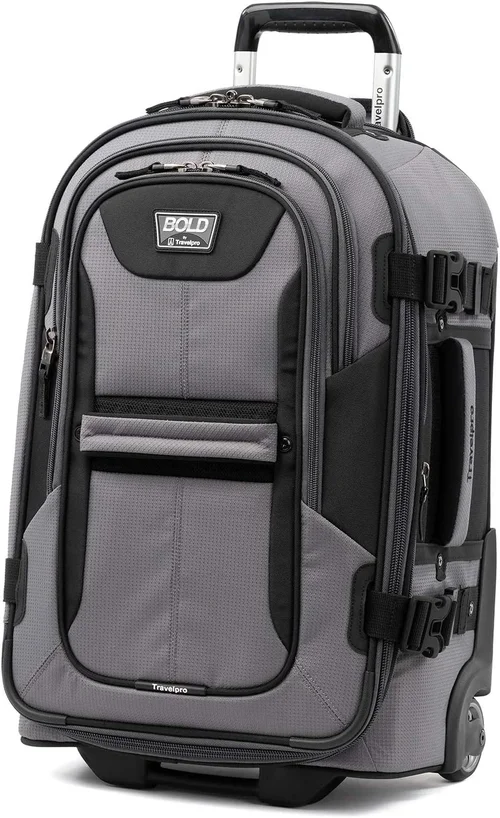
Expandable rollaboards add another layer of complexity. While they offer extra packing space when needed, the expanded size may exceed carry-on limits. Look for models that expand by 1.5 to 2.5 inches—enough for a few extra souvenirs without pushing you into checked baggage territory. Some brands, like Travelpro and Briggs & Riley, design their expandable bags to stay within standard limits even when expanded, thanks to flexible side panels or compression zippers.
Also consider internal volume. A typical carry-on holds 35–45 liters when unexpanded. If you’re a light packer, a 35L bag may suffice. Frequent travelers or those who like to shop abroad should aim for 40L or more. Always measure your bag with a tape measure before your first trip—don’t rely solely on manufacturer specs, as some brands inflate their numbers.
2. Weight & Portability
Every ounce counts when you’re navigating airports, climbing stairs, or lifting your bag into an overhead bin. A lightweight carry-on frees up precious weight allowance for your belongings. Most quality rollaboards weigh between 6 and 9 pounds. Anything over 10 pounds starts to feel heavy, especially when fully packed.
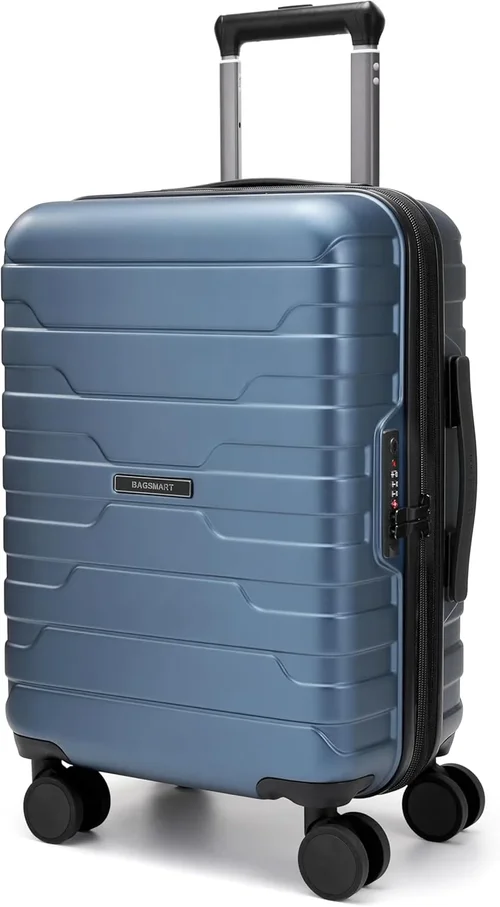
Materials play a big role in weight. Polycarbonate hardshells (like those from Away and Monos) are durable but can be heavier than softshells made from ballistic nylon or polyester. However, newer lightweight polycarbonates—such as those used in the Samsonite Winfield 3 DLX—are breaking the mold, offering strength without the bulk.
Portability also depends on ergonomics. Look for a telescoping handle with multiple height settings and a comfortable grip. A well-balanced bag should glide smoothly and feel stable when pulled. Test the handle’s extension and retraction—cheap models often jam or wobble. Also, consider the bag’s center of gravity. A top-heavy design makes it harder to control, especially on uneven surfaces.
3. Build Quality & Durability
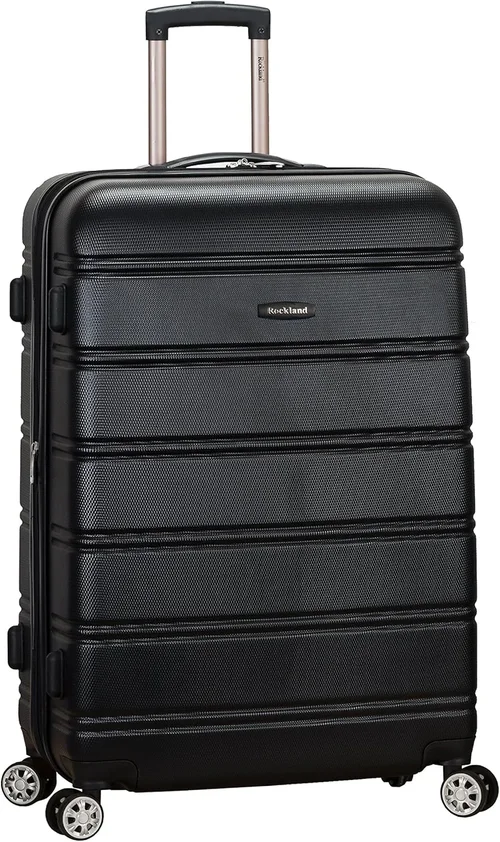
Your carry-on should withstand the rigors of travel—rough handling, weather exposure, and constant movement. Durability starts with materials. Hardshell luggage made from polycarbonate or ABS is excellent for protecting fragile items and resisting impacts. Softshell bags, typically made from nylon or polyester, are more flexible and often lighter, but may not offer the same level of protection against crushing.
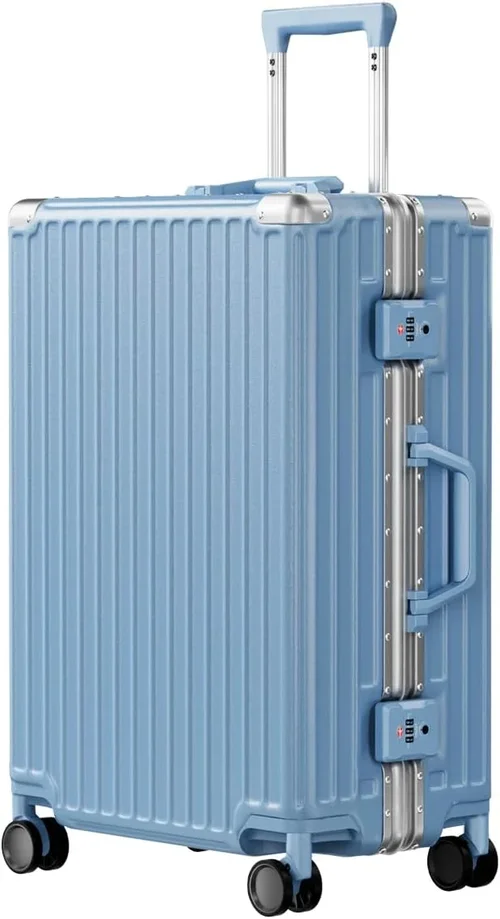
Check the quality of zippers. YKK zippers are the gold standard—they’re smooth, strong, and less likely to break under stress. Avoid bags with flimsy plastic zippers or those that don’t zip fully closed. Reinforced corners and stress points (like the bottom and handle mounts) are also essential. Brands like Rimowa and Briggs & Riley use aluminum corner guards and reinforced frames to prevent damage.
Stitching and seam construction matter too. Double or triple stitching along stress points increases longevity. Look for heat-welded seams on hardshells, which prevent water ingress and add structural integrity. Finally, inspect the wheels and handle mechanism—these are the most common failure points. A well-built bag should feel solid, not creaky or loose.
4. Wheels & Maneuverability
The wheels are arguably the most important part of a rollaboard. In 2026, the best carry-ons feature 360-degree spinner wheels—four multidirectional casters that allow you to glide your bag in any direction with minimal effort. These are ideal for busy airports, tight corridors, and crowded terminals.
Look for wheels made from durable polyurethane or rubber. Hard plastic wheels may be cheaper but wear down quickly and make noise on tile floors. Larger wheels (around 2.5–3 inches in diameter) roll more smoothly over cracks, carpet, and uneven pavement. Some premium models, like the Travelpro Platinum Elite, use “quiet glide” technology to reduce noise and vibration.
Test the turning radius. A good spinner should pivot effortlessly with a light touch. Avoid bags that pull to one side or require constant correction. Also, check the wheel housing—exposed wheels are more prone to damage. Some brands, like Away, recess the wheels slightly for added protection.
5. Expandability & Storage Features
Expandable carry-ons offer flexibility—pack light for short trips, then expand for longer journeys or souvenir hauls. Most expand via a zipper that adds 1.5 to 2.5 inches of depth. This feature is especially useful for business travelers who may need to pack a suit or extra shoes.
However, not all expandable bags are created equal. Some use a simple gusset zipper, while others have a full-width expansion panel. The latter offers more even expansion and better weight distribution. Look for a bag that maintains structural integrity when expanded—cheap models may sag or lose shape.
Internal organization is just as important. Quality carry-ons include compression straps, zippered compartments, and mesh pockets to keep clothes neat and secure. Some models, like the July Carry-On Pro, feature a removable laundry bag and shoe compartment. Others have built-in tech pockets for laptops, tablets, or charging cables. Consider how you pack—do you prefer everything in one large compartment, or do you like to separate clean and dirty items?
6. Security Features
Protecting your belongings is essential, especially in crowded airports or hotel lobbies. Look for carry-ons with TSA-approved locks. These allow Transportation Security Administration agents to open and inspect your bag without damaging the lock. Most reputable brands include TSA locks, but double-check before buying.
Some high-end models offer additional security features, such as RFID-blocking pockets to protect credit cards and passports from electronic theft. Others have tamper-resistant zippers or hidden compartments. While no bag is completely theft-proof, these features add an extra layer of peace of mind.
Also consider visibility. A brightly colored or uniquely designed bag is easier to spot on the baggage carousel and less likely to be mistaken for someone else’s. If you prefer a more discreet look, opt for a bag with reflective accents or a distinctive pattern.
7. Brand Reputation & Customer Support
Not all luggage brands are created equal. Established names like Samsonite, Travelpro, and Rimowa have decades of experience and a proven track record for quality. They also offer better customer service, including repair services and replacement parts. Travelpro, for example, provides free repairs for life on many of its models—a huge advantage if your bag gets damaged.
Newer direct-to-consumer brands like Away, Monos, and July have gained popularity for their sleek designs and competitive pricing. While they often deliver excellent value, their long-term durability and support networks may not yet match those of legacy brands. Read customer reviews and check warranty terms before committing.
Pay attention to how brands handle complaints. A company that responds quickly and fairly to issues is more likely to stand behind its products. Look for brands with transparent return policies and easy-to-access customer service channels.
8. Warranty & Return Policy
A strong warranty is a sign of confidence in a product’s quality. Most premium carry-ons come with a 5- to 10-year warranty, covering defects in materials and workmanship. Some brands, like Briggs & Riley, offer a “simple as that” lifetime guarantee—if your bag breaks, they’ll fix or replace it, no questions asked.
Read the fine print. Many warranties exclude damage from normal wear and tear, misuse, or airline handling. Travelpro’s “Worry-Free” warranty, for instance, covers airline damage for the first year. Make sure you understand what’s covered and what’s not.
Return policies are equally important. Most online retailers offer 30-day returns, but some brands extend this to 60 or even 100 days. This gives you time to test the bag on a real trip. If you buy in-store, check the return window and whether you need a receipt or original packaging.
Different Types of Carry-On Luggage

Common Buying Mistakes to Avoid
❌ Mistake: Ignoring Airline Size Restrictions
Why it’s bad: Buying a bag that’s too big can result in forced checking at the gate, extra fees, and delays. Even if it fits in the overhead bin on one flight, it might not on another.
What to do instead: Always measure your bag and compare it to your airline’s carry-on policy. Use a soft tape measure and include wheels and handles. When in doubt, go smaller.
❌ Mistake: Prioritizing Looks Over Function
Why it’s bad: A stylish bag with poor wheels or a weak handle will frustrate you on every trip. Fashion shouldn’t come at the expense of functionality.
What to do instead: Choose a design you love, but prioritize features like smooth wheels, a sturdy handle, and reliable zippers. A great-looking bag is worthless if it breaks after one trip.
❌ Mistake: Overlooking Weight
Why it’s bad: A heavy empty bag leaves less room for your belongings. On budget airlines with strict weight limits, this can mean paying extra or leaving items behind.
What to do instead: Weigh your bag before buying. Aim for under 8 pounds for maximum flexibility. Consider lightweight materials like polycarbonate or ripstop nylon.
❌ Mistake: Skipping the Warranty Check
Why it’s bad: Luggage takes a beating. Without a good warranty, you could be stuck with repair costs or a replacement out of pocket.
What to do instead: Always check the warranty terms. Look for at least a 5-year coverage and brands that offer repair services. Avoid bags with “limited” or “non-transferable” warranties.
❌ Mistake: Buying Based on Price Alone
Why it’s bad: The cheapest bag may save you $50 now but cost you $200 in replacements over time. Quality luggage is an investment.
What to do instead: Set a budget range and compare value, not just price. A $200 bag that lasts 10 years is better than a $100 bag that breaks in two.
❌ Mistake: Not Testing the Handle and Wheels
Why it’s bad: A wobbly handle or sticky wheels can turn a short walk into a nightmare. These are the most used parts of your bag.
What to do instead: If buying in-store, extend the handle and roll the bag around. If online, read reviews that mention maneuverability. Look for phrases like “smooth glide” or “easy to steer.”
❌ Mistake: Forgetting About Expandability Needs
Why it’s bad: A non-expandable bag might be too small for longer trips, while an overly expandable one could exceed carry-on limits.
What to do instead: Assess your travel habits. If you often return with extra items, choose a bag with moderate expandability (1.5–2 inches). Avoid models that expand more than 3 inches unless you’re prepared to check it.
Budget Guidelines: How Much Should You Spend?
When it comes to carry-on luggage, price often reflects quality—but that doesn’t mean you need to break the bank. Here’s a breakdown of what to expect at different price points in 2026:
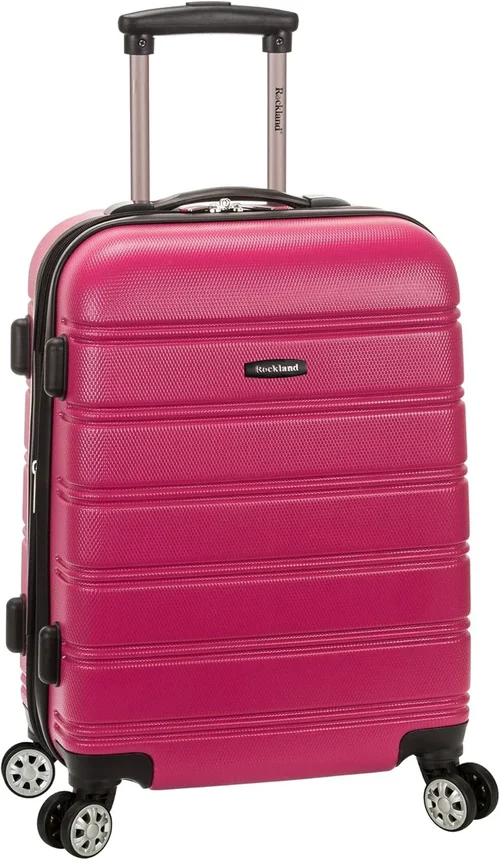
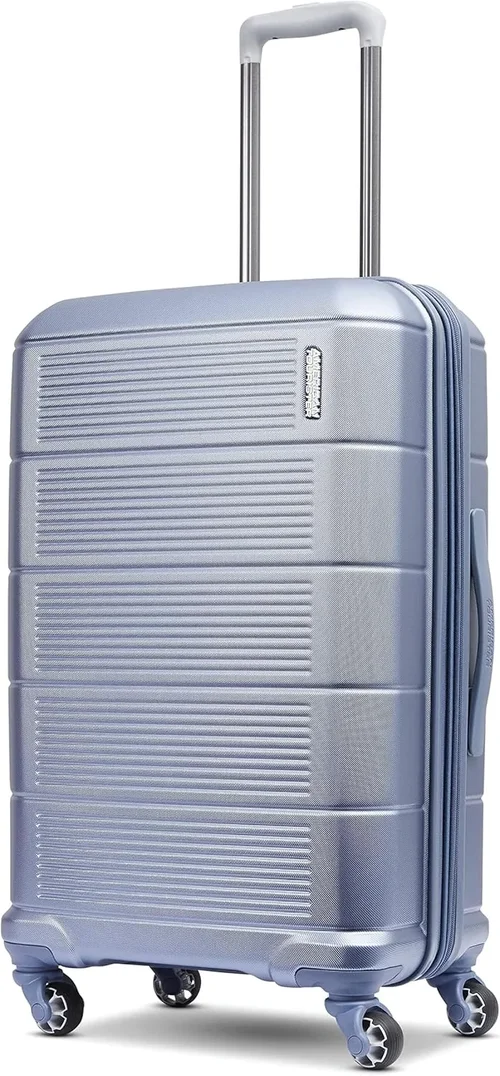
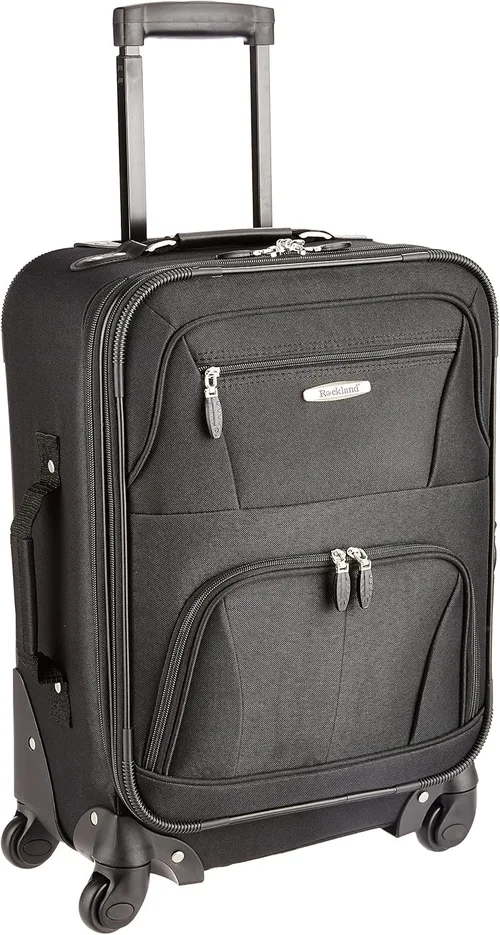
Entry-Level ($80–$150): These bags are great for occasional travelers or those on a tight budget. You’ll find basic softshell models from brands like American Tourister or Rockland. Expect decent materials and functionality, but compromises in durability, wheel quality, and warranty. Zippers may be plastic, and handles might not be as smooth. Ideal for short trips or as a backup bag.
Mid-Range ($150–$250): This is the sweet spot for most travelers. Brands like Samsonite, Travelpro, and July offer excellent value here. You’ll get quality materials (polycarbonate or ballistic nylon), reliable YKK zippers, smooth spinner wheels, and solid warranties (5–7 years). Many include expandability, TSA locks, and thoughtful organization. These bags balance price, performance, and longevity.
Premium ($250–$400): For frequent flyers and those who demand the best, premium bags offer top-tier construction and features. Think Rimowa, Briggs & Riley, and Away. Expect lightweight yet durable materials, precision-engineered wheels, ergonomic handles, and advanced organization. Many include lifetime warranties and repair services. These bags are built to last decades.
Luxury ($400+): At this level, you’re paying for craftsmanship, exclusivity, and brand prestige. Rimowa’s aluminum cases or Tumi’s ballistic nylon rollaboards fall here. These bags often feature hand-finished details, custom hardware, and limited editions. While they offer exceptional quality, the value proposition depends on how much you value aesthetics and status.
Expert Tips for Getting the Best Deal
Finding the right carry-on doesn’t have to mean paying full price. With a few smart strategies, you can save money without sacrificing quality.
- Shop During Sales: The best times to buy luggage are post-holiday (January), back-to-school (August), and Black Friday (November). Many retailers offer 20–40% off during these periods.
- Check Outlet Stores: Brands like Samsonite and Travelpro have outlet locations and online outlets with discounted overstock and discontinued models. These are often identical to retail versions but at lower prices.
- Compare Online Retailers: Prices can vary significantly between Amazon, brand websites, and specialty stores like REI or Luggage Pros. Use price-tracking tools like Honey or CamelCamelCamel to find the lowest price.
- Look for Bundle Deals: Some brands offer discounts when you buy multiple items—like a carry-on and a personal item. July, for example, often includes a free packing cube set with purchases.
- Read Return Policies Carefully: Make sure you can return the bag if it doesn’t meet your expectations. Some online retailers charge restocking fees or require original packaging.
- Test Before You Commit: If possible, visit a store to test the bag in person. Roll it, extend the handle, and check the zippers. Online reviews are helpful, but nothing beats hands-on experience.
- Consider Refurbished Models: Some brands sell certified refurbished luggage at 30–50% off. These are inspected, repaired, and often come with the same warranty as new bags.
- Sign Up for Newsletters: Many brands offer 10–15% off your first purchase when you subscribe to their email list. It’s a small step that can lead to big savings.

Frequently Asked Questions
Q: Can I bring an expandable carry-on on every flight?
A: It depends on the airline and whether the bag is expanded. Most airlines allow carry-ons up to 22” x 14” x 9”. If your bag exceeds these dimensions when expanded, you may be required to check it. Always measure your bag in both configurations and check your airline’s policy.
Q: Are hardshell bags better than softshell?
A: It depends on your needs. Hardshells offer better protection for fragile items and are more water-resistant, but they can be heavier and less flexible. Softshells are lighter and can squeeze into tight spaces, but may not protect against crushing. Choose based on your travel style.
Q: How long should a good carry-on last?
A: A quality carry-on should last 5–10 years with regular use. Premium brands often last even longer, especially with proper care and warranty support. Look for durable materials, strong zippers, and a solid warranty.
Q: Do I need a TSA lock?
A: While not required, a TSA-approved lock is highly recommended. It allows security agents to inspect your bag without damaging the lock. Regular locks may be cut, leaving your bag unsecured.
Q: Can I charge my phone from my luggage?
A: Some smart luggage models include built-in USB ports and batteries. However, airlines may restrict removable batteries over 100Wh. Check regulations before flying, and consider a portable power bank instead.
Q: What’s the difference between 4-wheel and 2-wheel rollaboards?
A: 4-wheel (spinner) bags offer 360-degree maneuverability and are easier to control in tight spaces. 2-wheel (inline) bags are more stable on rough terrain and often lighter, but require tilting to roll. Spinners are better for airports; inlines for cobblestones or stairs.
Q: How do I clean my carry-on?
A: For hardshells, wipe with a damp cloth and mild soap. Avoid harsh chemicals. For softshells, spot-clean with a fabric cleaner or machine wash if the care label allows. Always air dry completely before storing.
Q: Can I repair my luggage if it breaks?
A: Many brands offer repair services, especially if your bag is under warranty. Travelpro and Briggs & Riley are known for their excellent repair programs. Keep your receipt and warranty info handy.
Q: Is it worth buying a smart luggage?
A: Smart features like GPS tracking and USB charging are convenient but add cost and complexity. If you travel frequently and value tech integration, it may be worth it. For most travelers, a high-quality traditional bag is sufficient.
Q: What’s the best way to pack a carry-on?
A: Roll clothes to save space and reduce wrinkles. Use packing cubes for organization. Place heavy items at the bottom and near the wheels for balance. Keep essentials like medications and electronics in an easily accessible pocket.
Our Final Recommendations
After extensive research and testing, here are our top picks for carry-on expandable rollaboard luggage in 2026:
Best for Budget-Conscious Buyers: Samsonite Winfield 3 DLX – At around $180, this polycarbonate hardshell offers excellent durability, smooth spinner wheels, and a 1.5-inch expansion. It’s lightweight, TSA-approved, and backed by a 10-year warranty. A fantastic value for the price.
Best Overall Value: Travelpro Platinum Elite 21” Expandable Rollaboard – Priced at $250, this softshell bag is a favorite among flight attendants. It features Quiet Glide wheels, a PowerScope handle, and a 2.5-inch expansion. The 5-year warranty and lifetime repair service make it a long-term investment.
Best Premium Option: Briggs & Riley Baseline Domestic Carry-On Expandable – At $380, this is the gold standard for business travelers. Made from ballistic nylon, it includes a lifetime guarantee, CX compression system, and a 2-inch expansion. It’s built to last a lifetime.
Best for Beginners: July Carry-On Pro – This $225 harshell bag combines sleek design with practical features: a removable laundry bag, shoe compartment, and built-in USB port. It’s expandable by 2 inches and comes with a 100-day trial and 5-year warranty.
Best for Advanced Users: Rimowa Essential Lite Cabin – For those who demand the best, this $550 polycarbonate bag offers German engineering, multiwheel system, and a 5-year warranty. It’s lightweight, stylish, and built for the long haul.
Conclusion: Making the Right Choice
Choosing the right carry-on expandable rollaboard luggage in 2026 is about more than just picking a bag—it’s about investing in a travel companion that will serve you well for years to come. From size and weight to durability, wheels, and warranty, every detail matters. By focusing on your specific needs—whether you’re a frequent flyer, a weekend explorer, or a budget-conscious traveler—you can find a model that enhances your journey and withstands the test of time.
Remember, the best luggage isn’t necessarily the most expensive or the most stylish—it’s the one that fits your lifestyle, meets airline requirements, and makes travel easier. Use this guide to compare options, avoid common mistakes, and make an informed decision. And don’t forget to take advantage of sales, warranties, and return policies to get the best possible deal.
Now that you’re equipped with expert knowledge, it’s time to choose your perfect carry-on. Whether you go for a budget-friendly softshell or a premium hardshell, the right bag will give you peace of mind, save you time at the airport, and make every trip a little more enjoyable. Safe travels—and happy packing!